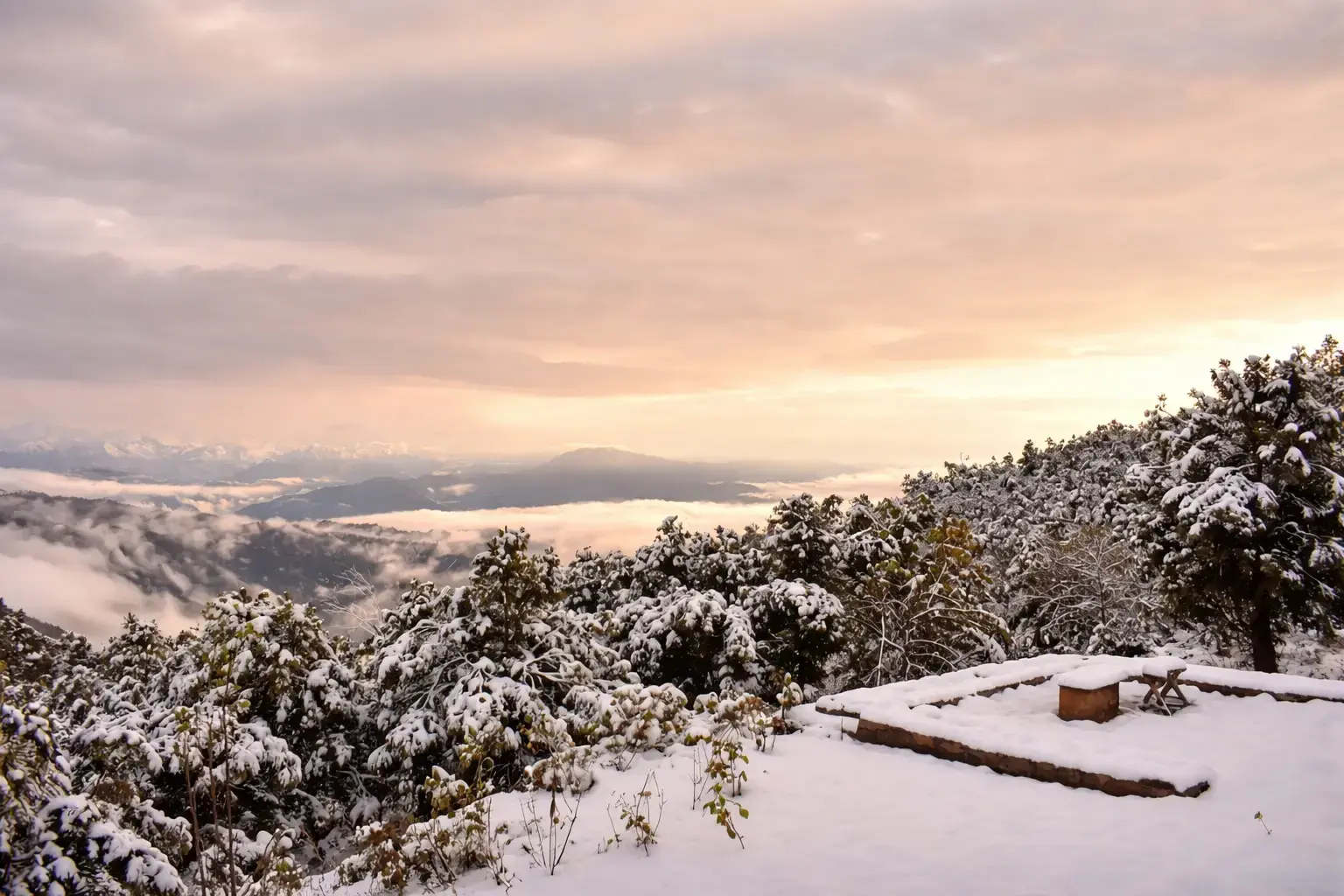

History has a way of hiding in plain sight. In the quiet, mist-laden ridges of Jhaltola, there exists a legacy that once put the Kumaon Himalayas on the global map. Long before the era of modern resorts and trekking trails, these slopes were the home of the legendary Berinag Tea.
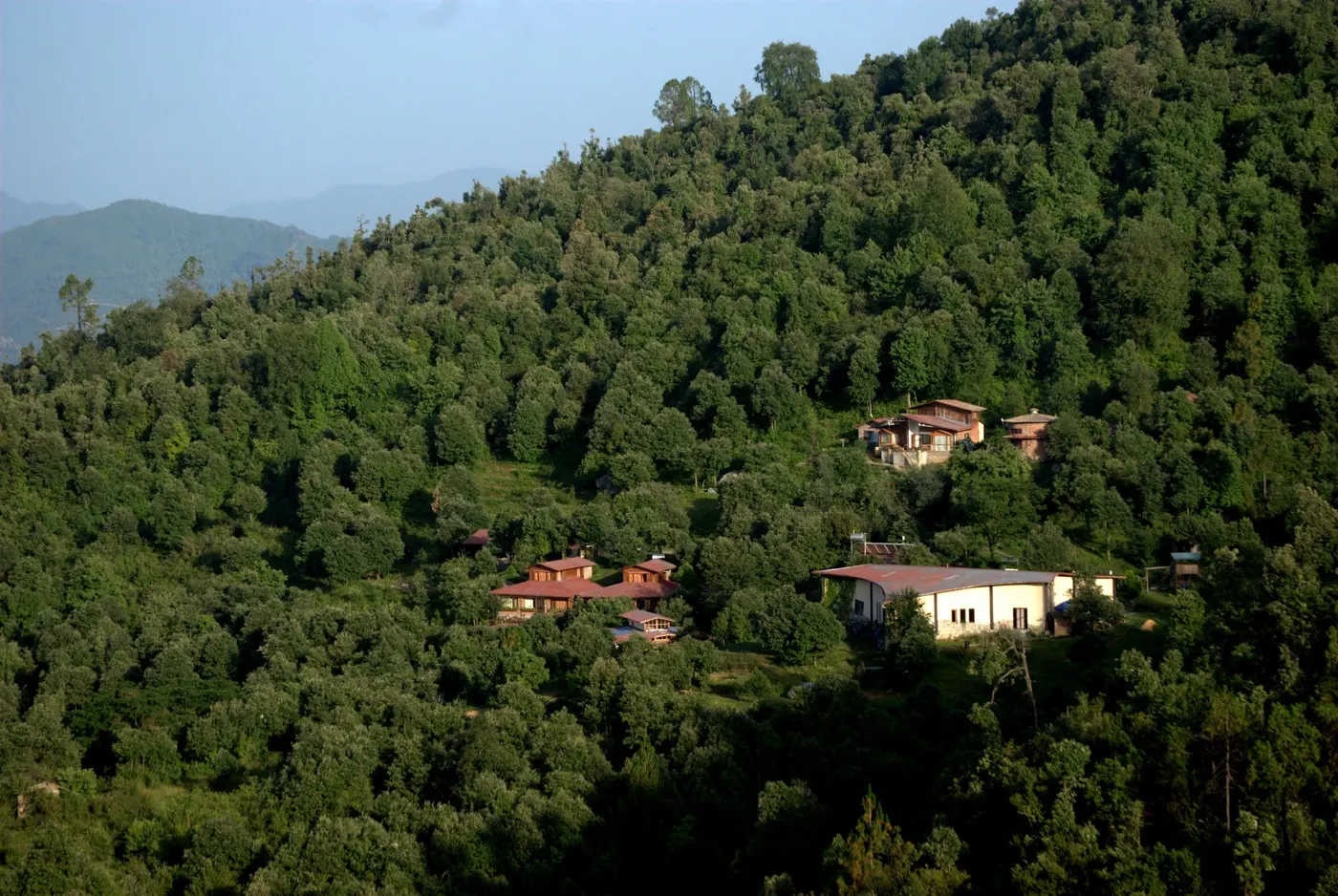
Today, at Misty Mountains Jhaltola, we aren't just custodians of a 1,000-acre forest; we are the guardians of a "ghost estate." This is the story of a lost flavor, a century-old heritage, and the search for the spirit of a tea that once rivaled the finest brews of the world.
Estate Legacy at a Glance: The Berinag Timeline
| Era | Status of the Estate | Key Highlight |
| Late 1800s | Establishment | Discovery of Chinese tea variety seeds in Kumaon. |
| 1900s - 1940s | Golden Age | Berinag Tea becomes famous for its unique nutty flavor. |
| 1960s - 1980s | The Great Silence | Commercial tea production declines; forest begins to reclaim. |
| Present Day | Rewilding | The "Ghost Gardens" now exist within the 1,000-acre Jhaltola forest. |
The Legend of the Chinese Seed: A Himalayan Mystery
The story of the Berinag tea estate is unlike any other in India. During the British Raj, while the massive plantations of Assam and Darjeeling were focusing on the Assamica variety for mass consumption, a small group of visionary planters and local pioneers looked toward the high-altitude ridges of Kumaon.
They discovered that the micro-climate of Jhaltola (7,000 feet) was nearly identical to the high-mountain tea regions of China. Through ancient trade routes via Tibet, rare Chinese variety seeds (Camellia sinensis sinensis) were brought to these ridges. Unlike the bold, bitter tea found elsewhere, the Berinag leaf was delicate, small, and packed with a floral complexity. For decades, the "Berinag Brick Tea" was a staple for traders crossing into Tibet, prized for its ability to provide warmth and clarity in the thin Himalayan air.
The Alchemist’s Soil: A Mineral Masterpiece
What truly made the tea of this estate legendary wasn't just the seed, but the geology of Jhaltola. The soil here is a complex mix of micaceous schist and deep forest humus.
The Mineral Connection
The roots of the century-old tea bushes penetrate deep into the Himalayan bedrock, drawing up minerals that give the leaf its structural strength. When you touch a wild tea leaf in our forest today, you’ll notice it feels thicker and waxier than common tea leaves. This is because the plant has spent a hundred years absorbing the essence of the Kumaon earth. This mineral-rich profile is what gave the original brew its "metallic sweetness"—a flavor profile that modern, fertilizer-fed plantations simply cannot recreate.
Into the "Ghost Gardens": Exploration within the 1,000-Acre Forest
When you walk through the private estate of Misty Mountains today, you are walking through a living museum. As the commercial tea industry shifted toward the plains in the late 20th century, these high-altitude gardens were left to the elements. But nature in Jhaltola doesn't just destroy; it embraces.
The Rewilding of a Heritage
Today, we call them the "Ghost Gardens." These aren't rows of neatly trimmed bushes. Instead, the ancient tea plants have grown into tall, woody shrubs, some reaching the height of small trees. They exist in small, secret clearings deep within the Oak and Rhododendron canopy.
To find them, you must be led by our local naturalists, who know exactly where the forest ends and the legacy begins. Standing amidst these "wild" tea bushes, you can almost hear the echoes of the tea pluckers from a century ago. The way the forest has formed a protective "green shield" around these historical patches is a testament to the resilience of the Kumaon landscape.
The Biodiversity Shield: How Tea Protected the Forest
One of the most fascinating aspects of our "Ghost Gardens" is their role in local conservation. In many parts of Uttarakhand, old estates were cleared for concrete development. However, at Jhaltola, the presence of these tea bushes created a buffer zone that discouraged aggressive deforestation.
A Sanctuary for the Rare
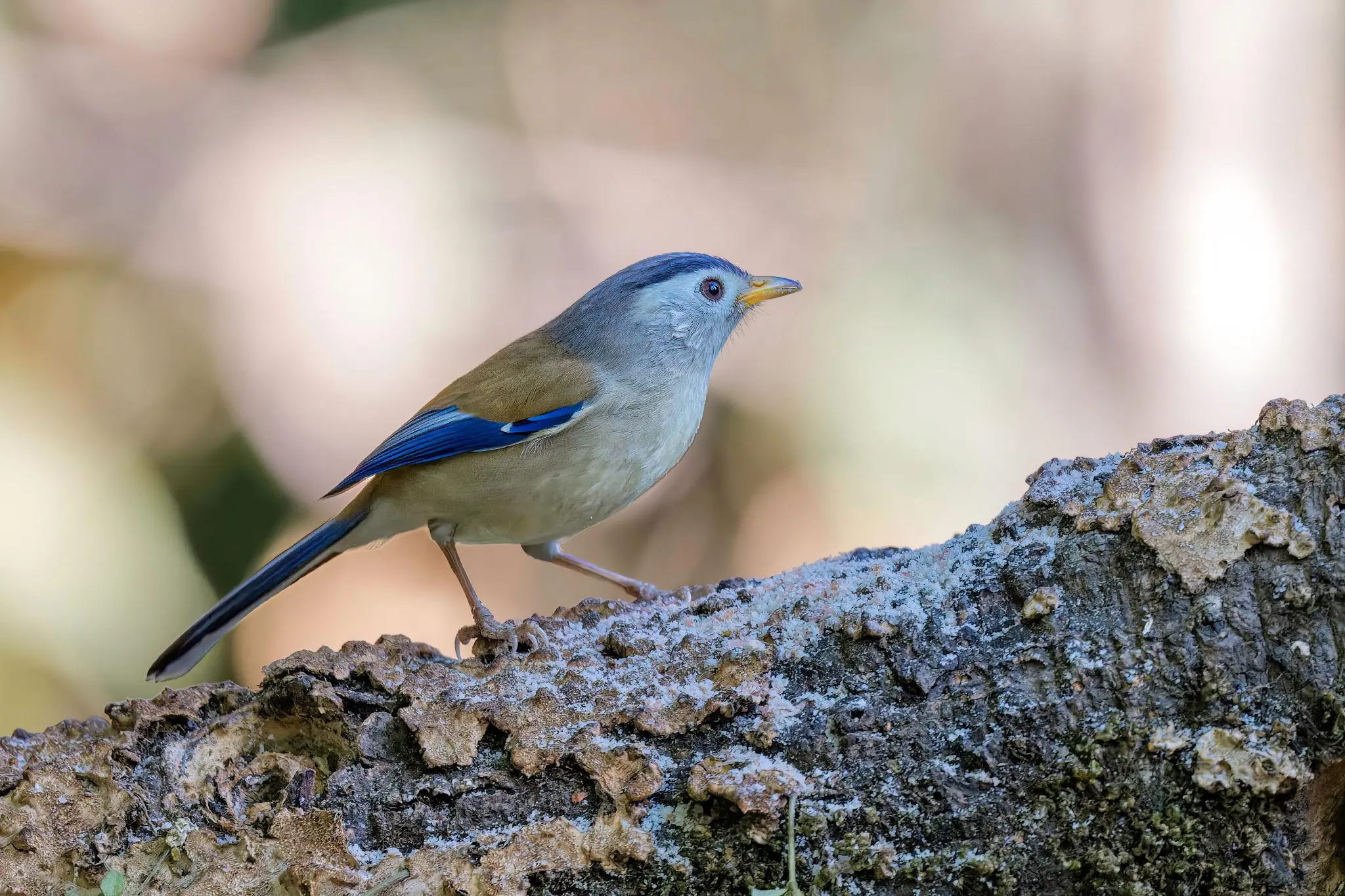
Because the tea plants grow under the canopy of Banj Oak and Rhododendron, they have created a unique multi-layered habitat. Today, this "Ghost Estate" is a preferred hunting ground for the Himalayan Leopard and a nesting site for the Great Hill Barbet. The tea plants provide a low-level cover that protects smaller mammals, while the taller trees offer a vantage point for raptors. By preserving the "Ghost of Berinag," we have inadvertently preserved an entire ecosystem that would have otherwise vanished.
Folklore and the "Tea Spirits": The Human Side of History
Every ancient estate has its stories, and Jhaltola is no different. The local Kumaoni communities have lived alongside these tea bushes for generations. In the villages surrounding the estate, elders still speak of the "Tea Spirits"—the invisible guardians who protected the crop from the frost.
The Echoes of the Pluckers
There was a time when the rhythmic songs of women pluckers would echo across the Jhaltola ridge. They sang of the clouds, of the Nanda Devi peaks, and of the long journeys their tea would take. Today, those songs are gone, replaced by the whistle of the Himalayan Whistling Thrush. But when our guests sit by the bonfire at night, we share these stories, keeping the "human ghost" of the estate alive alongside the botanical one.
The Art of the Himalayan Steep: A Ritual for the Soul
At Misty Mountains, we encourage our guests to treat their tea time as a ritual. To truly honor the "Ghost of Berinag," one must understand how to prepare a high-altitude brew.
Water, Temperature, and Time
The secret starts with the water. The water at Jhaltola is naturally filtered through limestone and quartz, making it "soft" and perfect for extracting delicate tea oils.
-
The Pour: We use water just under boiling point ($90$°C) to ensure the delicate Chinese-variety leaves don't get "scorched."
-
The Steep: A longer, slower steep of $4$ to $5$ minutes allows the earthy, nutty notes to fully develop.
-
The Observation: Notice the liquor color—a pale gold that reflects the Himalayan sunlight. This is not a "quick cup" of tea; it is a conversation with history.
Tea-Era Architecture: Built to Last Centuries
The aesthetic of Misty Mountains Jhaltola is a deliberate homage to the era of the great tea masters. We have meticulously preserved the "Planter's Cottage" vibe across the property.
The Stone and the Mist
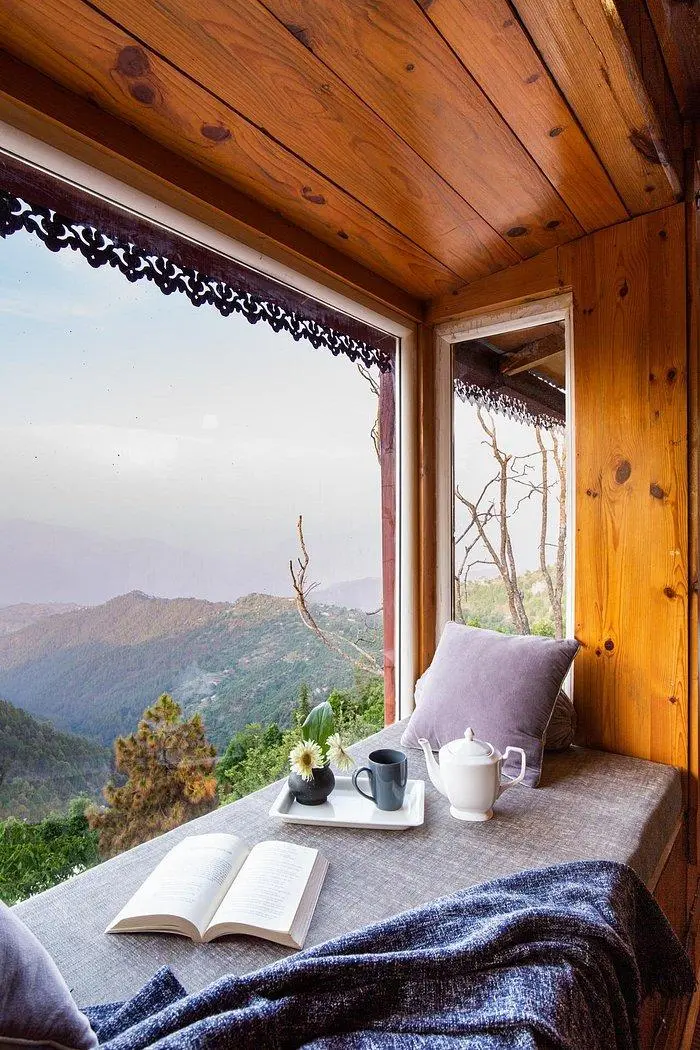
The thick stone walls of our dwellings were designed not just for beauty, but for the same reason the tea plants thrived—to manage the extreme Himalayan thermal shifts. The use of local slate and timber creates an atmosphere where the boundary between the "Old World" and the "New Luxury" blurs. Sitting in these rooms, looking out at the same ridges that once hosted massive tea harvests, gives our guests a sense of continuity that modern concrete hotels can never offer.
The "Oak Humus" Secret: What Made the Flavor Unique?
Many tea experts have tried to decode the exact flavor profile of the original Berinag tea. The secret wasn't just the plant; it was the Oak forest.
The Banj Oak (Quercus leucotrichophora) trees that dominate the Jhaltola estate shed their leaves annually, creating a thick layer of organic mulch known as "Humus." For a century, this Oak-enriched soil provided a specific nutrient profile to the tea roots. This gave the brew an "earthy, nutty, and slightly sweet" note that couldn't be found in Darjeeling or Nilgiri. At Misty Mountains, we preserve every single Oak tree because we know that the health of the "Ghost Gardens" depends entirely on the health of the forest.
The Experience: A "Heritage Tea Walk" for Our Guests
For the modern traveler, "Offbeat" isn't just a location; it’s a narrative. Our Heritage Tea Walk is designed for those who appreciate the poetry of the past. It is not a standard trek; it is a sensory journey.
Searching for the "Mother Bush"
During this guided exploration, guests are taken to the most pristine parts of the estate where the oldest tea bushes still survive. Our naturalists teach you:
-
The Touch: How to feel the difference between the serrated edges of a tea leaf and a wild forest shrub.
-
The Scent: Crushing a wild leaf to release the dormant aroma of a century-old heritage.
-
The Connection: Understanding how the tea industry shaped the economy and culture of Uttarakhand.
From Tea Leaves to Slow Living: The Jhaltola Connection
The disappearance of the commercial Berinag tea industry was a tragedy for the economy, but it was a blessing for the environment. Because the plantations were never "modernized" with chemicals or heavy machinery, the land remained pure.
Today, that purity is the foundation of the Slow Living experience at Misty Mountains. We aren't rushing to produce thousands of tons of tea. Instead, we are offering you a chance to breathe the same air and drink the same crystal-clear mountain water that once nurtured the world's most mysterious tea.
Frequently Asked Questions (FAQs)
Q1: Can we still buy original Berinag Tea today?
A: Pure "Berinag Brick Tea" is now a collector's item and very rare. However, the legacy continues through local small-scale farmers. At Misty Mountains, we can help you find authentic Himalayan blends that carry the spirit of the original leaf.
Q2: Is the Heritage Tea Walk suitable for senior citizens?
A: Yes. We have multiple trails. While some go deep into the ravines, others are gentle walks through the higher ridges of the estate, making it accessible for everyone.
Q3: How has the forest changed since the tea days?
A: The forest has become much denser. Large Oak and Rhododendron trees have reclaimed the spaces between the tea rows, creating a unique "Agro-Forest" environment where wildlife like Leopards and Barking Deer now roam freely.
Conclusion: More Than a Resort, a Living Legacy
Choosing to stay at Misty Mountains Jhaltola means choosing to become a part of this story. You aren't just a guest; you are an explorer. In the search for the "Ghost of Berinag Tea," you might find something even more valuable: a connection to a time when life moved slower, the air was purer, and every cup of tea told a story of the mountains.
The tea factory may be silent, and the pluckers' songs may have faded, but the soul of Berinag still lives in the rustle of the leaves and the mist of the Jhaltola ridge.
Come, walk the forgotten trails. Discover the lost flavors. Experience the soul of Kumaon.