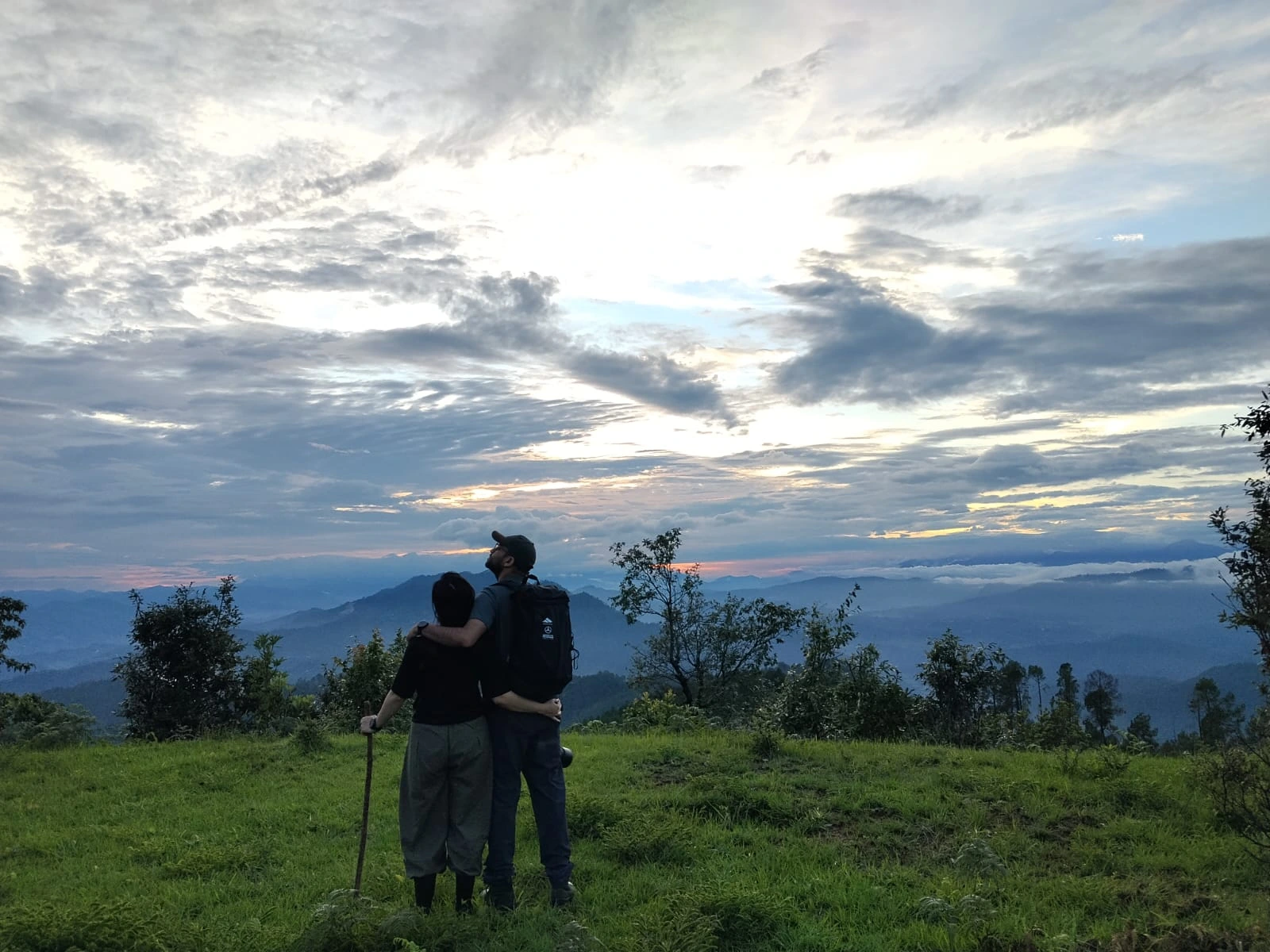
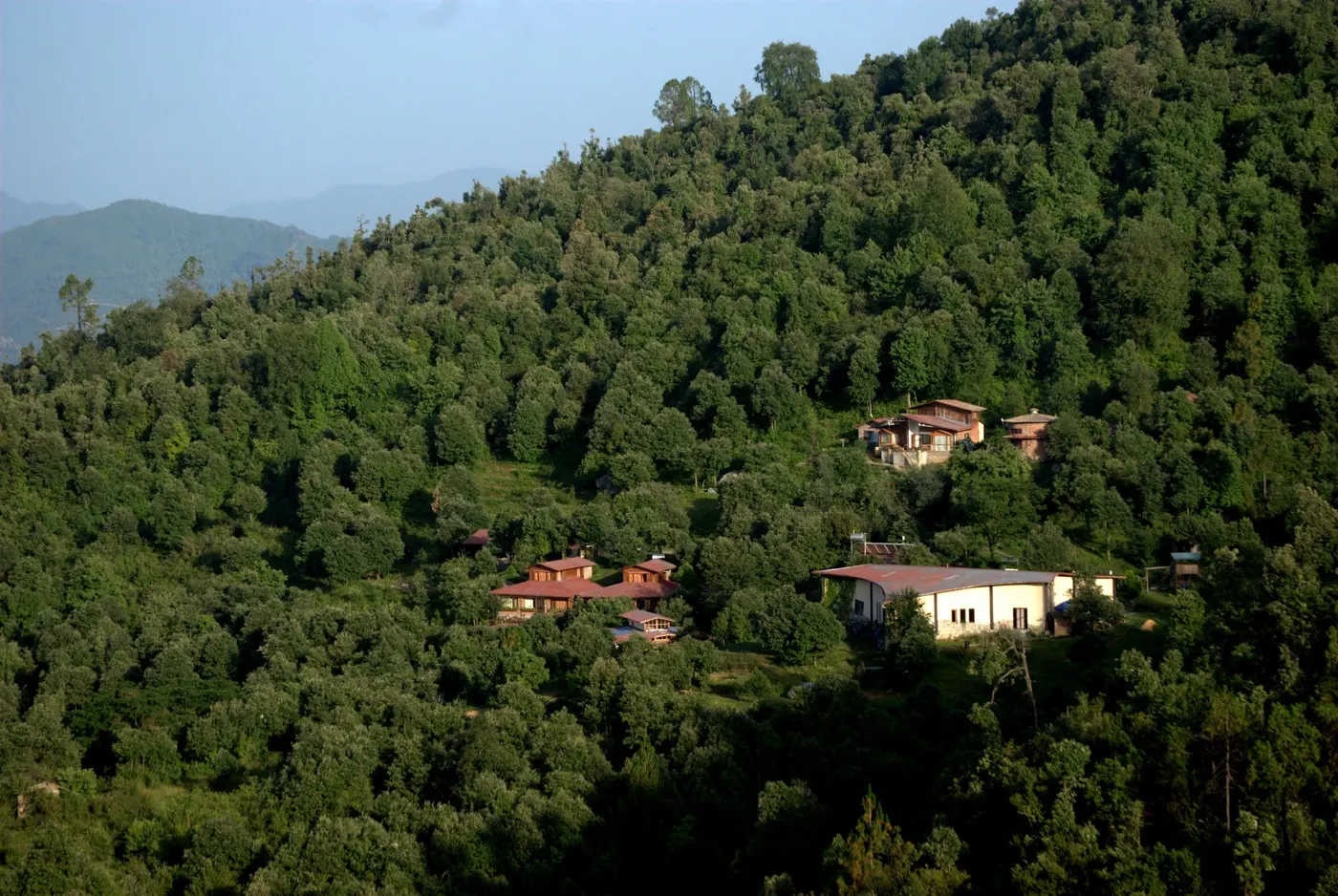

At Misty Mountains Jhaltola, located in the serene Pithoragarh district of Uttarakhand, the arrival of the monsoon is not merely a seasonal transition; it is the arrival of a silent, powerful mentor for the creative soul. As the massive, grey-bellied clouds roll over the Shivalik ranges and settle into our 7,000-foot high ridge, the entire Kumaoni landscape transforms into a living, breathing canvas of ink and water. For a writer, this atmospheric shift is the ultimate signal to put pen to paper or fingers to the keyboard.
There is a specific, almost primordial magic in the combination of a tin roof and the drifting mountain mist. While the urban world often views the rainy season as a logistical hurdle or a cause for traffic, here at Jhaltola, we view it as a cognitive catalyst—a "Monsoon Muse" that has the power to unlock levels of creativity that remain dormant during the bright, dry months. In this comprehensive exploration, we dive deep into the science, the soul, and the sheer evocative power of the Himalayan monsoon.
The Percussion of Peace: The Deep Science of Rain on Tin Roofs
The sound of rain is universal, but the sound of rain on a metal surface is a very specific acoustic experience. If you interview any novelist, poet, or screenwriter who has spent time at Misty Mountains Jhaltola, they will tell you that the rhythmic drumming on the roof was their favorite "work soundtrack".
The Power of Pink Noise and Neural Synchronization
Scientifically, the sound of rain falling on a tin roof is a form of "Pink Noise". Unlike white noise, which has equal power across all frequencies, pink noise has more energy at lower frequencies. This specific frequency spectrum mirrors the internal electrical rhythms of the human brain during states of deep relaxation and meditation. When you sit inside a cottage at Jhaltola, the steady, predictable beat of the rain acts as a sensory "anchor." It effectively masks all chaotic external sounds—the hum of a machine, distant conversations, or the intrusive buzz of digital notifications—allowing the writer’s mind to descend into a state of "Hyper-focus".
Acoustic Consistency as a Tool for "Deep Work"
Writer Cal Newport’s concept of "Deep Work" requires an environment free from cognitive friction. The tin roofs at our estate provide an acoustic consistency that is nearly impossible to find in a city. Because the sound is relentless and rhythmic, your brain eventually "stops" processing it as an external stimulus and begins to treat it as a supportive background hum. This is the moment when the "inner critic" falls silent and the narrative voice takes over.
The Jhaltola Micro-Climate: Why Our Rain is Geographically Unique
The Himalayas are vast, but every ridge has its own personality. The micro-climate of Jhaltola is a rare gift for those seeking solitude and creative flow.
The Symbiosis of Oak Forests and Living Mist
Our estate is surrounded by a massive, 1,000-acre forest of ancient Banj (Oak) trees. These trees play a vital role in the monsoon experience. They capture the moisture from the passing clouds and release it slowly back into the air. This results in a "Living Mist"—a fog that feels cool and refreshing rather than damp and heavy. For a writer sitting on their balcony, this mist provides a physical cooling effect that calms the nervous system. There is something deeply grounding about seeing the mist wrap around an old Oak tree while you draft a difficult scene.
The Phenomenon of Vertical Rain
Due to the unique topography of our ridge in Pithoragarh, the rain here often falls vertically rather than being whipped sideways by harsh winds. This verticality is key to the writing experience. It ensures that the sound on the tin roof remains steady and melodic, rather than erratic. It creates a sense of being inside a "Sound Cocoon," where the only thing that matters is the rhythm of the rain and the rhythm of your thoughts.
The Mist as a Canvas: The Creative Power of Visual Isolation
While clear views of the Trishul and Nanda Devi peaks are breathtaking, the Rain Mist—which often veils these giants—is actually a superior tool for the working writer.
The Cocoon Effect: Shrinking the World to the Size of a Desk
When the mist rolls in, your horizon is no longer 100 miles away; it shrinks to just a few feet. This "visual obstruction" is incredibly liberating. By removing the grand distractions of the vast landscape, the mist forces your attention inward. In this white, silent void, your characters, plots, and ideas become more vivid because they are the only things left to "see." It is a forced form of mindfulness that writers often struggle to achieve in open, busy environments.
The Aesthetic of Mystery and "Yugen"
In the Japanese aesthetic tradition, Yugen describes the beauty of things that are partially hidden. The sight of a Rhododendron tree appearing and disappearing through the mountain mist at Jhaltola is the physical embodiment of Yugen. For a writer, this atmosphere suggests that there is always more to the story than what meets the eye, encouraging a deeper level of subtext and mystery in their work.
Monsoon Gastronomy: The Culinary Fuel for Creativity
Creative work is physically demanding, especially in the cold, damp air of the Kumaon monsoon. At Misty Mountains Jhaltola, we believe the right food is essential for sustaining a long writing session.
The Ritual of Adrak Chai and Pahadi Pakoras
There is no better companion for a rainy afternoon than a hot cup of local Adrak (Ginger) Chai and a plate of freshly fried Pahadi Palak Pakoras. These aren't just snacks; they are sensory triggers. The warmth of the tea and the spicy crunch of the pakoras provide a perfect contrast to the cool mist outside, effectively "waking up" the brain's reward centers and providing a second wind for your work.
Grounding Meals: Bhatt ki Churkani and Madua
For dinner, we serve traditional Kumaoni soul food like Bhatt ki Churkani (black bean stew) and Madua (ragi) rotis. These are slow-burning carbohydrates and high-protein meals that provide steady energy. Unlike heavy, greasy food that can cause a "slump," this local diet keeps the writer alert and grounded, ready for an evening of reflection by the fireplace.
The Biological "Reset": Why the Brain Prefers Rainy Hills
The monsoon at 7,000 feet actually changes your body chemistry in ways that favor creative thought.
Negative Ions and Emotional Clarity
The action of rain crashing onto the forest floor and the tin roofs generates an abundance of Negative Ions. When these are inhaled in a high-altitude forest like Jhaltola, they trigger a biochemical reaction that increases serotonin levels. This helps combat "Writer’s Block" caused by stress or anxiety, providing a natural sense of joy and mental clarity that is hard to replicate elsewhere.
The Freshness of "Geosmin"
After a heavy downpour, the earth releases a scent called Geosmin (the smell of wet earth). This scent is one of the most powerful olfactory triggers for memory and nostalgia. For writers working on memoirs or personal essays, the scent of the Jhaltola soil after a rain can unlock forgotten details and emotions, acting as a bridge to the past.
Designing Your Writing Retreat at Misty Mountains Jhaltola
If you are planning a professional writing retreat, Jhaltola offers the perfect balance of solitude and support.
-
Morning Mist Session: Use the early morning hours, when the mist is thickest, for "Free Writing" or drafting new material. The silence of the forest is absolute during this time.
-
Afternoon Sound Sprint: When the heavy rain starts hitting the tin roof, use that rhythmic energy for "Deep Work" sessions—character development or complex plotting.
-
Evening Reflection: As the rain turns to a drizzle, sit by our stone fireplace with a glass of local juice or tea to review your day’s work.
Frequently Asked Questions (FAQs)
Q1: Is Jhaltola accessible during the peak monsoon months of July and August? A: Yes, Jhaltola is accessible. While the Kumaon region sees heavy rain, our ridge-top location in Pithoragarh is stable, and we provide constant updates to guests on the safest routes from Kathgodam or Almora.
Q2: Will the dampness affect my electronic equipment? A: We provide dry, well-ventilated cottages with fireplaces that help maintain a comfortable indoor temperature and protect your gear.
Q3: Can I find silence here? A: Silence is our greatest luxury. With a 1,000-acre private estate buffer, the only sounds you will hear are the rain, the wind, and the birds.
Conclusion: Find Your Voice in the Rain
The Monsoon Muse at Misty Mountains Jhaltola is not just a poetic concept; it is a transformative experience. The combination of scientific "Pink Noise," visual isolation provided by the mist, and the nourishing local culture of Pithoragarh creates an environment where creativity is not forced, but inevitable.
Whether you are finishing a novel or just starting a journal, the rain on our tin roofs will give you the rhythm you need to find your voice.
Location:
Misty Mountains Jhaltola,
Via Berinag, District Pithoragarh,
Uttarakhand, India.