Have you ever walked into a forest and felt like the trees were whispering secrets? At Misty Mountains, Jhaltola, the forest doesn't just whisper; it teaches. Sprawling across a massive 1000-acre private estate in the heart of the Kumaon Himalayas, our property serves as a "Living Classroom." Here, the walls are made of ancient Oak and Rhododendron, and the music is composed by over 150 species of Himalayan birds.
In this deep dive, we explore why Jhaltola is the ultimate destination for nature enthusiasts, researchers, and anyone looking to reconnect with the Earth through the art of Slow Travel.
1. The Geography of a Sanctuary: Why Jhaltola is Unique
Located at an altitude of approximately 2,100 meters (reaching up to 2,700 meters at the Lamkeshwar summit), the Jhaltola estate is a rare pocket of undisturbed biodiversity. Unlike the crowded hill stations of Nainital or Mussoorie, Jhaltola remains a pristine "Soul Sanctuary."
The estate acts as a bridge between the lower Himalayan foothills and the high-altitude alpine zones. This unique positioning makes it a hotspot for Himalayan Flora and Fauna. When you stay at Misty Mountains, you aren't just visiting a resort; you are inhabiting a protected ecosystem.
The Power of 1000 Acres
Most resorts offer a view of the forest. We offer the forest itself. 1000 acres is roughly the size of 750 football fields. This vastness ensures that the wildlife—leopards, barking deer, and mountain goats—can roam freely, allowing guests to witness nature in its most authentic form.
2. Eco-Therapy: The Science of Forest Bathing (Shinrin-Yoku)
One of the premium experiences we offer at Jhaltola is the opportunity for Forest Bathing. Originating from Japan as Shinrin-yoku, this practice isn't about exercise; it’s about taking in the forest atmosphere through all your senses.
Why Jhaltola is the Perfect Lab for Healing
Scientific studies show that trees emit organic compounds called phytoncides, which help reduce stress hormones in humans. In our 1000-acre classroom, you are surrounded by ancient Oaks that have been purifying the air for centuries.
-
Sensory Engagement: We encourage guests to touch the damp moss, listen to the rustle of dry leaves, and breathe in the scent of rain on Himalayan soil.
-
Digital Detox: By removing the distraction of televisions and high-speed notifications, we allow your nervous system to recalibrate to the frequency of the mountains.
3. The Avian Orchestra: A Birdwatcher’s Paradise in Uttarakhand
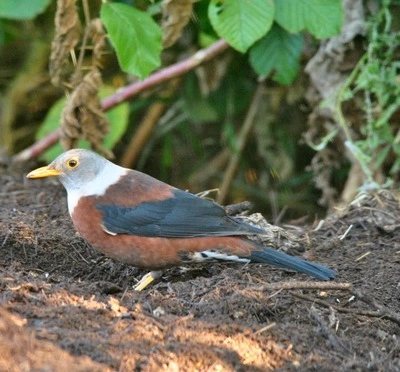
For birding enthusiasts, Jhaltola is legendary. The mix of dense canopy and open glades attracts both resident and migratory birds.
Resident Stars of Jhaltola
-
The Great Barbet: Known for its iconic, haunting call that echoes through the valley. Spotting its colorful plumage amidst the green leaves is a favorite pastime for our guests.
-
The Blue Whistling Thrush: Often found near the natural springs of the estate, its melodious whistle is the first thing you’ll hear at dawn.
-
The Himalayan Monal: Occasionally spotted in the higher reaches near the Lamkeshwar temple, the Monal is a riot of metallic colors and a dream for any wildlife photographer.
Why the "Living Classroom" Matters for Birders
In our classroom, we don't just identify birds; we observe their behavior. You can watch the Streaked Laughingthrush forage in the undergrowth or see the Lammergeier (Bearded Vulture) soaring majestically over the 300-km wide Himalayan panorama.
4. The Flora: More Than Just Greenery
The botanical diversity of Jhaltola is a lesson in resilience and adaptation. The forest is dominated by three main types of trees, each playing a vital role in the Kumaon ecosystem.
The Sacred Oak (Banj)
The Oak trees of Jhaltola are the silent guardians of the mountains. They are "water-giving" trees. Their roots hold the soil firm against Himalayan rains and replenish the underground springs that provide our guests with pure, sweet mountain water.
The Rhododendron (Buransh) - The Flame of the Forest
If you visit us in March or April, the forest turns crimson. The Rhododendron Arboreum is the state tree of Uttarakhand, and at Jhaltola, it grows in abundance.
-
Medicinal Properties: We teach our guests about the health benefits of Buransh. From heart health to its rich antioxidant profile, the refreshing Rhododendron juice served at our retreat is more than just a drink—it’s Himalayan medicine.
Lichens and Moss: The Oxygen Meter
Look closely at the bark of the trees at Misty Mountains. You will see hanging "Old Man’s Beard" (Usnea) and vibrant green moss. These are bio-indicators of air purity. Their abundance at Jhaltola is proof that you are breathing some of the cleanest air on the planet.
5. Capturing the Wild: A Guide for Wildlife Photographers
Jhaltola offers a "vertical landscape" that is a dream for photographers. Whether you are using a macro lens for Himalayan wildflowers or a telephoto lens for the Golden Eagle, the opportunities are endless.
Lighting the Himalayas
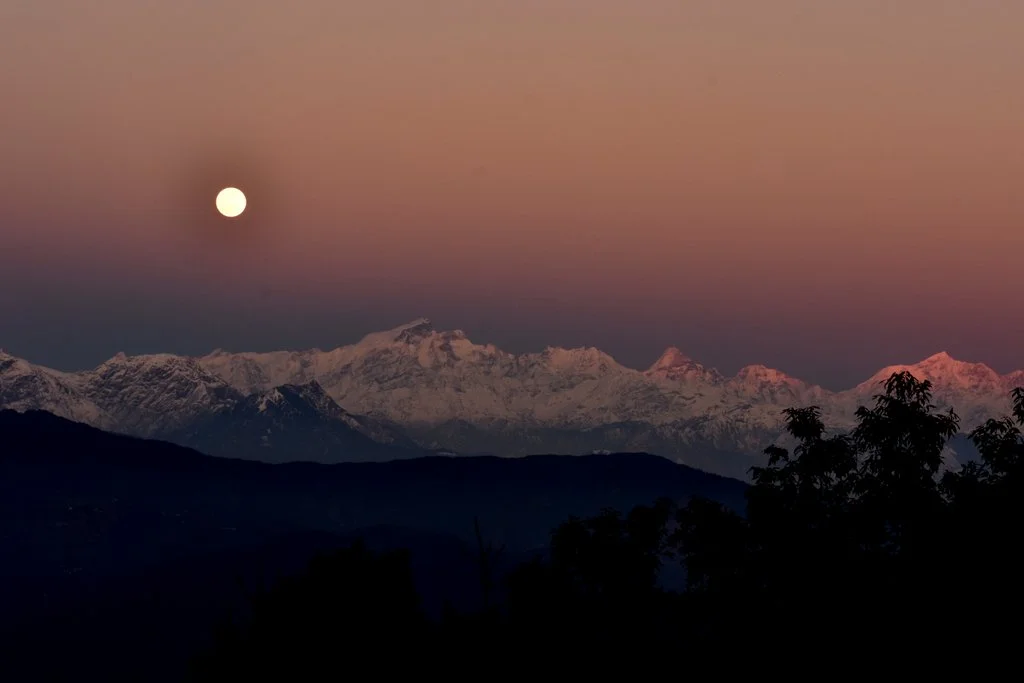
The "Golden Hour" at Jhaltola is unlike anywhere else. As the sun sets behind the Nanda Devi and Trishul peaks, the 300-km wide range turns a fiery orange. Photographers can capture the silhouette of the Oak canopy against this majestic backdrop.
-
Pro Tip: Visit during the post-monsoon months (October-November) for the sharpest air clarity and the most vivid sky colors.
6. The "Experience" Page Come to Life: Activities in the Classroom
Our website's Experience Page isn't just a list; it’s a syllabus for your stay.
The Guided Nature Walk
Led by local experts who know every trail and bird call, these walks are educational. You’ll learn to identify animal tracks (pugmarks), understand the "alarm calls" of the forest, and discover hidden medicinal herbs used by the Kumaoni people for centuries.
The Night Forest Walk: Nocturnal Lessons
When the sun sets, a different class begins. Equipped with torches and accompanied by our experienced staff, guests can explore the forest at night. This is when the flying squirrels come out, and the "nightjars" start their rhythmic calling. It’s an exercise in sensory awareness—learning to see with your ears.
7. Sustainable Architecture: Living in Harmony with Nature
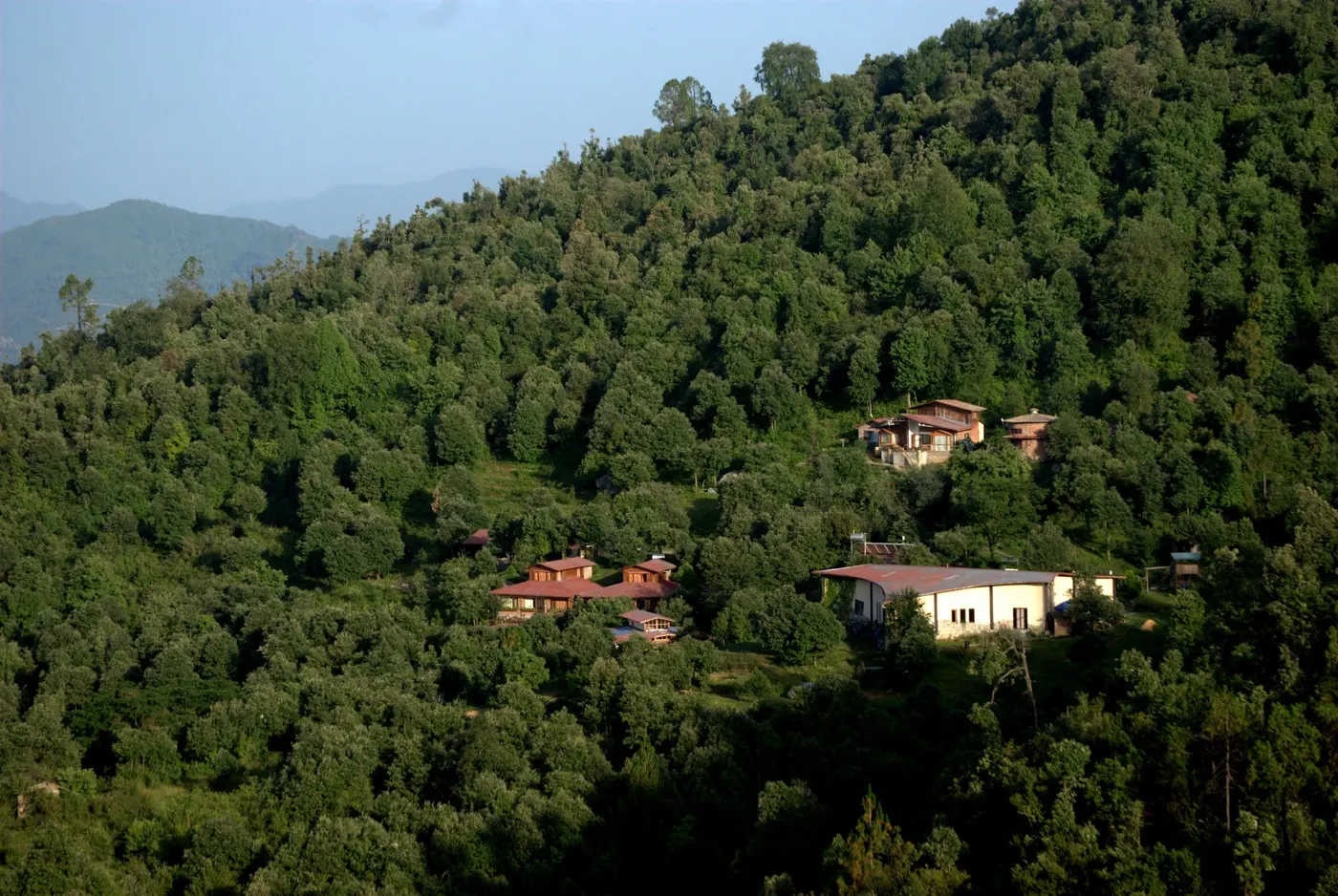
Part of the learning in our Living Classroom is observing how humans can coexist with nature. The cottages at Misty Mountains use traditional Kumaoni stone-and-wood aesthetics.
-
Thermal Efficiency: Our rooms are designed to stay warm in the biting Himalayan winters and cool during the temperate summers without the need for heavy air conditioning.
-
Minimal Footprint: Every structure on the 1000-acre estate has been built to ensure minimal disruption to the existing tree lines. We didn't clear the forest to build the resort; we built the resort inside the forest.
8. Integrating "Slow Travel" and Sustainability
The Living Classroom teaches us one vital lesson: Nature does not hurry, yet everything is accomplished. At Misty Mountains, we encourage Slow Travel. This means staying longer, walking more, and driving less. By spending 4-5 days in Jhaltola, you begin to sync your rhythm with the forest.
Community Engagement: The Avani Connection
Our classroom extends beyond our borders. We encourage guests to visit Avani, a nearby community project dedicated to natural dyes and solar energy. This teaches the final lesson of the classroom: that true luxury lies in sustainability and community empowerment.
9. Planning Your Visit: Seasons of the Classroom
To fully experience the birdwatching and flora of Jhaltola, timing is key:
-
Spring (March-May): Best for Rhododendrons and migratory birds.
-
Autumn (October-November): Best for crystal clear views of the 300-km Himalayan range.
-
Winter (December-February): Best for seeing the forest under a blanket of snow—a silent, white classroom.
Conclusion: Why Jhaltola Changes You
When you leave Misty Mountains, Jhaltola, you don't just take back photos; you take back a piece of the forest's wisdom. You learn that a 1000-acre estate isn't just land—it's a living, breathing entity that deserves our protection and respect.
Whether you are a serious birder looking for that elusive species or a family wanting to show your children where oxygen comes from, the Living Classroom of Jhaltola is open for enrollment.
Ready to book your desk in the woods? Explore our Experience Page to learn more about our forest trails, or Contact Us to plan your soul sanctuary retreat.