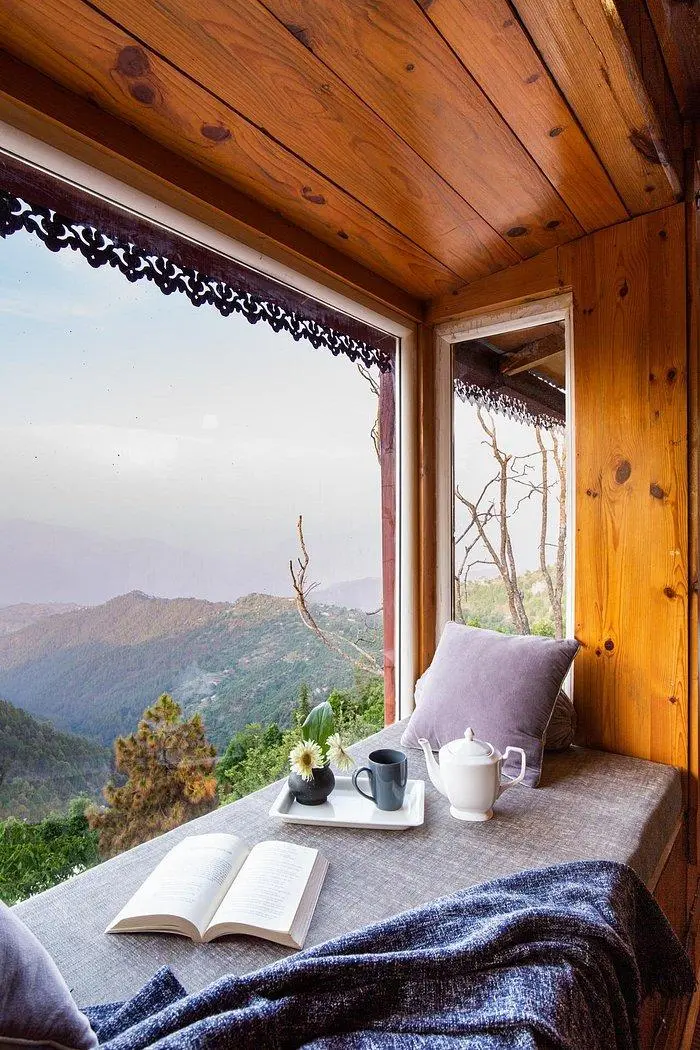
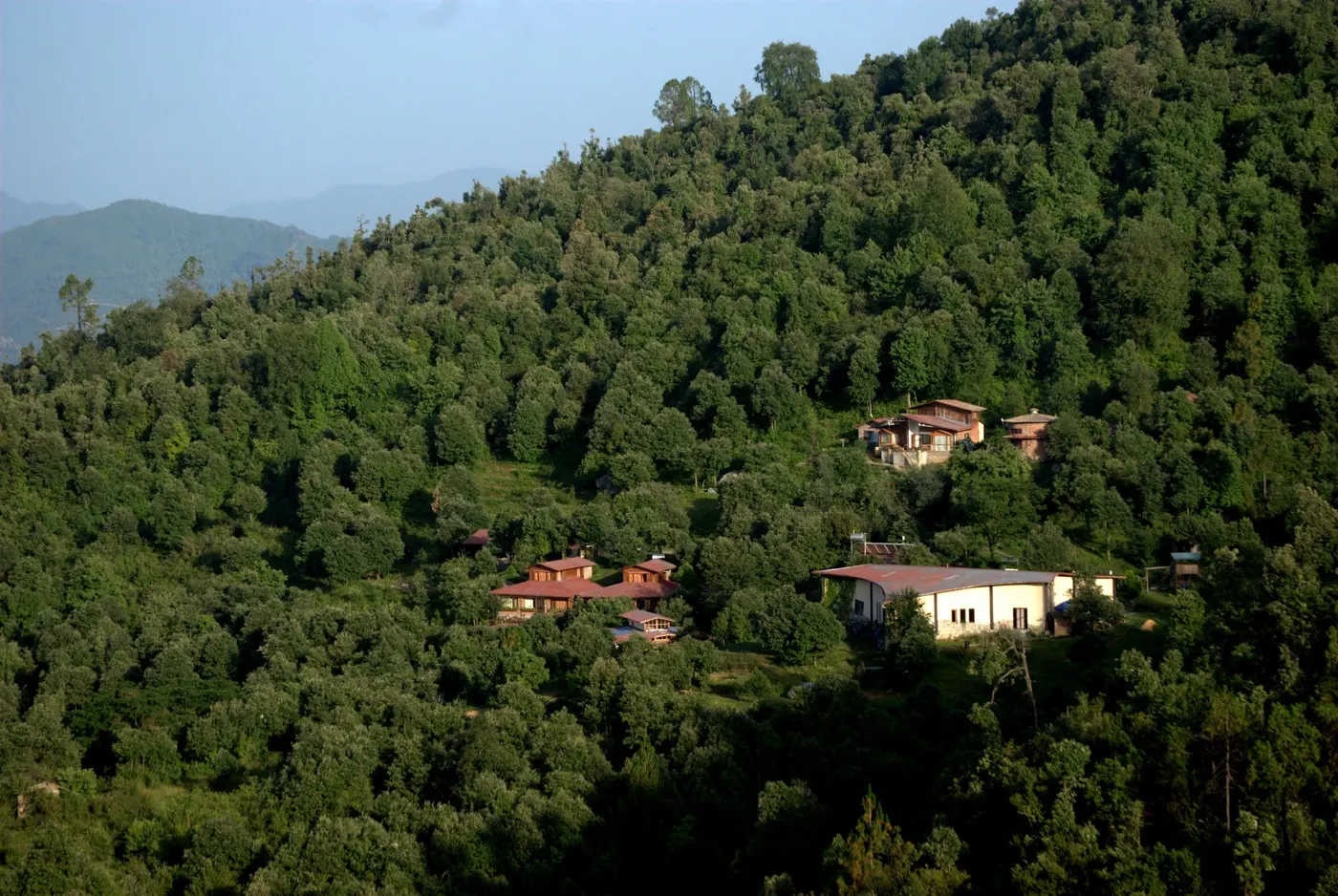

Walk into any five-star hotel in a metropolitan city, and you will be greeted with a rehearsed smile, a standard "Namaste," and a service manual that has been perfected in a classroom. But walk into Misty Mountains Jhaltola, and you will experience something that no textbook in Switzerland or London can teach.
Here, hospitality isn’t a department; it’s a way of life. In the high ridges of Kumaon, welcoming a guest is a sacred ritual that has been passed down through generations. It is an instinct, not a job description. This is why Pahari Hospitality is a world apart—it is the art of giving without an invoice, and a warmth that comes from the heart, not a training module.
Hospitality Comparison: The School vs. The Soul
| Feature | Modern Hotel School Training | Pahari Hospitality (Jhaltola) |
| The Smile | Rehearsed for "Brand Standards" | Genuine, reflecting a shared humanity |
| The Service | Transactional & Efficiency-based | Relational & Connection-based |
| Problem Solving | Follows the "SOP" (Standard Operating Procedure) | Handled with "Apnapan" (Personal touch) |
| The Food | Measured by calories and plating | Served with "Mamta" (Motherly love) |
| Guest View | A "Client" or "Booking ID" | An extension of the family |
The Philosophy of "Apnapan": Beyond Professionalism
In a hotel school, students are taught "Customer Relationship Management." In the mountains, we call it Apnapan.
The Ancestral Root of Kumaoni Welcome
For a Kumaoni, a guest is a traveler who has crossed difficult terrain to reach their doorstep. Historically, because the mountains were harsh and travel was slow, welcoming someone meant ensuring their survival. In the old days, there were no hotels, only homes. Every house was an inn, and every meal was shared.
At Misty Mountains, our team consists of locals who have grown up with these values. When they ask if you slept well, they aren't completing a checklist; they are genuinely concerned about your well-being. This deep-rooted empathy is something a classroom can mimic with "soft skills" training, but it can never truly create from scratch.
The Science of Mountain Empathy: Why it Feels Different
There is a psychological depth to why guests feel more "restored" at Jhaltola than in a luxury city hotel. Professional hospitality is often high-pressure and high-speed, which can subtly trigger a guest's stress response.
The "Slow Service" Advantage
Pahari hospitality operates on "Natural Time." Our staff doesn't rush because they are synchronized with the mountain's rhythm. This "Slow Service" actually helps guests lower their cortisol levels. When a staff member sits with you to explain the history of a peak or offers you a second helping of Sana Hua Nimbu with genuine joy, it creates a "Safe Space." This emotional safety is the ultimate luxury that city hotels try to buy with expensive decor, but we provide it through human connection.
Pahari Resilience vs. Corporate SOPs: The Unwritten Rulebook
Standard Operating Procedures (SOPs) are designed to make service predictable. But in the unpredictable terrain of the Himalayas, SOPs often fail.
Mastery Over Crisis
If a sudden mist blocks the trail or a guest arrives late in the night during a thunderstorm, a city-trained professional might look for a "Manual." A Pahari staff member relies on Himalayan Resilience. They have been raised in a landscape that demands quick thinking. This ability to adapt—whether it’s fixing a technical glitch in the middle of a storm or arranging a traditional healing tea for a guest with a cold—is a masterclass in crisis management. This isn't taught in an MBA; it's taught by the mountains.
The "Hearth" of the Home: Why Kitchen Service is Different Here
Professional chefs are taught to focus on consistency and presentation. While we value quality, our Pahari kitchen prioritizes "Bhaav" (the intention behind the food).
The Language of Traditional Flavors
Our team knows exactly which herb will soothe a tired traveler's stomach. This knowledge isn't from a culinary degree; it’s from watching their grandmothers cook by the wood-fire.
-
The Personal Touch: You won't just find a buffet; you'll find a staff member explaining why Mandua (Ragi) is the best grain for high-altitude energy.
-
Nutritional Wisdom: Every meal is designed to be a balance of "Garm" (Warm) and "Thanda" (Cool) elements, ensuring the guest's health is maintained during their stay.
Traditional Architecture vs. Modern Lobbies: Space that Breathes
The physical environment plays a huge role in hospitality. Modern hotels have "Lobbies" designed to look grand but feel anonymous.
The "Aangan" Culture
In Kumaoni architecture, the Aangan (Courtyard) is the heart of the home. At Misty Mountains, we have preserved this communal feeling. Our spaces are designed to encourage interaction. You don't "check-in" at a cold marble desk; you are welcomed into a living space. This design removes the "Service Hierarchy." In a hotel school, the barrier between staff and guest is strictly maintained. Here, that barrier is dissolved by the very design of our property.
The Ritual of the Evening Bonfire: The Ultimate Communal Service
In a typical luxury resort, the evening ends in a private bar. At Misty Mountains, the evening revolves around the Bonfire.
The Art of Oral History
Around the bonfire, our staff becomes storytellers. They share legends of the Nanda Devi, stories of leopard sightings, and the history of the Kumaon Regiment. This communal sharing of life stories creates a bond that transforms a "Customer" into a "Friend." This is where the magic happens—where the guest stops feeling like a tourist and starts feeling like an insider. No hotel school can teach a waiter how to tell a story that makes a guest's eyes light up with wonder.
The Unspoken Code of the Hills: Integrity over Incentives
In the corporate world, hospitality is often driven by tips and "Employee of the Month" incentives. In the hills, it is driven by Izzat (Honor).
A Culture of Trust
A Pahari's word is their bond. If they promise to wake you up for the $5$ AM sunrise view of the Himalayas, they will be there, even if the temperature is sub-zero. This integrity comes from a small-community culture where your reputation is everything. This level of dedication is impossible to "enforce" through corporate policy; it must be part of a person's character.
Sustaining the Village: The Community Loop
True Pahari hospitality is about the entire village. When you stay with us, you are supporting a whole ecosystem.
-
The Local Farmer: The organic vegetables in your lunch are from a neighbor’s terrace farm.
-
The Storyteller: The guide who takes you on a trek is a local boy who knows the folklore of every cave.
-
The Artisan: The stone and wood you see in our architecture are the work of local hands.
This community-driven model ensures that the hospitality you receive is Authentic. It isn't a "staged" experience; it is a slice of a living, breathing Kumaoni culture.
The "Atithi Devo Bhava" Reality
While every tourism board uses the slogan "Atithi Devo Bhava" (The Guest is God), in the Kumaon Himalayas, it is a living reality.
Ownership and Pride
In the city, if a guest is unhappy, it’s a "Bad Review." In Jhaltola, if a guest is unhappy, it’s a "Personal Shame" for the staff. This sense of ownership is what makes our service so intimate. Our staff members often share stories about their families, creating a level of vulnerability and openness that is strictly discouraged in formal hotel schools.
Frequently Asked Questions (FAQs)
Q1: Is the service at Misty Mountains as efficient as a city hotel?
A: We prioritize "Effective Hospitality" over "Fast Hospitality." While your needs are met promptly, we encourage a pace that allows you to actually enjoy the moment.
Q2: What should I expect from the "Personal Touch"?
A: Expect things like a handwritten note, a hot water bottle in your bed on a cold night, or a customized herbal tea if you have a cough. These are gestures of care, not standard items.
Q3: Does the staff understand modern guest needs?
A: Absolutely. Our team blends traditional values with modern professionalism, ensuring you have everything you need while maintaining the soul of the mountain.
Conclusion: The Unforgettable Warmth of the Ridge
In the end, you won't remember the thread count of your sheets or the brand of the toiletries. What you will remember is the way you felt when you were greeted with a genuine smile after a long drive. You will remember the taste of the Bhang ki Chutney served by someone who treated you like family.
Pahari Hospitality is a reminder that in an increasingly digital and automated world, human connection is the ultimate luxury.