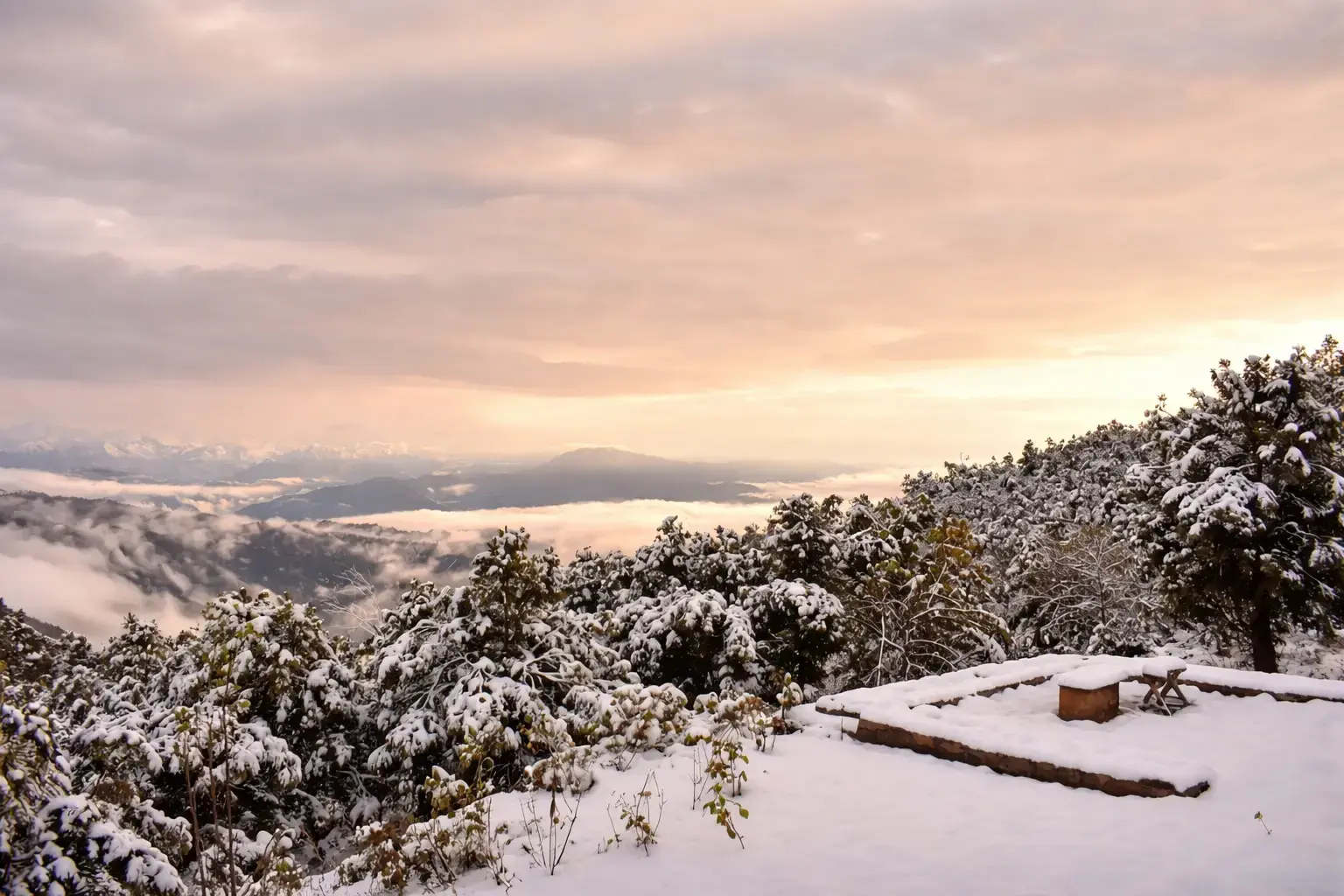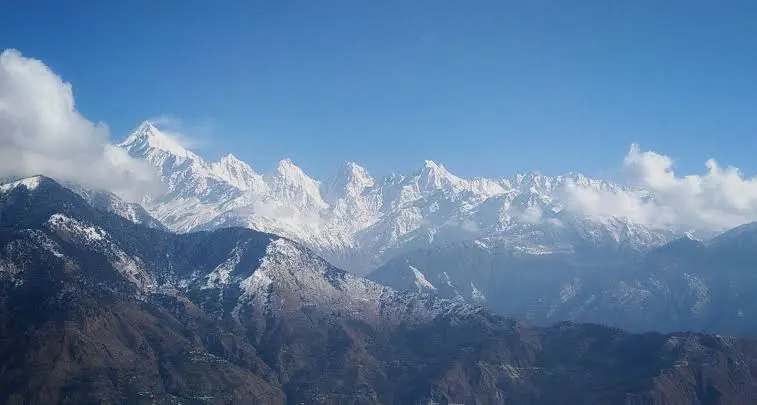
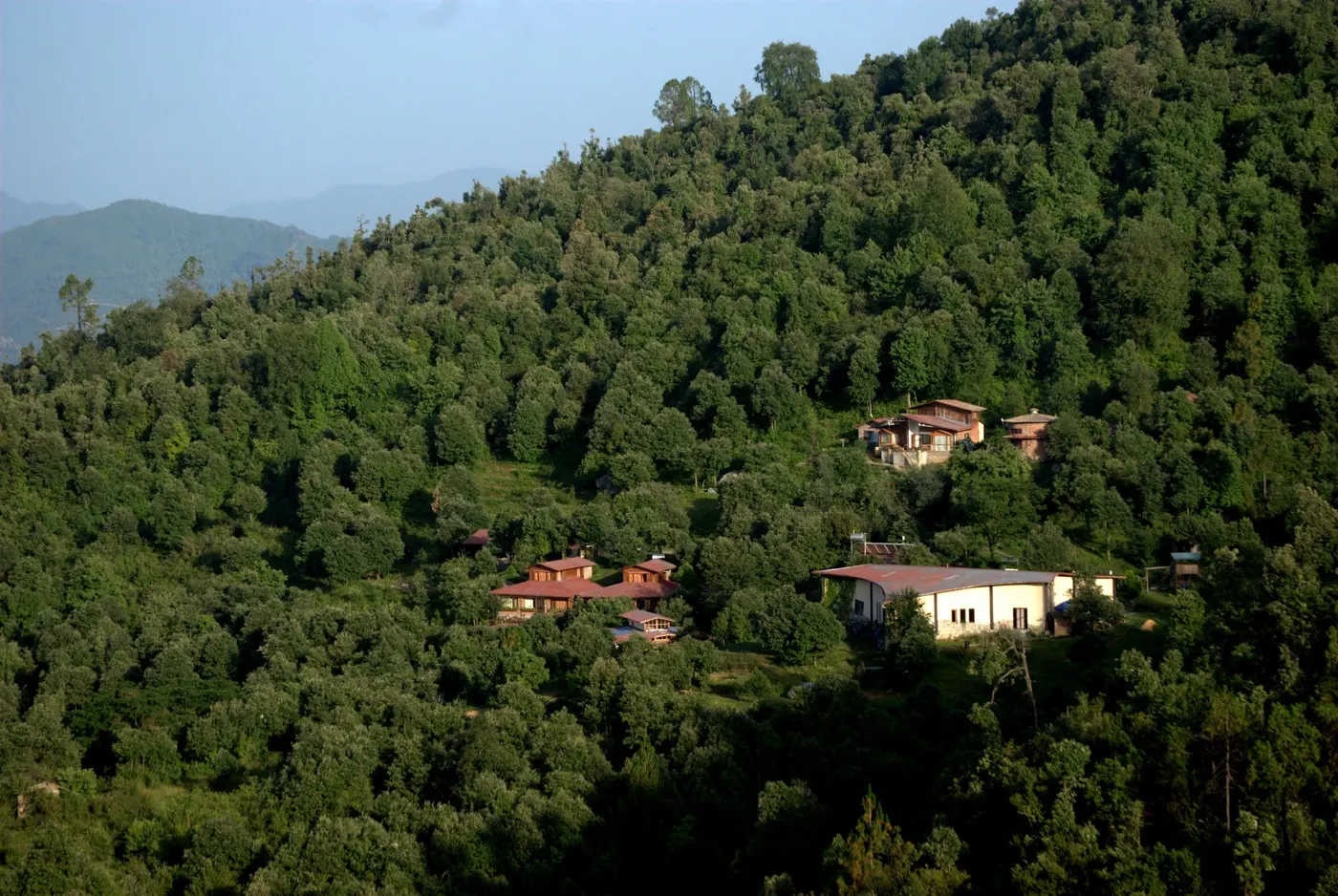
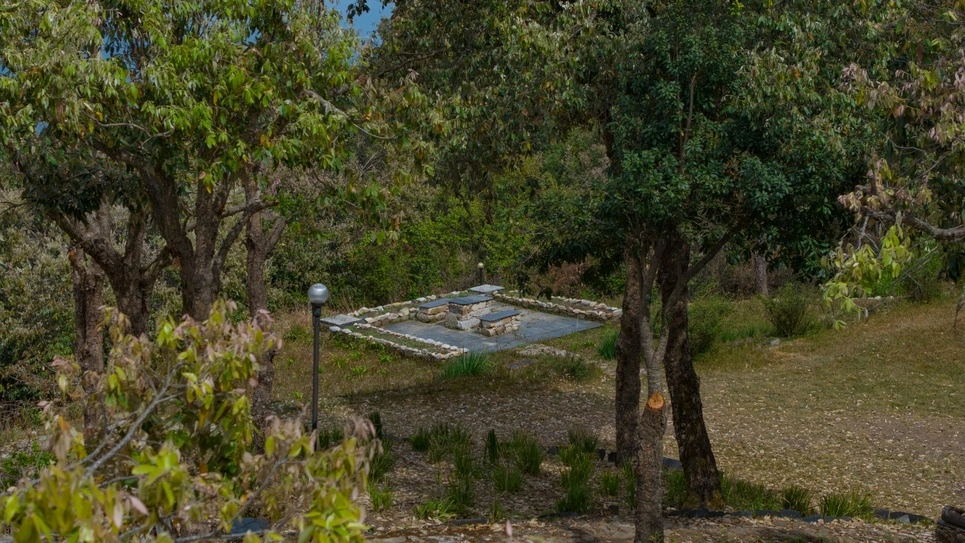
There is a noticeable difference between taking a short break and actually stepping into an environment that changes how your body and mind function. The Himalayas have that kind of effect. Not immediately dramatic, but gradual, deep, and surprisingly physical. Within the first 72 hours, something begins to shift, not because of effort, but because of absence. Absence of noise, absence of constant stimulation, and absence of the fast rhythm that most people unknowingly live inside every day.
When someone arrives in a quiet Himalayan setting like Jhaltola, the first thing they often notice is not peace, but sensitivity. Sounds feel sharper, breathing feels deeper, and even simple routines like walking or drinking water become more present in awareness. This is the beginning of a reset that happens below the level of conscious thought.
The First 24 Hours: The Mind Starts Slowing Down
During the initial phase, the brain does not immediately relax. It resists stillness in small ways. Many people feel an urge to check their phone repeatedly, even when there is no signal or reason to do so. This is not habit alone; it is a neural dependency on constant input.
As hours pass, the absence of notifications and digital interruptions begins to create space. The mind, which is usually switching between tasks, starts to settle into longer, uninterrupted thought cycles. You may notice that your attention span feels slightly unstable at first, but underneath that, a subtle quietness begins forming. Sleep also starts to change during this stage; without artificial stimulation late into the night, the body begins adjusting to natural light cycles. Even if sleep is not perfect on the first night, there is often a deeper sense of rest compared to usual routines.
The 48-Hour Mark: The Body Starts Responding
By the second day, the shift becomes more physical. The nervous system begins moving away from the constant "alert mode" activated in urban environments by noise, screens, and multitasking.
-
Natural Breathing: Breathing becomes slower without conscious effort. Many people notice they are taking deeper, more efficient breaths naturally, which helps the body recalibrate its oxygen and stress response patterns.
-
Appetite and Digestion: Meals feel simpler, yet more satisfying. Without the overstimulation of processed environments, the body starts responding more directly to natural hunger signals.
-
Reduced Mental Fatigue: Tasks that usually feel heavy begin to feel lighter, not because they are easier, but because the mind is no longer carrying background cognitive clutter.
If you are looking to nourish your body with local, wholesome ingredients that match this slower pace, read our guide: The Forgotten Kumaoni Kitchen: 7 Local Dishes You Must Try During Your Mountain Stay.
The 72-Hour Point: Mental Clarity Starts Emerging
By the third day, something more stable begins to appear. The constant urge to multitask reduces significantly. Thoughts become more linear and less fragmented. Instead of jumping between ideas, the mind starts holding onto one thought for longer periods.
This is where deep work becomes naturally possible. Writing, planning, reflecting, or simply thinking feels more structured. You are no longer forcing focus; it starts happening on its own. Emotionally, there is often a subtle sense of grounding. Concerns that felt urgent before arriving begin to feel distant or less emotionally charged. It is not that problems disappear, but their psychological weight reduces. Many people describe this stage as a return to mental simplicity—not emptiness, but clarity without overload.
Why the Himalayas Create This Effect Naturally
The environment plays a far bigger role than most people realize. High-altitude regions, especially quieter Himalayan pockets, naturally reduce external stimulation. Less noise, cleaner air, and slower human activity all contribute to lowering sensory overload. In places like Jhaltola, the absence of constant urban input allows the nervous system to shift out of survival-driven alertness. Over time, this creates a noticeable difference in how the brain processes thoughts and stress. It is not a dramatic transformation; it is more like a system returning to its default settings.
The Subtle Physical Reset
Beyond mental changes, the body also begins to adjust in quieter ways. Muscle tension—especially in the neck, shoulders, and jaw—often reduces without any active intervention. This happens because stress-related micro-contractions slowly release when the nervous system calms down. Clean mountain air supports more efficient oxygen exchange, contributing to the feeling of lightness and reduced fatigue. Even posture and movement change; people often walk slower, not because they are tired, but because there is no internal urgency pushing them forward.
What Stays With You After You Leave
The most interesting part of spending time in such environments is not what happens there, but what continues afterward. Many people return with a slower internal rhythm. The urge to constantly check devices reduces, focus feels easier to access, and small moments of silence no longer feel uncomfortable. This is why even short stays in the Himalayas can have a lasting impact—they reset your baseline.
Final Thought
Seventy-two hours in the Himalayas is not just a break from routine. It is a quiet recalibration of how attention, stress, and awareness function together. In a world that constantly demands faster reactions and divided focus, places like Jhaltola offer something increasingly rare: the ability to think clearly without effort. And once the mind experiences that kind of clarity, it rarely forgets it.
When you are ready to experience this transformative peace for yourself, you can Plan Your Visit.