Summer in the Himalayas has become a predictable commodity. Driven by the intense heat of the northern plains, crowds of urban travelers rush toward the hill stations of Kumaon every May and June. During these high-season months, the mountain experience is often compromised by traffic jams on narrow ridge roads, crowded viewing platforms, and the constant hum of resort air conditioners struggling against the midday sun. Summer tourists see a beautiful version of the mountains, but it is a dry, busy landscape operating under high-intensity pressure.
By the first week of July, the crowds vanish. As the clouds gather and the seasonal rains arrive, mainstream tourism retreats back to the cities. The general assumption is that the mountains become inaccessible, dangerous, and gray.
This assumption is a major oversight. For the conscious traveler, creative strategist, or high-performing leader seeking true recovery, the arrival of the monsoon marks the actual awakening of the landscape.
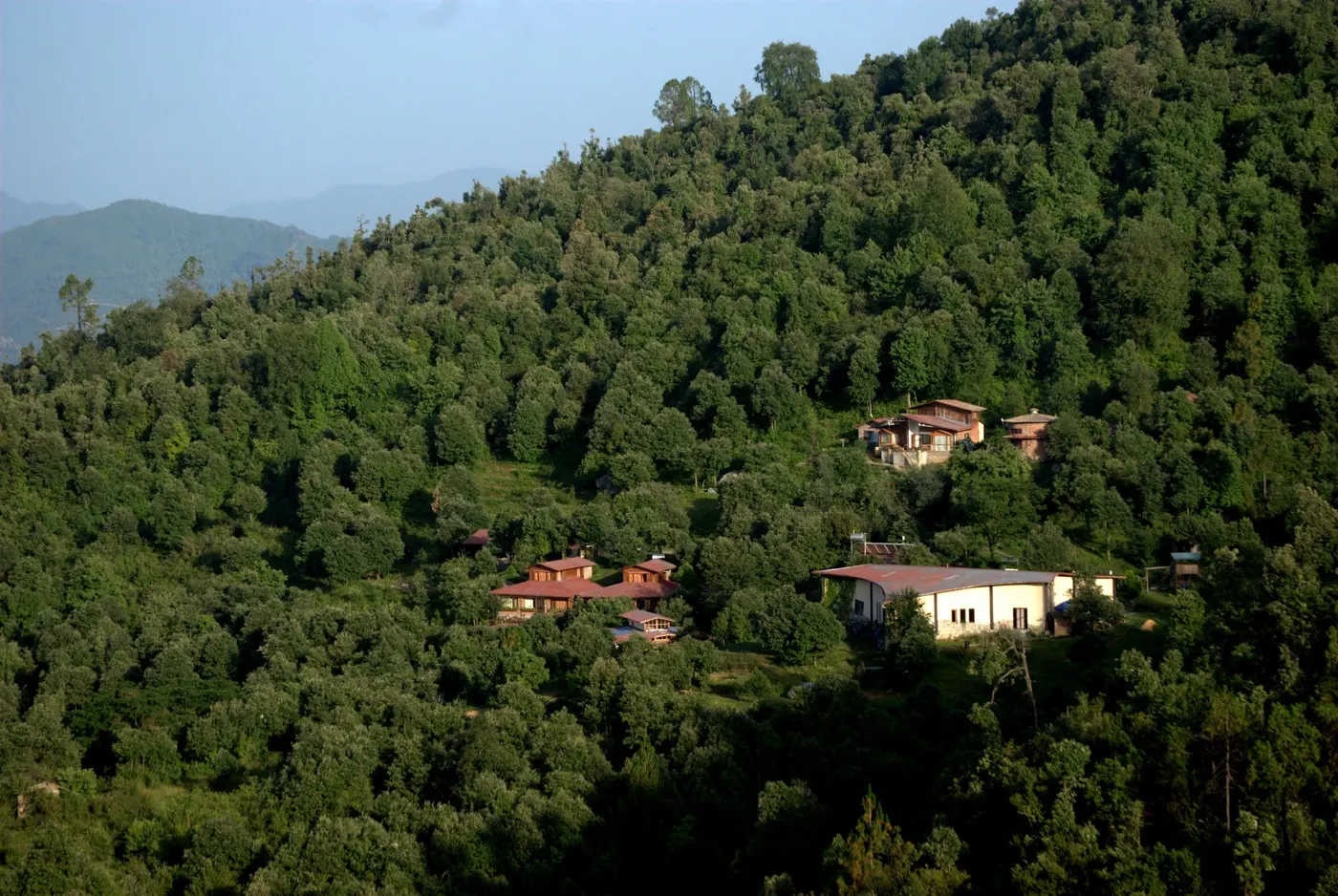
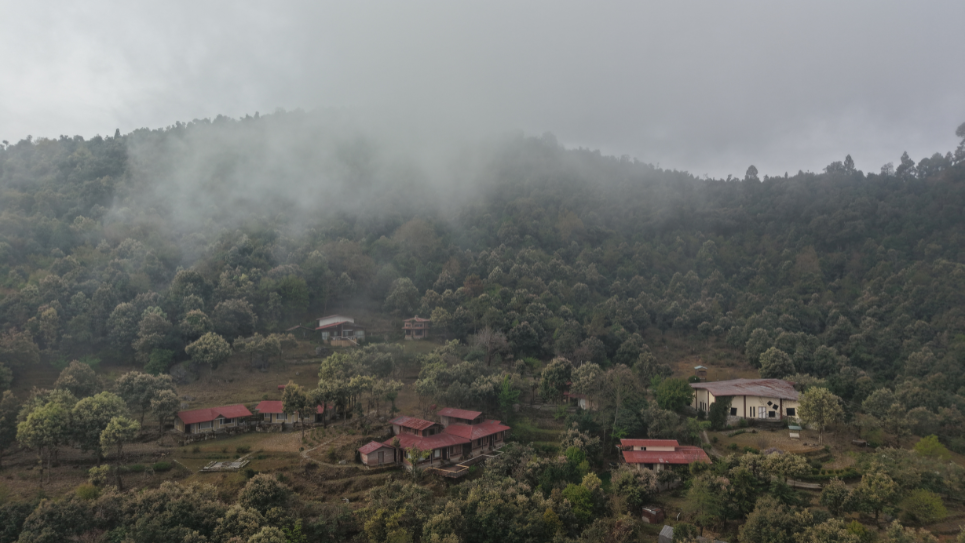
Deep within the protected 1000-acre private forest estate of Misty Mountains Jhaltola, the rainy season changes everything. The monsoon clears away summer haze, transforms dry brown hillsides into deep green mossy spaces, and reveals a completely different side of the wilderness that peak-season crowds never get to experience. Here is an analytical breakdown of what the monsoon reveals about Jhaltola, and why off-season immersion is defining the new standard for luxury mental recovery.
1. The Dynamic Visual Landscape: Clearing the Summer Haze
The biggest difference between a summer visit and a monsoon stay is the exceptional clarity of the mountain air. During the peak summer months, forest fires, dust from the plains, and vehicle emissions create a thick layer of haze across the valleys. This haze often hides the deep geographic textures of the hills and turns the great snow peaks into distant, blurry shapes.
The first monsoon rains wash the atmosphere completely clean, initiating a complete visual transformation:
-
The Mist and Shadow Play: The monsoon is not a continuous, dark downpour. Instead, it is a dynamic movement of low-flying clouds and shifting mists that roll through the oak canopies. One minute you are wrapped in a soft, quiet white mist; the next, the clouds split open to let brilliant beams of sunlight illuminate the valley floor thousands of feet below.
-
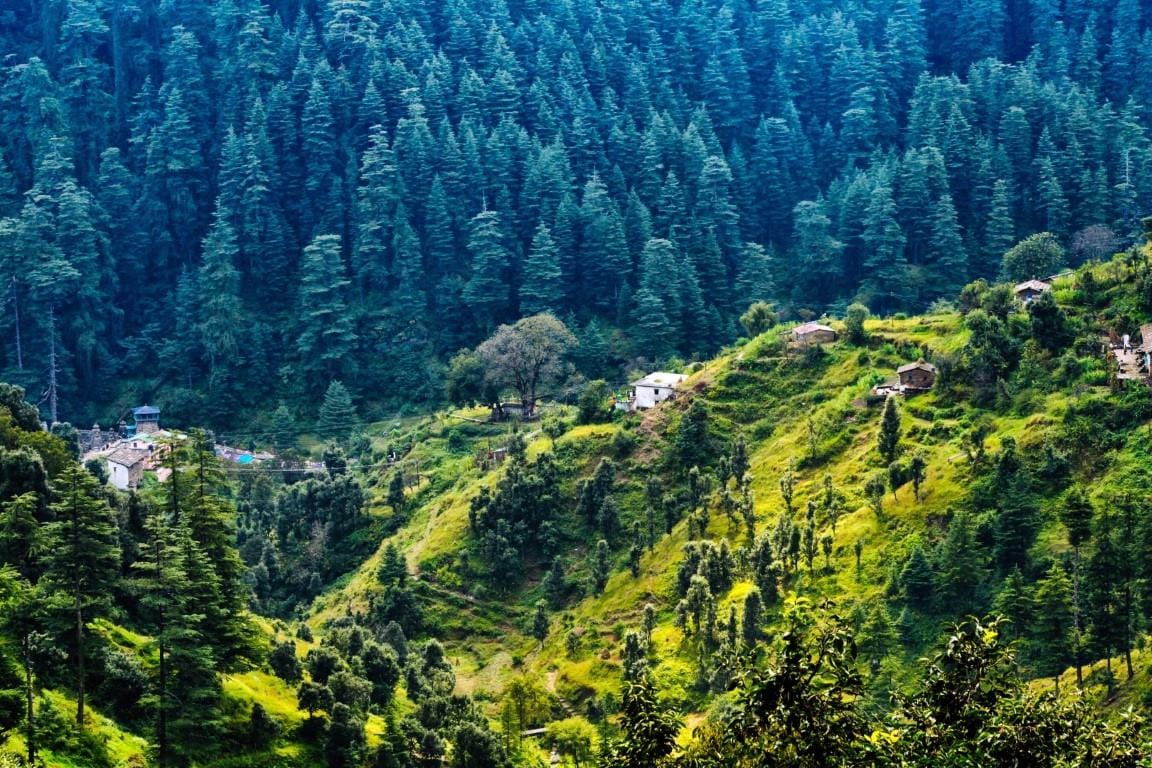
The Infinite Green Horizon: Summer in the mountains can leave the landscape looking dry and dusty. The rains instantly revive the flora, bringing out deep, rich shades of green across the hillsides. The mosses, ferns, and ancient lichens absorb the water, making the entire 1000-acre private forest look incredibly vibrant.
-
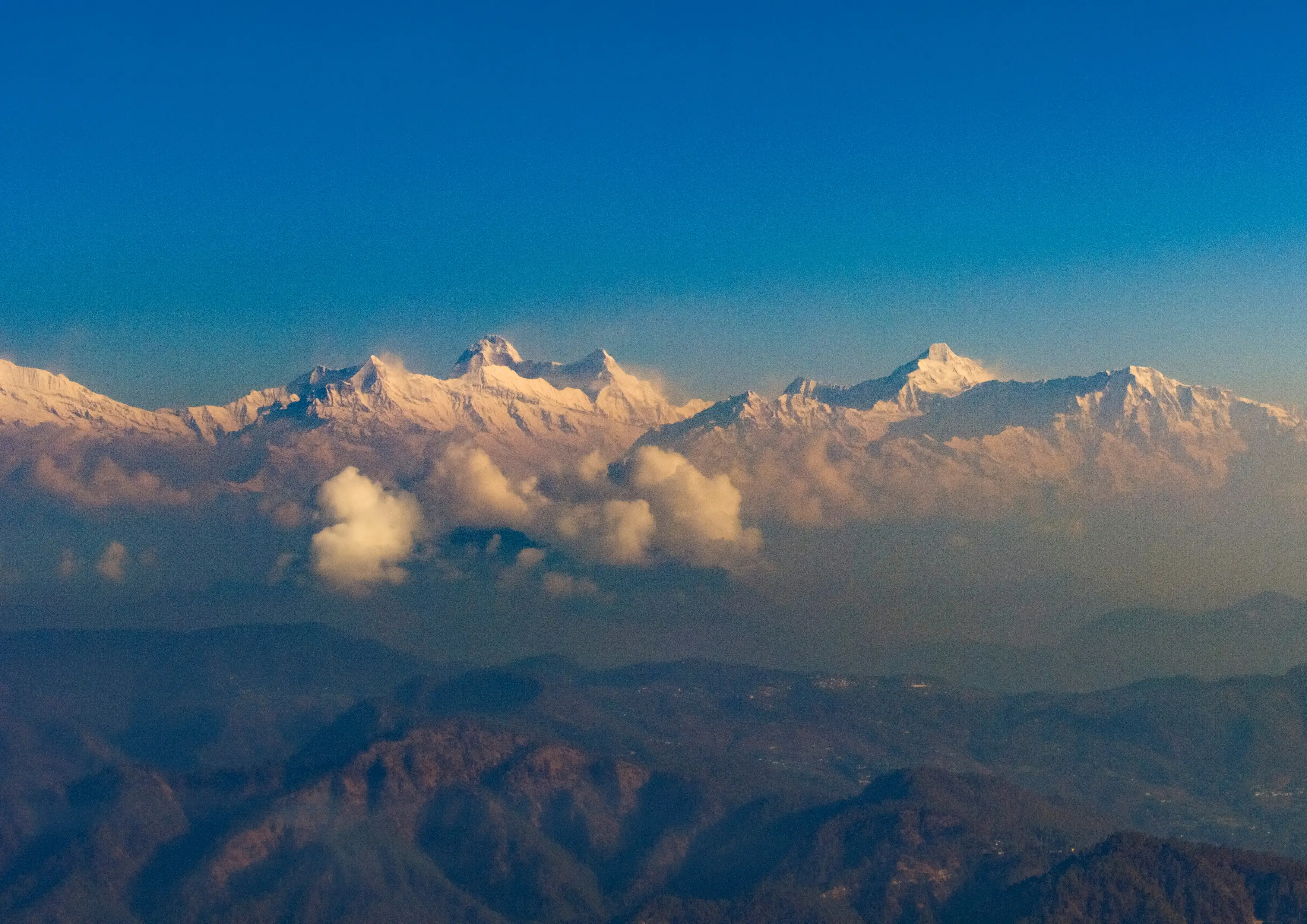
The Sharp Peak Reveals: Because the rain washes away all airborne dust, the moments when the clouds clear offer some of the sharpest, most breathtaking views of the Nanda Devi and Trishul ranges imaginable. The snow-capped peaks look intensely white against deep blue post-rain skies, providing a powerful sense of scale that summer tourists rarely witness.
2. Sensory Awakening: The Living Soundscape of a Rain-Fed Forest
Urban life forces the human brain to block out a constant background noise of traffic, construction, and sirens. This persistent filtering keeps your nervous system on alert, draining your mental energy. Summer resorts often replace this noise with the sounds of crowded dining halls and busy swimming pools.
The monsoon soundscape at Misty Mountains Jhaltola offers a powerful alternative that helps calm the mind:
-
The Sound of Mountain Water: As the rains feed the landscape, hidden underground channels and seasonal streams come alive across the estate. The gentle sound of water moving over ancient rock beds creates a natural, soothing background rhythm that helps lower daily stress levels.
-
The Dynamic Avian Chorus: While summer birds often stay quiet during the hot afternoons, the cool monsoon air triggers a surge of activity. The high-frequency morning calls of the Laughingthrush, the deep echoes of the Great Barbet, and the rustle of wings through damp leaves provide rich, soothing sensory input.
-
The Sound of Total Isolation: When the mist rolls in and the rain drops softly onto the thick forest floor, the silence becomes deeper and more absolute. This quiet environment removes all digital distractions, giving you the mental space needed for long-term strategic planning and deep reflection.
3. The Biological Reset: Phytoncides and Clean Air Chemistry
The physical refreshment you feel during a monsoon walk is backed by environmental science. A rain-fed old-growth forest functions as a highly efficient generator of clean air chemistry, offering therapeutic benefits that are unavailable in dry urban or summer resort environments.
As raindrops hit the leaves of ancient Himalayan Oaks (Banj) and high-altitude pines, they trigger the release of natural organic compounds called phytoncides. Breathing this crisp, damp air has a direct, positive impact on your physical well-being:
-
Lowering Cortisol Production: Spending time in a damp, high-altitude forest significantly reduces your baseline stress hormones, helping lower blood pressure and relieve chronic urban exhaustion.
-
Enhancing Oxygen Saturation: The air inside the 1000-acre private estate is completely free of city pollution. The high concentration of negative ions generated by moving rain clouds improves your body's ability to absorb oxygen, boosting your energy levels and clearing away persistent brain fog.
-
Restoring Natural Sleep Patterns: The combination of cool mountain air, mineral-dense water, and light, nutritious local dinners helps lower evening stress levels, leading to deep, restorative sleep cycles.
4. Winding Through the Damp Earth: The Rebirth of Historic Trails
For travelers who enjoy active natural exploration, walking the forest paths during the monsoon is a completely unique experience. In summer, the trails can feel dry, dusty, and hot under the direct sun. The rainy season turns these paths into soft, vibrant avenues of discovery.
The forest paths around Jhaltola take on a completely different character during the rains. The soft forest floor absorbs the water, creating a springy, low-impact surface that reduces stress on your joints. Moss grows over ancient dry-stone walls, and wild ferns open up along the path edges, making every turn look like a living tapestry. Walking through these changing mists allows you to experience the true, wild heart of Kumaon. To explore the history and pathways of these unique paths, Read More: The Forgotten Walking Trails of Kumaon: Exploring the Forest Paths Around Jhaltola.
5. Hyper-Local Monsoon Gastronomy: Warming the Body with Earth Fuel
A change in season brings a complete change in the farm-to-table kitchen at Misty Mountains Jhaltola. While summer menus focus on light, cooling dishes, the monsoon culinary experience is built around warm, nutrient-dense foods designed to support your body's natural baseline.
The estate's organic gardens and nearby village farms provide a unique selection of seasonal ingredients during the rains:
-
Wild Mountain Mushrooms: Harvested carefully from secret locations within the forest floor after the first heavy rains, these mushrooms offer rich, earthy flavors and deep nutritional benefits.
-
Spiced Kumaoni Pulses: Warm, slow-cooked gravies made from Bahat (indigenous black soybeans) or Gahat (horse gram) are prepared in traditional iron vessels. These dishes naturally infuse your meals with dietary iron, helping boost your energy and warm your body on cool rainy evenings.
-
Herbal Forest Infusions: Mornings begin with warm teas brewed from fresh mountain herbs, lemongrass, and wild ginger, sweetened with raw forest honey to support your immune system and keep you feeling grounded.
6. The Ultimate Luxury: Time and Space for Creative Longevity
The greatest revelation of the monsoon season is the absolute privacy it provides. Because mass tourism stops during the rains, choosing a monsoon stay gives you complete authority over your time, attention, and immediate environment.
Whether you are designing a 12-month business roadmap, auditing a complex ad campaign, or writing a creative piece, the unhurried pace of Jhaltola allows you to work without interruption. Sitting by a crackling fireplace with a warm mug of local tea, looking out at the shifting mists over the valley, you can dive into deep work with complete focus. The rainy season transforms your stay into a highly productive sanctuary for high-level thinking.
Conclusion: Investing in the Future of Travel
The choice between a standard summer vacation and an off-season monsoon stay comes down to how you value your personal health, attention, and mental clarity. Choosing the high-season crowds means accepting noisy environments and generic experiences that can continue to drain your energy.
Investing in a monsoon stay at an unshared eco-luxury sanctuary like Misty Mountains Jhaltola gives you access to a protected natural world where your physical vitality is nurtured by clean air, quiet spaces, and real fuel. The Himalayan monsoon is not a season to avoid; it is a profound natural reset for long-term health and creative clarity.
🔴 PLAN YOUR SECURE MONSOON RETREAT
Ready to escape urban burnout, leave the crowded summer routes behind, and experience the transformative power of a rain-fed 1000-acre private forest sanctuary? Connect with our travel curators to design a personalized multi-day mountain getaway tailored to your complete physical and mental well-being.
-
Call / WhatsApp: +91 99270 39123
-
Locate Our Sanctuary: Jhaltola, Near Raiagar, Pithoragarh District, Uttarakhand, India
-
Explore Accommodations: Read More: Plan Your Visit