The modern travel landscape has become highly transactional. Driven by commercial tourism models, the typical trip to the mountains has been reduced to a checklist of crowded viewing points, selfie spots, and heavy vehicular traffic. Popular hill stations are increasingly defined by the drone of diesel engines, congested ridge lines, and concrete viewing platforms that separate the traveler from the landscape. This high-density approach provides momentary distractions, but it structurally fails to deliver what the human mind truly seeks when escaping the city: deep mental decompression, absolute quiet, and genuine sensory renewal.
For the modern high-performing professional, data strategist, or creative leader, true luxury is no longer about static monuments or passive viewing. It is about active physical immersion in terrains that remain completely wild and untouched by mass tourism. To truly break free from the noise of metropolitan life, one must step off the paved highway and onto the ancient, unpaved earth.
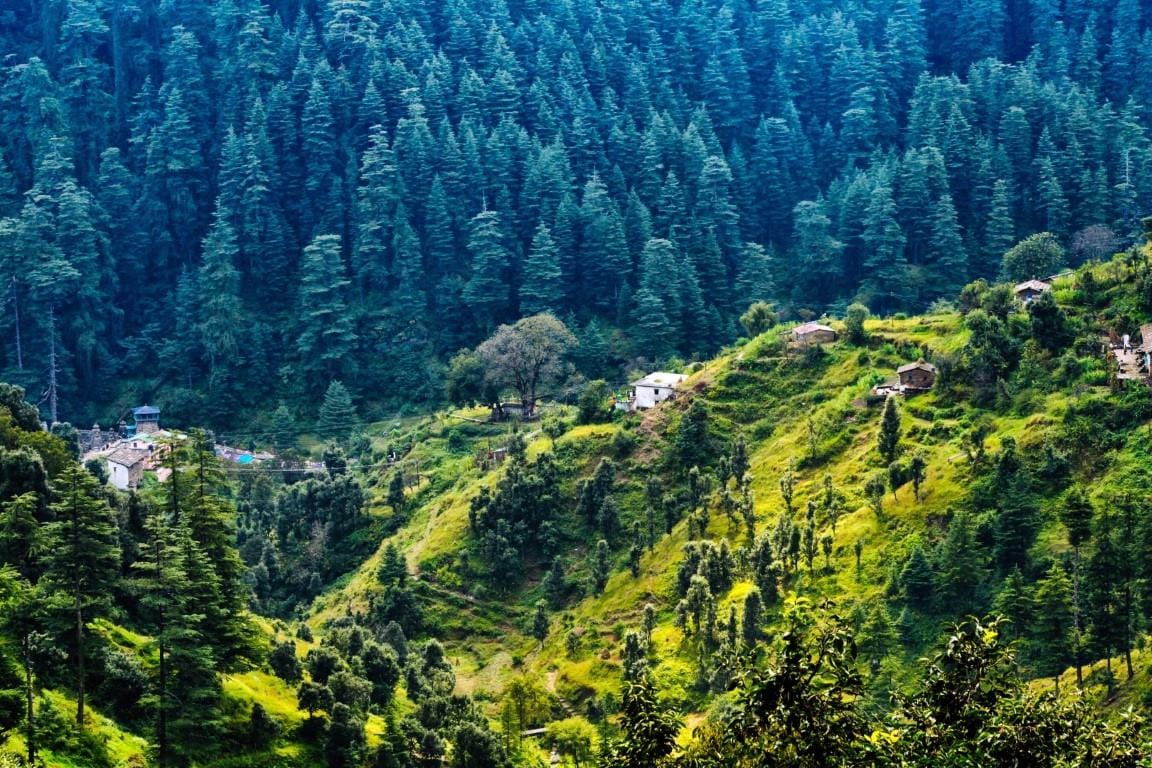
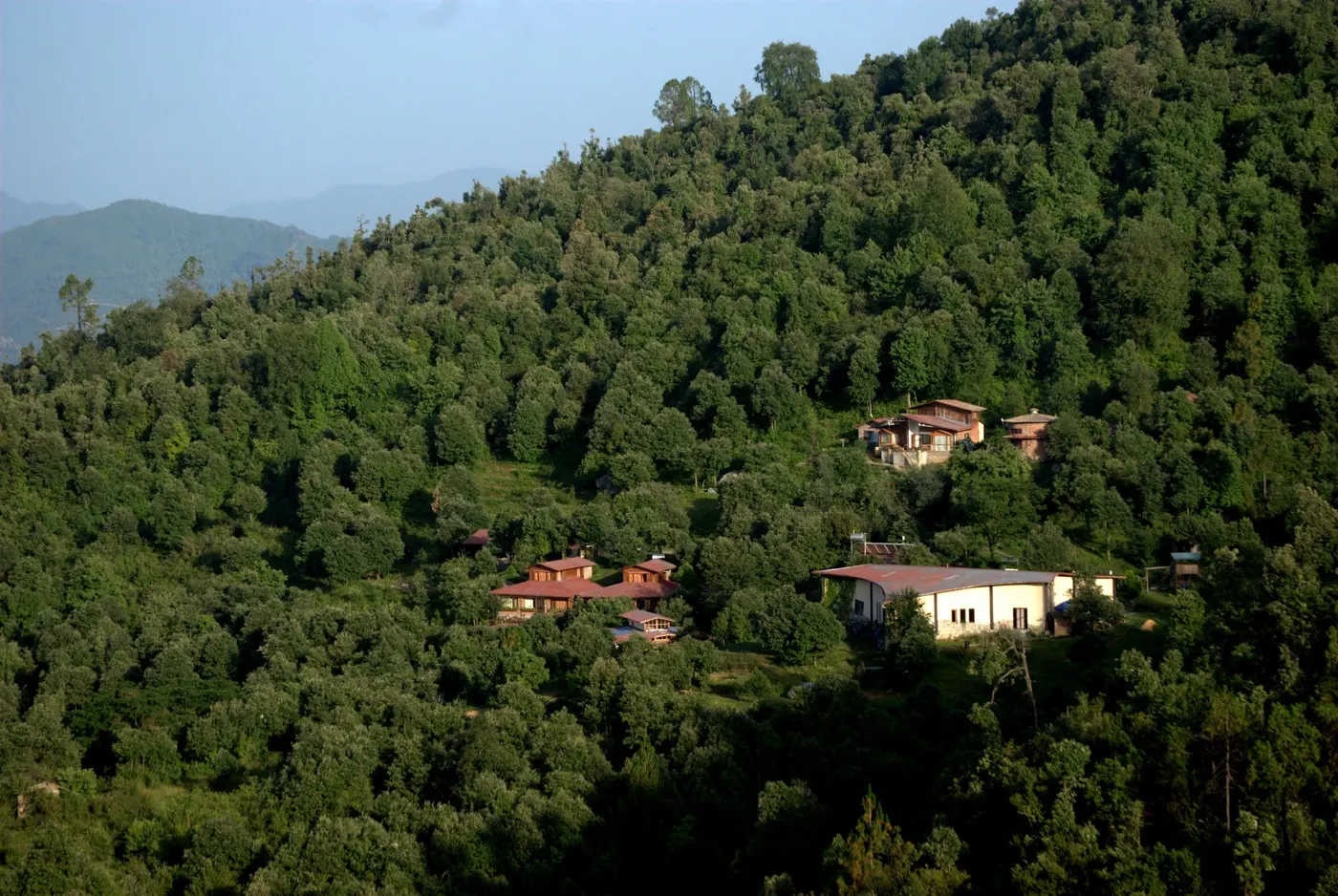
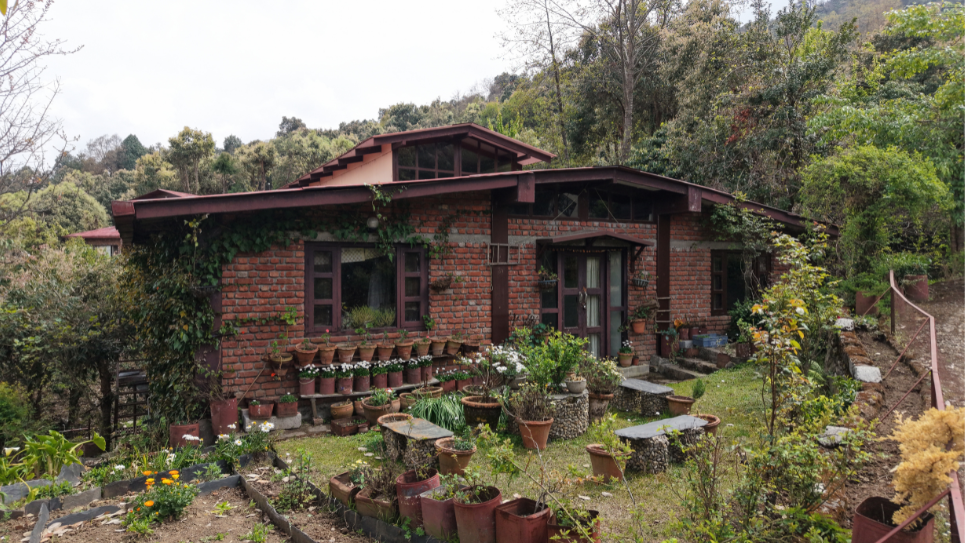
Deep within the remote highlands of Upper Kumaon, the 1000-acre private forest estate of Misty Mountains Jhaltola preserves a rare network of forgotten walking trails. These historical paths—once navigated by ancestral villagers, colonial explorers, and native wildlife—wind through old-growth oak forests, hidden valleys, and dramatic ridge lines. By exploring these ancient paths on foot, travelers can trade industrial noise for deep forest quiet, experiencing a powerful natural reset for the mind and body. Here is an analytical breakdown of the ancient walking trails of Jhaltola and how slow foot travel is defining the future of premium wellness travel.
1. The Architecture of a Mountain Trail: Understanding the Forest Floor
To understand the restorative power of walking through a protected wilderness, one must first analyze the physical structure of an authentic mountain trail. Unlike artificial concrete walkways or paved resort paths that shock the human skeletal system with every step, the forest floor of Jhaltola is a complex, living shock absorber.
Over centuries, layers of fallen leaves from ancient Himalayan Oaks (Banj) and Rhododendrons (Buransh) have decayed naturally, creating a thick, springy topsoil carpet known as a duff layer. Walking on this soft, unpaved surface offers clear physical and mental benefits:
-
Low-Impact Movement: The natural softness of the forest floor reduces stress on your ankles, knees, and hips, allowing you to walk for hours without the joint fatigue caused by city pavements.
-
Kinetic Engagement: Navigating gentle inclines, exposed rock strata, and winding roots engages your smaller stabilization muscles, naturally improving your balance and physical posture.
-
Sensory Grounding: The soft sound of footsteps on dry leaves and the rich aroma of damp earth release natural organic compounds called phytoncides into the air, which have been shown to lower heart rates and reduce daily stress levels.
2. The Ridge Trail: Walking Among the Giants of the Nanda Devi Range
The most visually stunning trail within the Jhaltola private forest is the panoramic Ridge Trail, a high-altitude path that follows the spine of the mountain ridge. This trail is designed for deep mental clarity, offering wide, open views that contrast sharply with the cramped spaces of urban environments.
As you follow the winding ridge line, the forest opens up to reveal a breathtaking view of the inner Himalayan peaks. The massive snow-capped summits of Nanda Devi, Trishul, Panchachuli, and Maiktoli rise dramatically against the clear blue sky, creating a powerful sense of scale.
This high-altitude path sits at an elevation of approximately 7,500 feet, surrounded by ancient Himalayan Oak and high-altitude pines. The 180-degree unobstructed view of the snow peaks triggers a natural expansion of breath and a complete reset of your visual horizon.
Walking this trail in the early morning allows you to experience the crisp alpine light as it hits the snow peaks. The silence along the ridge is absolute, broken only by the sound of the wind through the pines. This vast space acts as a natural reset for your mind, clearing away digital fatigue and giving you the quiet focus needed for big-picture strategic thinking.
3. The Deep Forest Oak Trail: Immersive Living in an Ancient Ecosystem
Stepping off the open ridge line and descending into the heart of the forest takes you onto the Deep Forest Oak Trail. This path winds through dense, old-growth canopies where some oak trees have stood for over three centuries, creating a private, enclosed environment that feels completely cut off from the outside world.
The environment along this path is shaped by dense layers of local flora:
-
The Oak Canopy: The heavy branches of the Banj oak trees form a natural umbrella that filters the sunlight, creating cool, shaded pathways even during mid-day.
-
Moss and Lichen Formations: The tree trunks and stone walls are covered in thick layers of green moss and hanging lichens, which act as natural air filters and show the exceptional purity of the local environment.
-
The Undergrowth: Winding patches of wild ferns, mountain berries, and local herbs line the path, filling the air with clean, natural scents that help settle the nervous system.
This trail is ideal for slow, mindful walking. Without the distractions of modern life, your senses naturally tune into the subtle details of the forest—the shifting patterns of light, the texture of old bark, and the steady rhythm of your own breath.
4. The Avian Highway: Exploring the Secret Trails of Himalayan Wildlife
Because the 1000-acre estate at Jhaltola is strictly protected from commercial development, logging, and hunting, its walking trails serve as safe natural pathways for a wide variety of Himalayan birds and wildlife. Walking here offers a rare look into a healthy, undisturbed ecosystem.
The soundscape of this avian trail functions across distinct biological layers. The upper layer is dominated by the high-canopy cadences of pheasants and the Kalij, the mid-layer carries the steady melodies of the Laughingthrush, and the ground layer features the subtle rustles of Barking Deer or foxes moving through the brush. This continuous, multi-layered acoustic environment provides a gentle, natural distraction from urban anxieties.
As you walk quietly along the paths, you can hear the distinct calls of the Great Barbet, the striking blue flash of the Verditer Flycatcher, or the deep call of the Hill Partridge. Naturalists from the estate help you spot these rare species and teach you to read the subtle signs of the forest floor, from the fresh tracks of a Barking Deer to the scratch marks left by a wild Kalij Pheasant. This active focus on the natural world naturally shifts your mind away from daily anxieties, replacing stressful urban thoughts with quiet curiosity.
5. The Abandoned Village Path: Connecting with Kumaoni Heritage
For travelers interested in human history and cultural heritage, the Abandoned Village Trail offers a meaningful step back in time. This path follows an old trade route that once linked small mountain settlements, passing historic slate-roofed homes, old dry-stone walls, and disused stone water mills (Gharat).
Walking this historic path offers a profound look at traditional mountain life:
-
Dry-Stone Engineering: The trail shows the incredible skill of traditional Kumaoni builders, who crafted miles of terrace walls and steps using only naturally shaped stones, without any cement or mortar.
-
Terrace Farming Fields: The trail passes old, stepped farming terraces that follow the contours of the hills, showing how generations of local families worked in harmony with the rugged terrain.
-
Historical Storytelling: Walking this path with a local guide brings the landscape to life with authentic folk stories, historical legends, and insights into traditional mountain life, connecting your journey to the human history of the Kumaon hills.
This connection to history helps you step out of the fast pace of modern life and appreciate a slower, more deliberate way of living. For families seeking a holiday rooted in this type of authentic environment, trading commercial hotels for historical estates can be a life-changing choice. To understand this shift in modern travel preferences, Read More: Why More City Families Are Choosing Homestays Over Hotels in the Himalayas.
6. The Science of Trail Walking: How Foot Travel Restores Your Focus
The mental clarity you feel while walking the trails of Jhaltola is backed by modern environmental science. Spending hours walking through a pristine forest environment triggers a series of positive changes in your body and mind:
-
Lowering Cortisol Levels: Studies show that spending time in deep forest environments significantly reduces cortisol (the primary stress hormone), helping lower blood pressure and relieve chronic urban stress.
-
Restoring Attention Span: Constant digital notifications fracture your focus. Spending time on a wild mountain path allows your mind to enter a state of "soft fascination," which helps repair your attention span and sharpens your long-term strategic focus.
-
Boosting Physical Energy: Breathing the pure, high-altitude oxygen of a 1000-acre private forest improves oxygen delivery to your brain and body, raising your overall energy levels and helping clear away chronic physical fatigue.
This combination of deep quiet, physical movement, and clean air makes trail walking one of the most effective ways to restore your personal well-being.
Conclusion: Reclaiming Your Natural Pace
The forgotten walking trails of Kumaon offer much more than a simple afternoon stroll; they are an invitation to slow down, step away from digital distractions, and reconnect with the natural world. Choosing to stay in crowded commercial resorts keeps you tied to the busy pace of the city.
Investing your time in a protected forest sanctuary like Misty Mountains Jhaltola gives you the freedom to explore a massive, untouched landscape at your own pace. Walking these ancient paths allows you to leave corporate burnout behind, clear your mind, and return to your life with a renewed sense of purpose and clarity.
🔴 START YOUR JOURNEY ALONG THE TRAILS
Ready to step off the paved tourist routes, leave the digital noise behind, and discover the refreshing peace of our private 1000-acre forest trails? Connect with our travel curators to plan a personalized multi-day mountain stay focused on complete physical renewal, wildlife discovery, and deep forest quiet.
-
Call / WhatsApp: +91 99270 39123
-
Locate Our Sanctuary: Jhaltola, Near Raiagar, Pithoragarh District, Uttarakhand, India
-
Explore Our Current Packages: Read More: Experience Packages