The structure of family vacations is undergoing a major shift. For decades, urban families followed a predictable routine when planning a mountain holiday. They booked multi-story commercial hotels or luxury resort chains, relying on room service, structured tour packages, and standard continental buffet spreads. These spaces offered a predictable experience, but they often kept guests isolated from the actual destination, surrounded by concrete walls that felt identical to the cities they were trying to escape.
Today, high-performing professionals, creative strategists, and conscious urban families are realizing that conventional hotel stays often fail to deliver a true break from city fatigue. A holiday spent navigating crowded hotel lobbies, waiting in lines for breakfast buffets, and looking out at packed tourist streets can feel just as draining as a week in a metropolitan area.
As a result, modern travelers are choosing a more meaningful alternative: experiential, deep-immersion homestays and private forest estates.
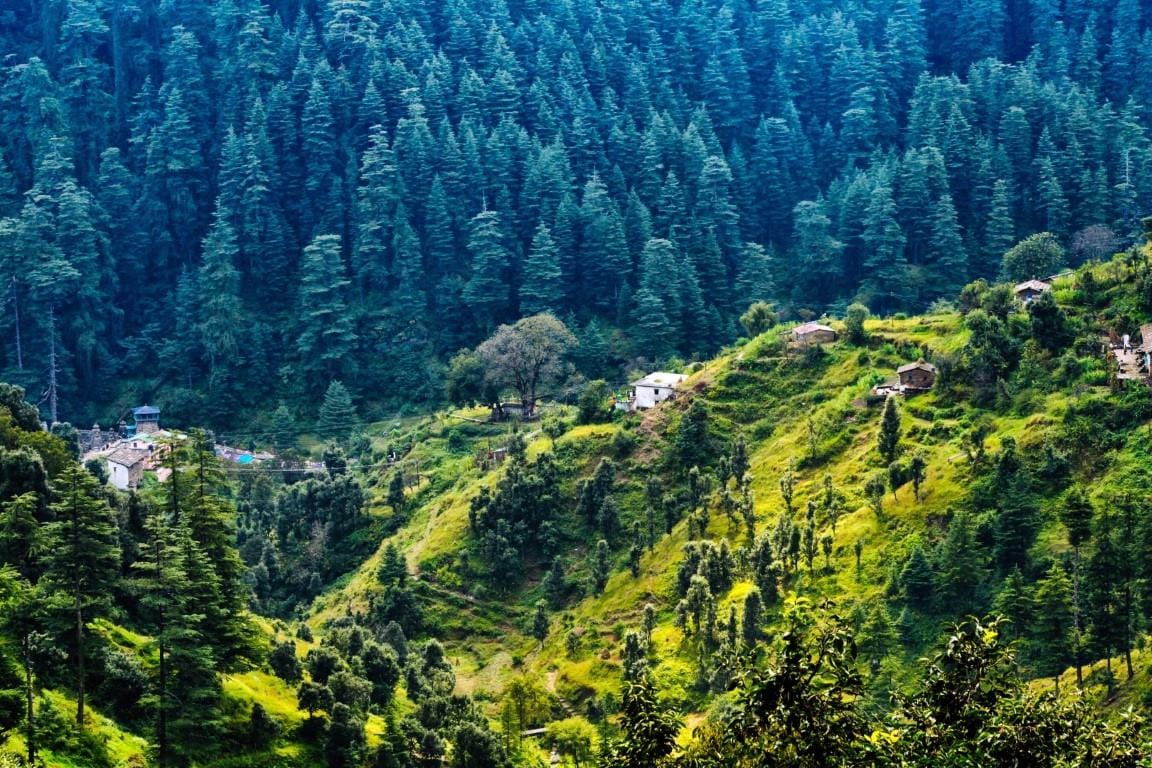
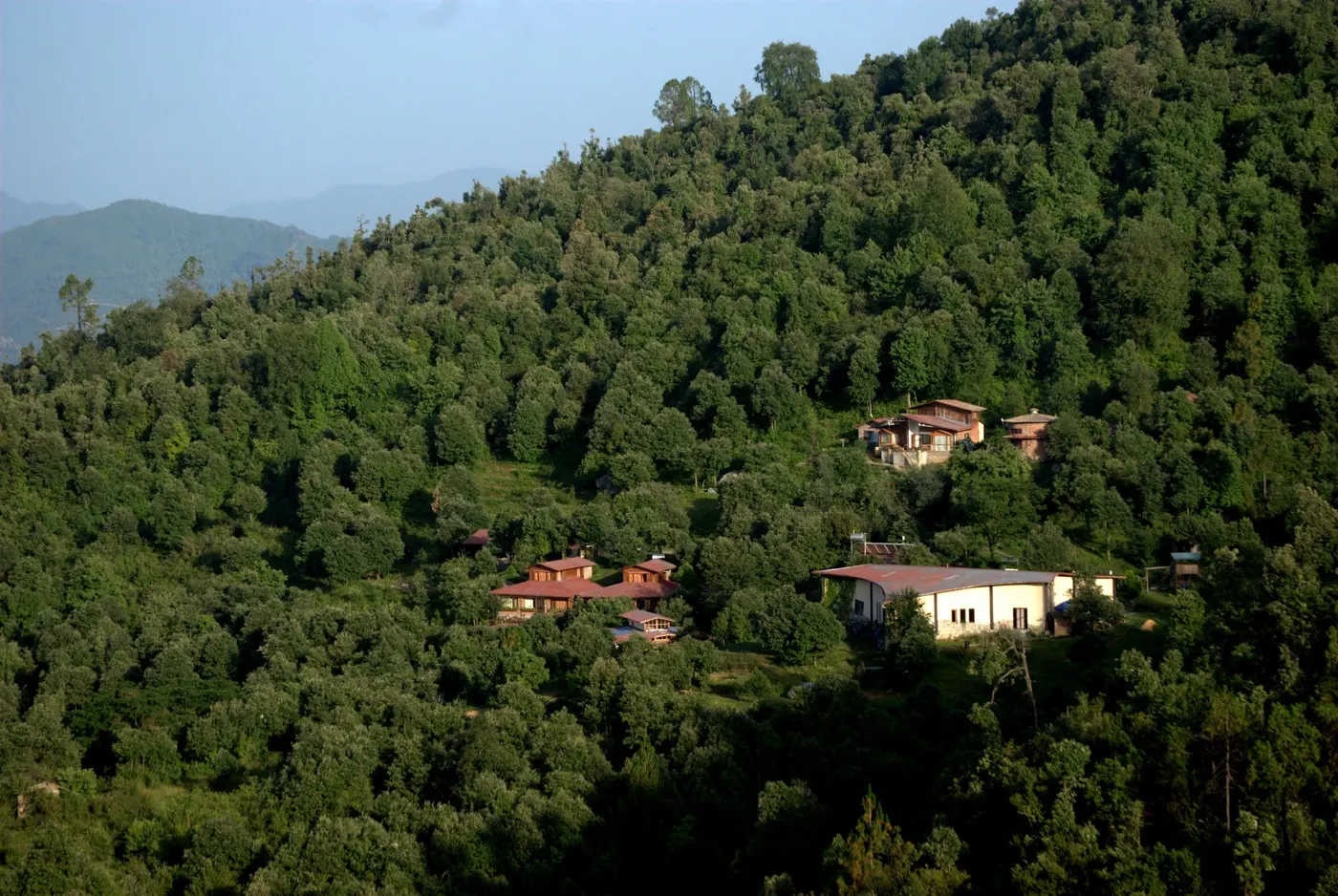
Deep in the pristine high-altitude landscapes of the Kumaon region, the 1000-acre private forest estate of Misty Mountains Jhaltola is redefining premium family travel. By replacing commercial hotel setups with an authentic, de-structured home environment, this sanctuary allows city families to trade crowded corridors for open mountain ridges. Here is an analytical breakdown of why urban families are moving away from traditional hotels and how authentic mountain homestays are shaping the future of meaningful travel.
1. Breaking the Concrete Wall: True Environmental Separation
The primary goal of a mountain vacation is to escape the physical and mental stress of metropolitan life. However, modern commercial hotels in popular hill stations often replicate the exact urban architecture that families want to leave behind. They feature high-density layouts, enclosed concrete corridors, elevators, and paved parking lots that cut guests off from the natural landscape.
An authentic high-altitude estate or homestay structure removes these artificial barriers entirely:
-
Direct Open-Air Access: Instead of stepping out into a carpeted hotel hallway, doors open directly onto soft forest paths, manicured herb gardens, or stone viewing decks that look out toward the snow-clad peaks of Nanda Devi and Trishul.
-
Low-Density Privacy: Commercial properties focus on maximizing room counts, which leads to shared walls and crowded common spaces. A premium estate prioritizes low-density living, giving your family a quiet, private environment where your children can explore safely without encountering crowds.
-
True Sensory Immersion: Staying in a protected forest allows your family to experience the real rhythms of the mountains. The sound of morning wind through ancient oaks, the shifting mountain mists, and the clear evening skies create a natural, soothing setting that supports deep relaxation.
2. From Commercial Rooms to Living Spaces: Reclaiming Family Dynamics
Traditional hotel rooms are designed for short stays and standard routines. They separate families into disconnected rooms or crowd everyone into a single space with limited seating, forcing family members to spend their downtime staring at television screens or digital devices.
A homestay or estate layout is built around the natural dynamics of family life, offering integrated living spaces that encourage shared experiences:
-
Shared Living Areas: Large, sunlit living rooms, private library spaces, and open fireplaces give families a comfortable place to gather naturally. Your family can read together, play board games, or discuss the day’s trail walk without feeling confined to a bedroom.
-
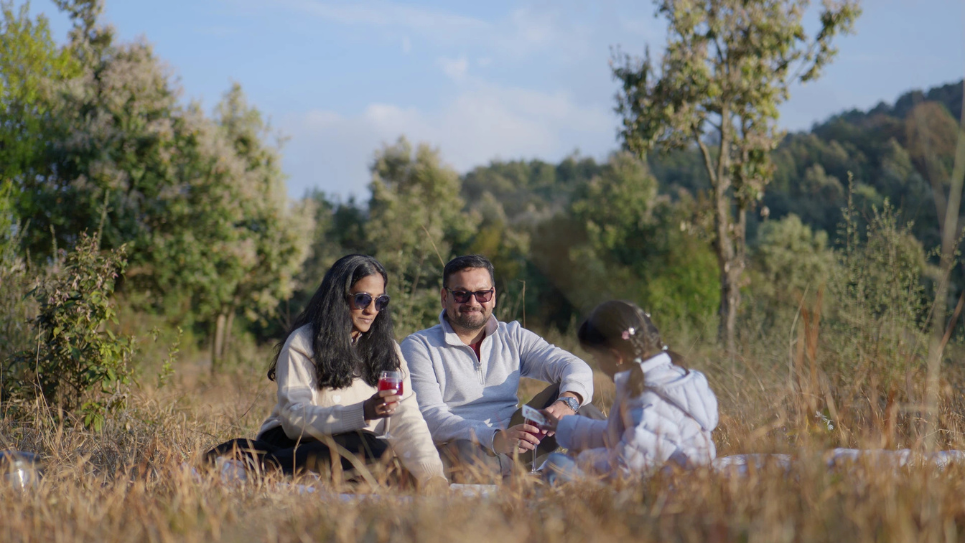
Safe Spaces for Children: Unlike busy hotel lobbies or paved driveways with active traffic, a private forest estate offers a completely safe environment. Children can run freely along dirt paths, climb old stone steps, and interact with nature without the constant supervision required in commercial tourist areas.
-
A Relaxed Daily Rhythm: Homestays remove the rigid schedules of commercial properties. There are no strict checkout hours for breakfast or rushed room service timelines. The day moves entirely at your family’s own pace, allowing everyone to rest and wake up naturally.
3. The Culinary Reset: Hyper-Local Gastronomy vs. The Industrial Buffet
One of the biggest points of friction during a long hotel stay is the food. Commercial resort kitchens are built to produce high-volume menus designed to please everyone. To keep up with this demand, they often rely on mass-processed ingredients, pre-prepared base sauces, and heavy cream or oils to keep dishes fresh on a buffet line. Eating this heavy food for several days can leave family members feeling sluggish and physically uncomfortable.
An authentic mountain homestay replaces this mass-production approach with a hyper-local, farm-to-table dining experience:
-
Freshly Harvested Nutrition: Meals are prepared using ingredients sourced directly from the estate's organic gardens or nearby village farms. Grains, vegetables, and pulses are harvested fresh daily, preserving their natural flavors and full nutritional value.
-
Traditional Kumaoni Cooking: Families can enjoy clean, ancestral mountain dishes like Bhatt ki Churkani (indigenous black soybean gravy), warm Madua (finger millet) rotis, and light seasonal greens slow-cooked in traditional iron vessels. This clean diet keeps the body energized and free from the digestive strain caused by city foods.
-
Personalized Kitchen Interaction: In a home environment, the kitchen is a welcoming, open space. Guests can easily ask the chefs to adjust spice levels for children, prepare custom meals for specific dietary needs, or teach the family how to make local Himalayan chutneys using fresh stone-ground herbs.
4. Active Nature Immersion: Reconnecting Children with the Living World
For children growing up in modern cities, daily life is increasingly defined by screens, artificial indoor play zones, and structured school routines. This lack of contact with the natural world can contribute to shorter attention spans, higher anxiety, and a general disconnect from the environment.
Traditional hotels rarely offer more than a small manicured lawn or a paved playground. A homestay set within a massive private forest estate serves as an expansive outdoor classroom:
-
Natural Forest Classrooms: Walking through a 1000-acre private forest gives children a chance to experience a thriving ecosystem firsthand. They can learn to identify ancient tree species, track wildlife tracks along dirt paths, and discover the unique plants that grow in the high-altitude terrain.
-
Unplugged Play: The natural landscape encourages active, creative play. Children can collect pinecones, sketch forest landscapes, or look for unique rock formations, shifting their focus away from digital screens and helping them develop a deeper sense of patience and curiosity.
-
Real Outdoor Skills: Guided trail walks with local naturalists teach children basic outdoor skills, such as reading trail markings, understanding shifting mountain weather, and observing forest behavior quietly. This hands-on experience helps build physical confidence and a genuine respect for conservation.
5. Authentic Cultural Connection: Meeting the People of Kumaon
Staying at a standard commercial hotel often isolates travelers from the local culture. Interactions are usually limited to formal exchanges with front-desk staff or drivers, leaving families with little understanding of the traditions, history, and daily life of the region they are visiting.
A homestay offers a direct, respectful window into the local community:
-
Genuine Mountain Hospitality: Guests are welcomed as extended family members rather than temporary room numbers. Local hosts share authentic stories of mountain life, historical folklore, and ancestral traditions, adding a meaningful layer of human connection to the holiday.
-
Meaningful Village Walks: Families can take quiet walks through nearby Kumaoni villages, observing traditional slate-roofed homes, learning about regional architectural styles, and understanding local terrace farming techniques without feeling like intrusive tourists.
-
Supporting the Local Economy: Choosing a locally staffed estate ensures that your travel spending directly benefits the community. It provides sustainable employment for local youth, supports nearby farmers, and helps preserve the traditional cultural heritage of the Kumaon hills.
6. Deep Wellness: Restoring the Collective Family Focus
The constant noise and rapid pace of urban life keep the human nervous system in a state of continuous low-grade stress. When a family carries this tension into a crowded commercial hotel, the holiday can quickly become stressful as everyone tries to manage schedules, noise, and distractions.
An isolated forest homestay acts as a natural space for collective family recovery:
-
A Quiet Soundscape: Replacing traffic noise and loud hotel corridors with the quiet sounds of the forest—such as bird calls, wind through the trees, and the crackle of a wood fire—helps lower stress levels and brings a deep sense of calm to the entire family.
-
Restorative Mornings: Waking up to natural sunlight clearing the mountain peaks allows your family to start the day in a calm, unhurried way, resetting internal sleep cycles and clearing away city exhaustion. To understand how to structure your early hours for maximum recovery, Read More: The Anatomy of a Perfect Mountain Morning: Designing Your Restorative Dawn Routine.
-
Meaningful Conversations: Without the distractions of television programs, loud public lounges, or work notifications, family members can sit together by an open fire or on a sunny deck and enjoy long, uninterrupted conversations. This shared quiet time helps strengthen family bonds and creates lasting memories.
Conclusion: Making a Mindful Choice for Your Next Holiday
The shift from conventional commercial hotels to experiential mountain homestays represents a deeper understanding of what a true vacation should be. It is a choice to prioritize physical health, mental clarity, and genuine human connection over generic, mass-produced luxury.
For city families looking to escape the pressures of urban life, an immersive stay at an unshared sanctuary like Misty Mountains Jhaltola offers a profound reset. It provides a protected space where your body can recover with clean air and organic food, while your family rediscovers the simple joy of being present together in the heart of nature.
🔴 PLAN YOUR FAMILY'S WILDERNESS RETREAT
Ready to leave the noise of commercial resorts behind and give your family the deeply refreshing experience of a private 1000-acre forest estate? Get in touch with our travel coordinators to design a personalized multi-day mountain stay focused on complete rest, wellness, and natural exploration.
-
Call / WhatsApp: +91 99270 39123
-
Locate Our Sanctuary: Jhaltola, Near Raiagar, Pithoragarh District, Uttarakhand, India
-
Review Experience Packages: Read More: Plan Now