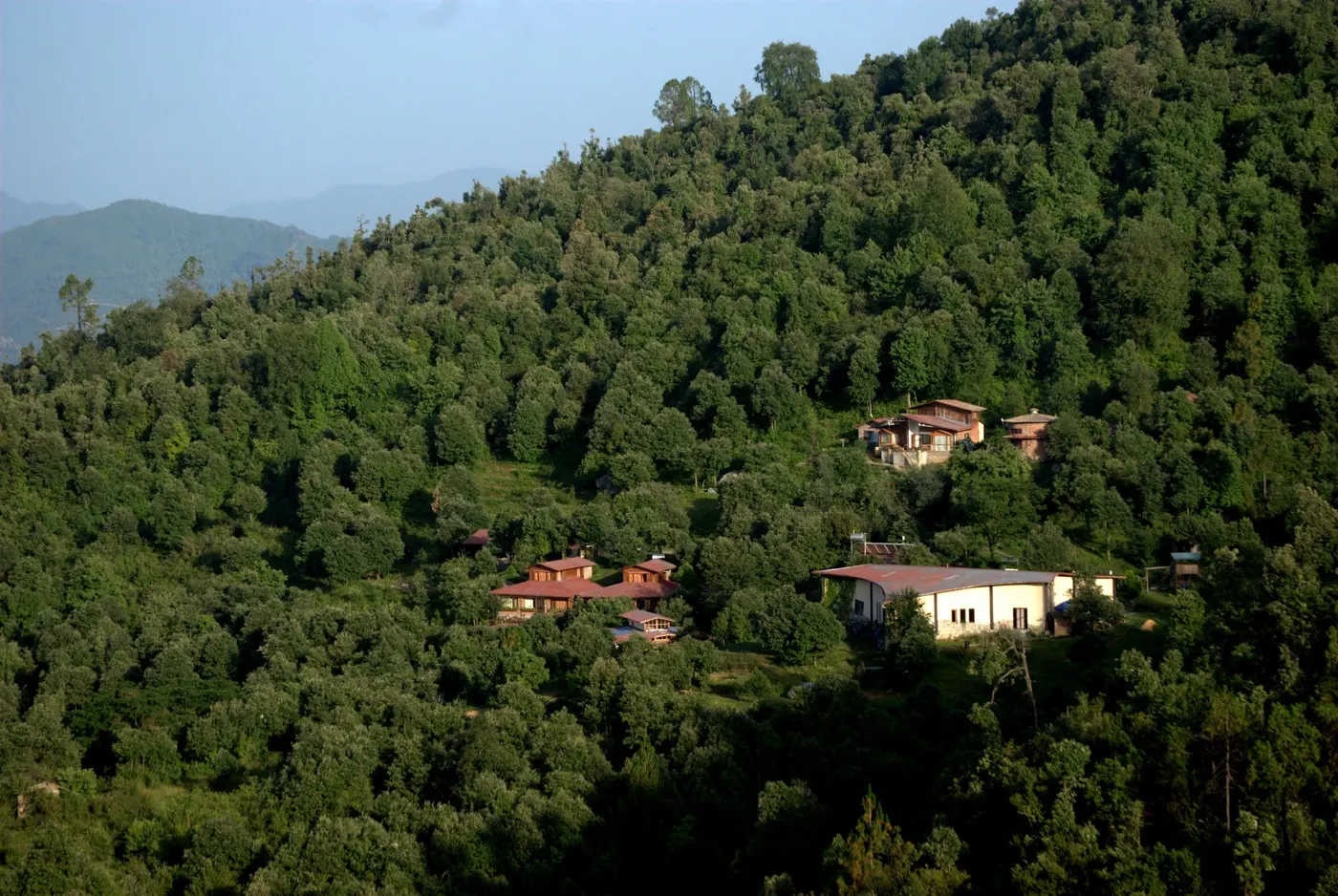
At 7,000 feet, where the air of the Kumaon Himalayas turns crisp and thin, the landscape is dominated by a silent, moss-covered sentinel: the Banj Oak (Quercus leucotrichophora). To a casual tourist, they are just trees. But to those who live in the 1,000-acre private sanctuary of Misty Mountains Jhaltola, these Oaks are the ancient historians of the ridge.
They are the "Old Souls" of the forest. They have seen the rise and fall of tea estates, the changing migration patterns of the Himalayan Leopard, and the shifting whispers of the mountain winds for over a century. This is a deep dive into the secret life of the Himalayan Oak forests and why the survival of Jhaltola—and the Himalayas—is rooted in their gnarled, lichen-draped branches.
The Oak Sentinel: A Quick Profile
| Feature | The Banj Oak (Himalayan Oak) |
| Scientific Name | Quercus leucotrichophora |
| Local Name | Banjh (The "Mother" Tree) |
| Altitude Range | 1,500m to 2,400m (The temperate heart of Kumaon) |
| Ecological Role | Keystone Species (The tree upon which all other life depends) |
| Water Strategy | "The Sponge" (Absorbs monsoon rain and releases it in summer) |
| Age Potential | Can live for over 150-200 years in undisturbed zones |
The "Mother of Water": How Oaks Breathe Life into the Valley
If you ask a Kumaoni elder, they will tell you: "Banjh hai toh dhara hai" (If there is Oak, there is a spring). Unlike the commercial Chir Pine, which sheds water and increases fire risks, the Himalayan Oak is a master of water conservation.
The Anatomy of a Sponge
The Oak tree at Jhaltola does something miraculous during the monsoon. Its broad, leathery leaves break the impact of heavy Himalayan rain, preventing soil erosion. But more importantly, the thick layer of leaf litter (humus) on the forest floor acts like a natural sponge. It traps every drop of rainwater, allowing it to seep slowly into the underground aquifers.
This is why Misty Mountains Jhaltola remains a lush oasis even in the peak of summer. The water you drink from the natural springs in our estate was likely "stored" by an Oak tree months ago. Without these trees, the mountain slopes would be dry, barren skeletons of their current selves.
The Underground Network: The Secret Language of Roots
Recent scientific studies have revealed that a forest isn't just a collection of individual trees; it is a community. In the 1,000-acre buffer of Jhaltola, the Oak trees are connected by a vast "Wood Wide Web"—an underground network of Mycorrhizal fungi.
Sharing the Wealth
Through their root systems, the older "Mother Trees" share nutrients and water with younger saplings growing in the shade. They even send chemical signals to warn other trees about pest attacks or impending droughts. When you walk through our Oak forest, you aren't just walking among trees; you are walking over a massive, silent, and highly intelligent biological "internet" that has been operating for centuries.
The Pine vs. Oak Conflict: A Battle for the Soul of Uttarakhand
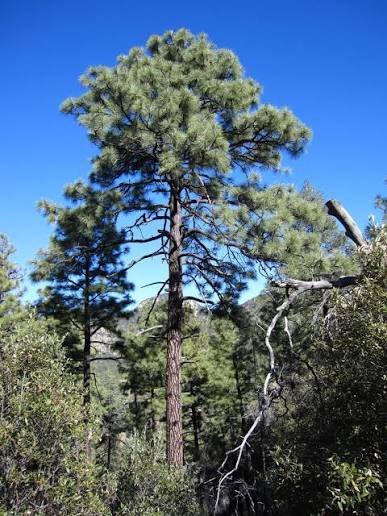
One of the most important stories the Oak trees know is the story of their struggle against the Chir Pine (Pinus roxburghii). Over the last century, due to human intervention and forest fires, the fire-prone Pine has been encroaching on the territory of the moisture-loving Oak.
-
The Pine’s Strategy: It grows fast, thrives in degraded soil, and its needles are highly flammable, which creates fires that kill Oak saplings but leave the Pine’s thick bark unharmed.
-
The Oak’s Strategy: It plays the "long game." It builds rich soil, creates shade, and fosters biodiversity.
At Misty Mountains Jhaltola, we are actively siding with the Oak. By protecting our 1,000-acre estate from fires and grazing, we are allowing the Oak to reclaim its ancestral land, ensuring a cooler, wetter, and safer environment for the generations to come.
The Architecture of Life: Who Lives in an Oak Tree?
An Oak tree in Jhaltola is not just a plant; it is a multi-story apartment complex for the wild.
The Canopy Residents
-
The Himalayan Langur: These silvery-grey primates are the primary residents of our Oak canopies. They rely on the young leaves and acorns (fruit) for nutrition.
-
The Great Hill Barbet: You will hear them before you see them. Their rhythmic "hoop-hoop" call is the soundtrack of the Oak forest. They nest in the hollows of old, dying Oak branches, proving that even in death, the Oak provides life.
-
The Moss and Orchids: Look closely at the branches of an Oak tree at Misty Mountains. They are draped in "Old Man's Beard" (Usnea lichen) and rare wild orchids. These epiphytes only grow where the air is pure and the humidity is high—making the Oak a living bio-indicator of our estate's health.
The "Acorn Cycle": A Century of Sustenance
The fruit of the Oak, the acorn, is the hidden currency of the Himalayan ecosystem. Every few years, in a phenomenon known as "masting," the Oak trees produce a massive surplus of acorns.
The Food Web
This surplus fuels the entire forest. Barking Deer (Kakar) and Wild Boars forage on the forest floor for fallen acorns, which are high in fats and tannins. Even the Himalayan Black Bear occasionally visits our lower buffer zones to feast on these energy-rich nuts before the winter chill sets in. By protecting the Oak, we are indirectly feeding the entire food chain of Jhaltola.
Folklore: The Sacred Link between the Kumaoni and the Banjh
In the villages of Berinag and Jhaltola, the Oak tree is woven into the very fabric of life. It is not just timber; it is a deity.
The Songs of the Grass-Cutters
Traditionally, Kumaoni women have been the primary guardians of the Oak forests. Their folk songs (Jagars) often mention the "Banjh" as a symbol of strength and motherhood. They know that if the Oak survives, their cattle will have fodder, their hearths will have firewood, and their children will have water. At Misty Mountains, we respect this local wisdom, integrating traditional conservation practices with modern eco-tourism.
The "Old Man's Beard" and the Science of Air Purity
One of the most striking visuals in our forest is the long, green-grey hair-like lichen hanging from the Oak branches. Locally called "Jhula," scientists know it as Usnea.
A Natural Air Purifier
This lichen is incredibly sensitive to air pollution. It absorbs nutrients directly from the air and moisture. If the air contains even a trace of sulfur dioxide or urban pollutants, the "Old Man's Beard" dies. The fact that our 1,000-acre estate is draped in this lichen is proof that you are breathing some of the cleanest air in India. It is a natural "Organic Certificate" that no laboratory can replicate.
Sensory Immersion: The "Oak Meditation" at Misty Mountains
We often encourage our guests to try a "Forest Bathing" (Shinrin-yoku) session in our Oak groves. This isn't a trek; it's a pause.
-
The Sound: Unlike the sharp "whistle" of the Pine needles, the broad Oak leaves create a deep, rustling "hush" that has been proven to lower cortisol (stress hormone) levels.
-
The Smell: The Oak forest has a distinct "earthy" aroma—a mix of damp moss, decaying leaves, and fresh oxygen.
-
The Sight: The sunlight filtering through the dense, dark green canopy creates a "mottled light" effect that is naturally soothing to the human eye.
Climate Change and the Sentinel’s Warning
The Oak trees of Jhaltola are also our climate sensors. Because they are so deeply linked to the water cycle, they are the first to react to the changing climate.
The Struggle at 7,000 Feet
In recent years, shorter winters and erratic monsoons have put pressure on the Oak. By maintaining a large, contiguous 1,000-acre private buffer, Misty Mountains acts as a "Lifeboat." While smaller, fragmented forests might struggle, our large-scale conservation ensures that the micro-climate remains stable, giving the Oak—and the species that depend on it—a fighting chance.
Sustainable Gastronomy: The Oak's Gift to the Kitchen
Even our Kumaoni kitchen at Misty Mountains owes a debt to the Oak.
-
The Indirect Flavor: The rich humus created by Oak leaves is what makes the local vegetables, like the Pahadi Palak (Spinach) and Lahi, so nutrient-dense and flavorful.
-
The Dairy Connection: The cattle in the surrounding villages are fed on Oak fodder, which gives the milk and Ghee a richness that is unmatched in the plains.
Frequently Asked Questions (FAQs)
Q1: Is the Oak forest at Jhaltola safe for solo walks?
A: While our estate is private and safe, we always recommend going with one of our naturalists. The forest is dense, and our guides can point out the subtle "stories" (like scratch marks on trees or rare birds) that you might otherwise miss.
Q2: When is the best time to see the Oak forest in its full glory?
A: The Monsoon (July - September) is when the forest is at its most emerald and lush. However, Winter (October - February) offers the best visibility for the mosses and lichens against the backdrop of the snow-clad Himalayas.
Q3: Can we take acorns or lichens back with us?
A: We follow a strict "Leave No Trace" policy. Everything in the forest belongs to the forest. We encourage you to take photos and memories, leaving the acorns for the deer and the lichens for the air.
Conclusion: Becoming a Part of the Sentinel’s Story
When you leave Misty Mountains Jhaltola, you don't just leave a resort. You leave a sanctuary that is held together by the roots of the Banj Oak. You take back with you a piece of the "Sentinel’s Wisdom"—the realization that true luxury isn't in marble floors, but in the rustle of a 100-year-old leaf and the purity of a forest-fed spring.
The Oak trees of Jhaltola have been here long before us, and with our collective care, they will be here long after. They are the true owners of this ridge. We are just lucky enough to be their guests for a few days.
Come, listen to what the Oak trees know.