Introduction to Birdwatching in Kumaon, Uttarakhand
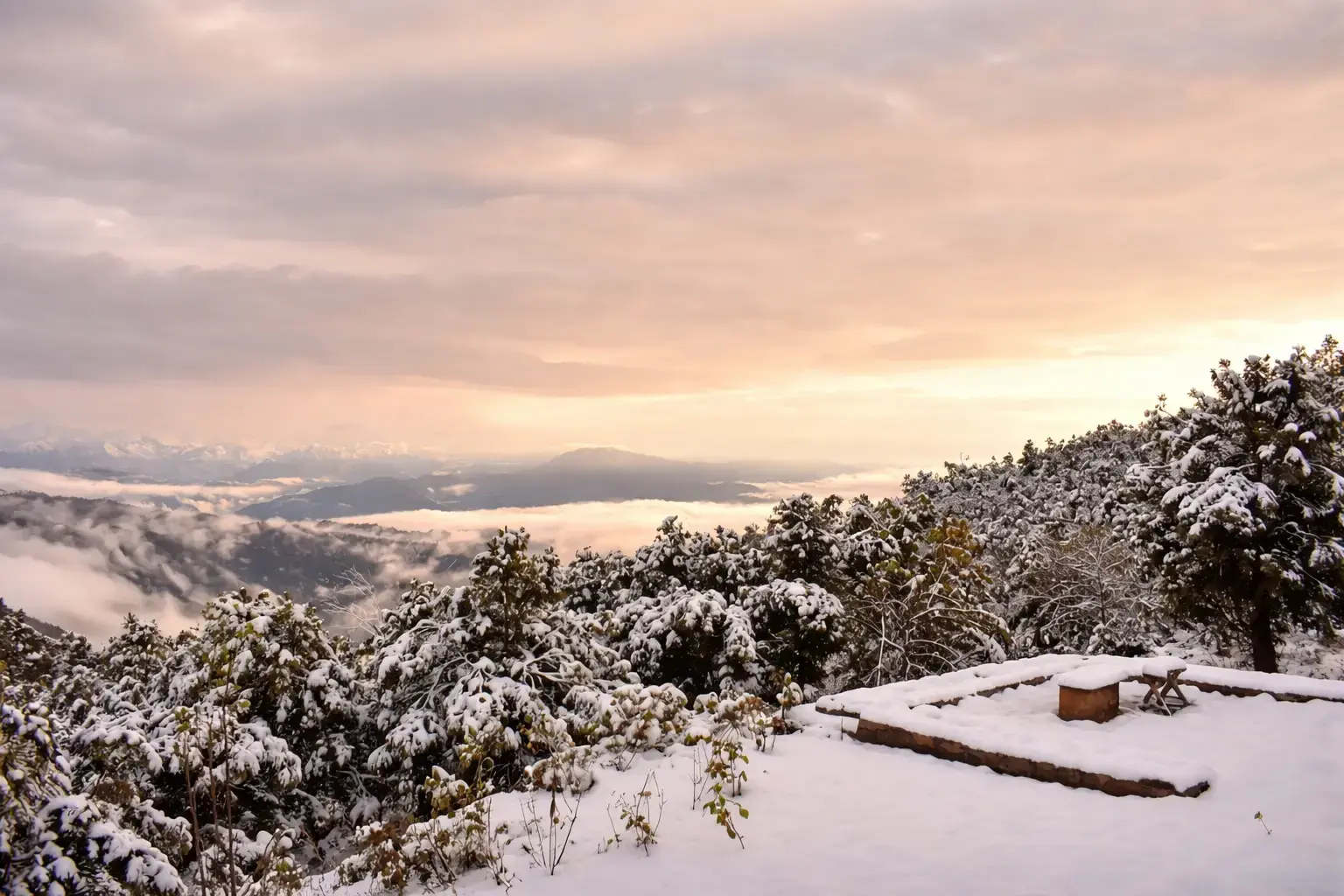
The Kumaon Himalayas are known for their breathtaking mountain views, green forests, traditional villages, and rich biodiversity. Beyond the famous Himalayan peaks, birdwatching in Kumaon, Uttarakhand, offers travellers an opportunity to discover a fascinating world of birds, forest habitats, and natural sounds. Every forest trail, quiet hillside, and tree-covered landscape can reveal something new about Himalayan wildlife.
For nature lovers, photographers, wildlife enthusiasts, and curious travellers, Kumaon birdwatching experiences provide more than an opportunity to spot beautiful birds. They help people understand the relationship between birds, trees, weather, and the surrounding ecosystem. Around Jhaltola and the wider Kumaon region, the natural landscape invites visitors to slow down, observe their surroundings, and appreciate the smaller details of mountain life.
Why Is Kumaon a Wonderful Destination for Birdwatching?
Birdwatching in Kumaon is rewarding because the region contains different elevations, vegetation types, and forest environments. Oak forests, pine-covered slopes, rhododendron woodland, open hillsides, and agricultural landscapes support different forms of wildlife. These varied habitats contribute to the rich bird diversity found across the Kumaon Himalayas.
According to Uttarakhand Tourism, Binsar Wildlife Sanctuary is home to approximately 200 species of resident and migratory birds. Nandhaur Wildlife Sanctuary also supports more than 200 bird species, demonstrating the region's remarkable biodiversity. These figures refer to the respective sanctuaries, rather than a confirmed count for Jhaltola.
Himalayan birdwatching in Uttarakhand can be enjoyed by beginners as well as experienced birders. Some visitors may recognise a bird by its colour, while others learn to identify it through its call, movement, feeding habits, or preferred habitat. The experience becomes more interesting when travellers understand that every bird plays a role in the natural environment.
Discover the Fascinating World of Himalayan Birds
The Himalayan birds of Kumaon include species adapted to different mountain environments, from lower forested areas to higher temperate habitats. Their appearance, behaviour, and calls reveal how wildlife adapts to changing temperatures, vegetation, food availability, and elevation.
Himalayan Monal, A Colourful Symbol of the Mountains
The Himalayan Monal, the state bird of Uttarakhand, is one of the most recognisable birds associated with the Himalayan region. The male has striking iridescent plumage, with metallic green, blue, and copper tones that can appear especially vivid in natural light. The female has more subdued colouring, which helps her blend into her surroundings.
The Himalayan Monal and Kumaon wildlife are closely associated with the broader mountain ecosystem. This bird is reported from several protected areas and forest divisions in Uttarakhand, including Askot Wildlife Sanctuary and parts of Pithoragarh district. However, its presence in the wider region does not guarantee sightings around Jhaltola.
Koklass Pheasant, A Remarkable Forest Bird
The Koklass Pheasant of the Himalayas is another fascinating bird associated with temperate mountain forests. It is known for its distinctive calls and relatively secretive behaviour. Because it can remain concealed among vegetation, hearing a call may be easier than spotting the bird itself.
For anyone interested in forest birdwatching in Kumaon, the Koklass Pheasant demonstrates why patience and careful listening are important. A successful birdwatching experience is not always about taking a photograph. Sometimes, understanding a bird's call and recognising its natural habitat is equally rewarding.
Other Birds to Learn About in Uttarakhand
The wider birdlife of Uttarakhand includes numerous species with different shapes, colours, feeding habits, and habitat preferences. Depending on the location, visitors may encounter woodpeckers, tits, flycatchers, thrushes, partridges, and other woodland birds.
Bird species vary between forest types, elevations, and seasons. Therefore, travellers exploring birdwatching destinations in Kumaon should treat every species as a possibility to learn about, rather than assuming that a particular bird will be present at every destination.
Understanding Forest Habitats and Himalayan Biodiversity
Forest habitats in Kumaon provide birds with food, shelter, nesting areas, and protection from harsh weather. Different trees support different forms of life, while fallen leaves, insects, seeds, berries, and other natural resources contribute to the forest food web.
Oak Forests and Their Importance for Birdlife
Oak forests in Uttarakhand are important components of the Himalayan landscape. Their branches, leaves, bark, and surrounding vegetation provide opportunities for birds to feed, rest, hide, and build nests. These forests also support insects and other organisms that form part of the natural food chain.
For travellers interested in Himalayan forest ecology, observing an oak tree can reveal an entire miniature ecosystem. A bird feeding among the branches, an insect moving across the bark, and fallen leaves decomposing on the forest floor all contribute to the ecological balance.
Pine Forests and Mountain Wildlife
Pine forests in Kumaon create another distinctive mountain habitat. Their open or needle-covered forest floors differ from those of dense broadleaf woodland, influencing the plants and wildlife that thrive there. Different birds use these environments for feeding, resting, and moving between habitats.
When exploring nature trails in Uttarakhand, visitors can compare the vegetation of pine-covered slopes with broadleaf forests. Such observations help explain why habitat diversity is important for maintaining healthy wildlife populations.
Why Biodiversity Matters
Himalayan biodiversity conservation is essential because birds are connected to the health of the wider ecosystem. Many species help disperse seeds, control insect populations, and contribute to ecological processes. Changes in forest cover, pollution, habitat disturbance, and climate can affect the availability of food and suitable nesting sites.
Learning about wildlife conservation in Kumaon encourages travellers to appreciate forests as living ecosystems rather than simply scenic backgrounds. Protecting natural habitats helps preserve the birds, plants, and wildlife that make the Himalayan landscape unique.
What Is the Best Time for Birdwatching in Kumaon?
The best time for birdwatching in Kumaon depends on the species, habitat, elevation, and weather conditions. Different seasons bring changes in bird activity, vegetation, food availability, and visibility, making every visit a slightly different experience.
Spring, A Season of Activity and Natural Change
Spring birdwatching in Uttarakhand, generally during the months when temperatures begin to rise, can offer opportunities to observe increased bird activity. As vegetation changes and many plants begin to grow or flower, the forest environment becomes more dynamic.
For travellers interested in Kumaon nature tourism, spring is also a wonderful time to observe seasonal changes in the landscape. Bird calls, fresh foliage, and the movement of wildlife can make early morning nature walks especially engaging.
Summer, A Time to Explore Mountain Forests
Summer birdwatching in Kumaon allows visitors to explore mountain trails and forest landscapes during the warmer months. Weather and visibility can vary with altitude, so choosing appropriate clothing, carrying water, and checking local conditions are important for a comfortable outing.
For people planning a summer nature trip to Uttarakhand, birdwatching can be combined with scenic walks, photography, and learning about local flora. The focus should remain on observing birds in their natural surroundings rather than expecting a fixed list of sightings.
Monsoon, When Forests Become Lush
Monsoon nature experiences in Kumaon reveal a greener side of the Himalayas. Rainfall refreshes the vegetation, clouds move across the hills, and forest landscapes take on a different character. However, heavy rain, slippery paths, and reduced visibility can make outdoor birdwatching more challenging.
Travellers interested in birdwatching during the monsoon in Uttarakhand should check weather forecasts, avoid unsafe trails, and respect any local restrictions. Observation from a safe, sheltered location may be preferable when conditions are difficult.
Autumn and Winter, A Different Himalayan Landscape
Autumn and winter birdwatching in Kumaon offer changing scenery, cooler mornings, and different patterns of bird activity. Some species move between elevations or migrate seasonally, while others remain in their established habitats throughout the year.
During a winter trip to Kumaon, visitors can pay attention to bird calls, movement among branches, and the differences between open slopes and sheltered forest areas. Sightings depend on the location and conditions, so patience and realistic expectations are essential.
How to Identify Birds During a Kumaon Nature Walk
Bird identification in Kumaon becomes easier when travellers observe several characteristics instead of relying only on colour. A small bird moving quickly through dense leaves may be difficult to photograph, but its call, size, movement, and feeding behaviour can provide useful clues.
Listen Carefully to Bird Calls
Bird calls in Himalayan forests are an important part of the natural environment. Some birds produce short repeated notes, while others have longer or more complex calls. Listening carefully can help observers notice birds that remain hidden behind branches or foliage.
For beginners learning birdwatching in Uttarakhand, it is useful to pause occasionally during a walk and listen without speaking. Over time, familiar calls may become easier to recognise, although accurate identification often requires comparing several features.
Observe Colour, Shape, and Movement
Identifying Himalayan birds involves looking at body size, beak shape, tail length, wing markings, and movement. A bird searching for insects along a branch behaves differently from one feeding on the ground or collecting nectar from flowers.
Travellers exploring Kumaon birdlife can maintain a simple notebook to record these observations. Notes about the location, approximate time, habitat, and visible features can help with identification later.
Use Binoculars and a Bird Guide
Birdwatching equipment for beginners does not need to be complicated. A comfortable pair of binoculars, a notebook, a pencil, and a reliable bird identification guide can make a nature walk more informative.
For bird photography and bird identification in Kumaon, a camera with a suitable zoom lens can also be helpful. However, equipment should never become more important than the bird's comfort or the safety of the observer.
Responsible Birdwatching, Protecting Nature While Exploring
Responsible birdwatching in Uttarakhand means enjoying wildlife without changing its natural behaviour. Birds need undisturbed areas for feeding, resting, nesting, and raising their young. Even well-intentioned visitors can create stress if they approach too closely or make excessive noise.
Follow these simple practices during birdwatching trips in Kumaon:
-
Maintain a respectful distance from birds and nests.
-
Avoid loud conversations, sudden movements, and unnecessary disturbance.
-
Never chase birds to obtain a photograph.
-
Do not play recorded bird calls repeatedly to attract wildlife.
-
Avoid feeding wild birds processed food or other unsuitable items.
-
Stay on safe, permitted paths and follow local forest regulations.
-
Carry back all litter and avoid damaging plants or branches.
-
Use binoculars or a zoom lens instead of approaching wildlife.
Wildlife conservation in Kumaon begins with small, responsible choices. When travellers observe nature without disturbing it, they help protect the very experiences that make the Himalayan region special.
Bird Photography in Kumaon, Capturing Nature Without Disturbance
Bird photography in Kumaon allows nature enthusiasts to document feather patterns, natural behaviour, and the relationship between birds and their habitats. Morning light can help reveal details, while a quiet approach makes it easier to observe wildlife behaving naturally.
For better Himalayan bird photography, use natural light whenever possible, avoid sudden movements, and keep a respectful distance. A photograph does not need to show every feather to tell a meaningful story. Sometimes, an image of a bird resting among oak branches or moving through a pine forest captures the atmosphere of the mountains beautifully.
Photographers exploring nature tourism in Uttarakhand should also remember that wildlife photography requires patience. A bird may appear for only a few seconds, remain hidden for a long time, or never appear during a particular walk. Respecting these natural uncertainties is part of the experience.
Exploring Birdwatching Around Jhaltola and Kumaon
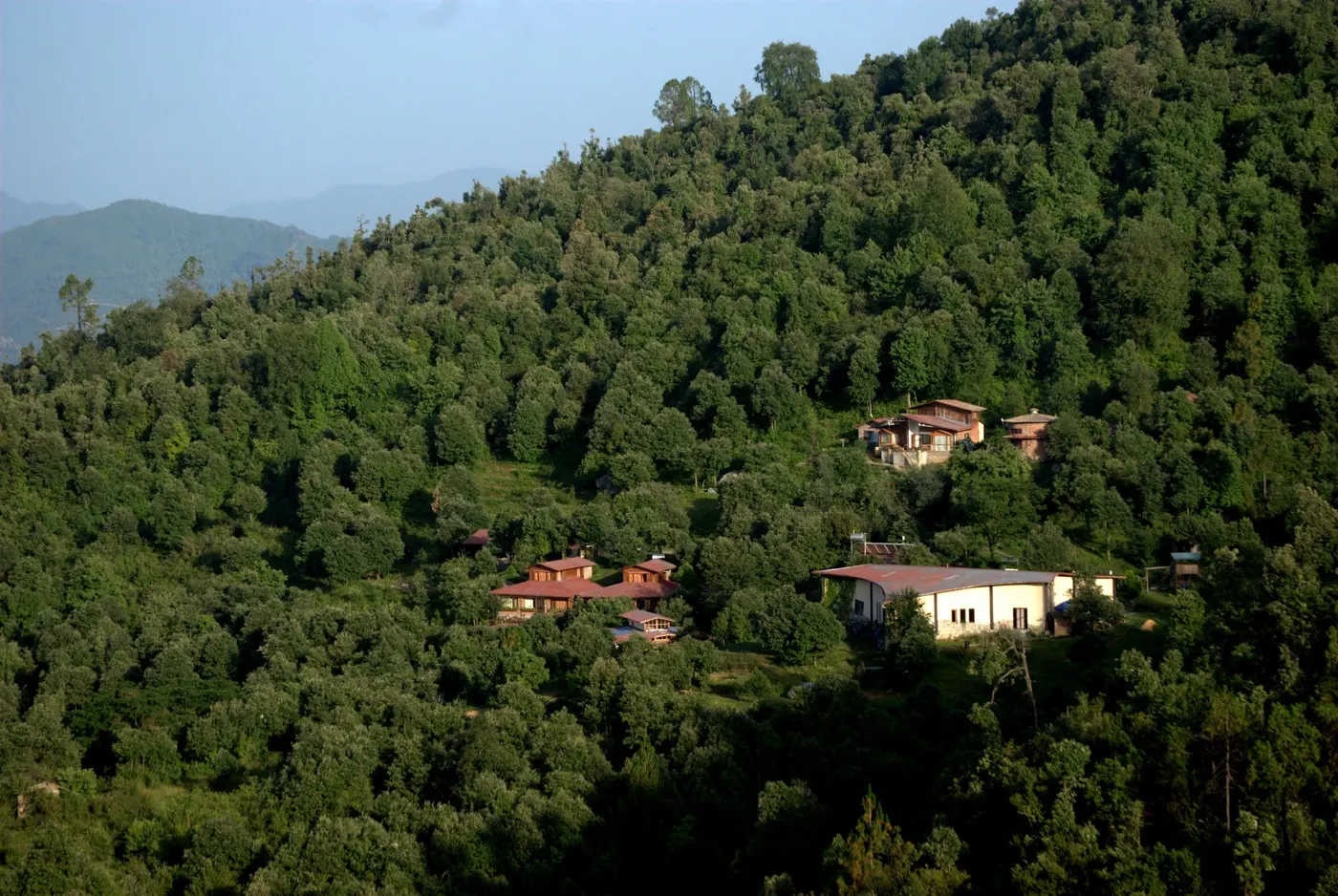
Jhaltola, Kumaon, offers travellers a mountain setting from which to appreciate the region's landscapes and natural surroundings. The wider Kumaon area includes forests, rural settlements, open hillsides, and varied terrain, creating opportunities for nature-focused exploration.
A stay at Misty Mountain Jhaltola can be an opportunity to spend time outdoors, observe the changing mountain scenery, and learn more about local biodiversity. Travellers interested in birdwatching should explore only suitable, accessible routes and ask locally about current conditions, responsible walking options, and reliable bird guides.
Although the wider Kumaon region supports diverse birdlife, specific species should not be assumed to occur directly around the property without confirmed local observations. Keeping a record of actual sightings can help visitors build a more accurate picture of birdwatching opportunities around Jhaltola.
For those planning a longer Kumaon wildlife and nature trip, established birdwatching destinations such as Binsar Wildlife Sanctuary offer additional opportunities to explore the region's biodiversity. Visitors should check access requirements, local guidance, and travel conditions before planning excursions.
Turn a Mountain Holiday into a Learning Experience
Nature tourism in Kumaon offers a valuable opportunity to combine travel with learning. Children can discover how birds build nests and find food, photographers can develop their observation skills, and adults can learn about forest ecosystems and conservation.
A simple birdwatching walk in Uttarakhand can become an educational activity for the whole family. Identifying a bird's call, noticing its movement, or recognising different trees encourages curiosity about the natural world. These small discoveries can make a mountain holiday more meaningful than sightseeing alone.
For travellers staying at Misty Mountain Jhaltola, taking time to appreciate the landscape can add another dimension to the experience. The mountains are not only defined by their views, but also by the life moving quietly through their forests and fields.
Discover the Hidden Beauty of Kumaon with Misty Mountain Jhaltola
Misty Mountain Jhaltola invites travellers to appreciate the quieter side of the Kumaon Himalayas. The region's mountain scenery, rural landscapes, and natural surroundings provide a setting for those who value outdoor exploration and meaningful travel experiences.
Whether you are interested in birdwatching in Kumaon, Himalayan wildlife, nature photography, or learning about forest biodiversity, approaching the mountains with curiosity can make every walk more rewarding. Bring binoculars if you have them, keep your eyes open, listen carefully, and allow nature to reveal itself at its own pace.
The real beauty of Kumaon nature tourism lies in the details that many travellers overlook. A distant bird call, a flash of colour between the trees, or the movement of leaves in the morning breeze can become a memorable part of your journey.
Visit Misty Mountain Jhaltola and discover a different side of Uttarakhand, where the beauty of the Himalayas extends beyond the mountain views and into the fascinating world of birds, forests, and nature.