
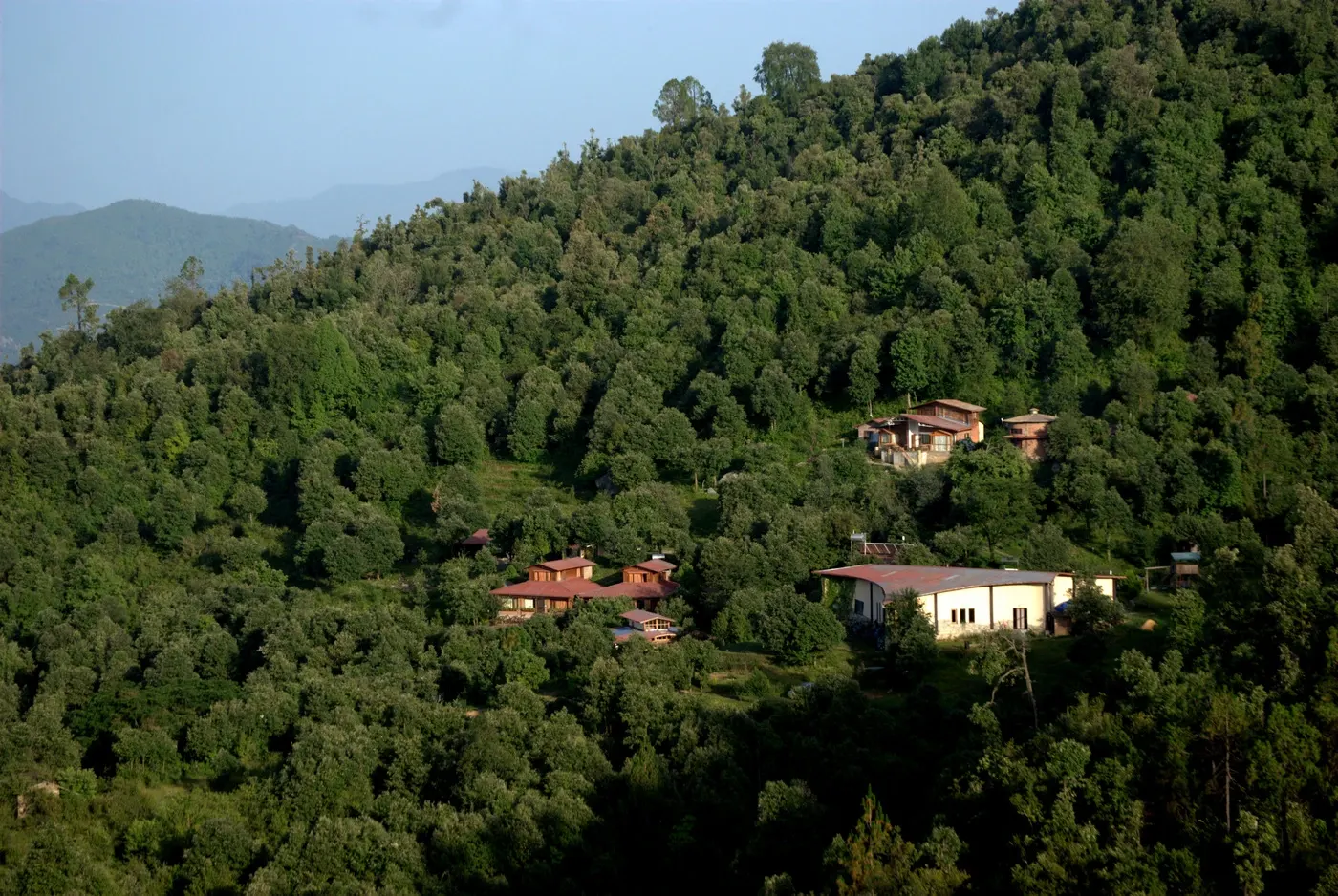
The Living Heritage of Kumaon
The Kumaon region of Uttarakhand is known for its Himalayan landscapes, distinctive cultural traditions, and communities whose everyday knowledge forms an important part of mountain life. Beyond the scenic beauty of the Kumaon Himalayas, there are stories of traditional craftsmanship, local food preparation, farming practices, weaving, and skills passed from one generation to another.
In places such as Jhaltola, these traditions offer a meaningful way to understand the region beyond its mountain views. The story of Kumaoni heritage is not limited to old buildings or historical records. It also lives in the hands of people who prepare traditional meals, work with local materials, maintain family customs, and share their knowledge with younger generations.
For visitors exploring Jhaltola and the wider Kumaon region, discovering these everyday skills can create a deeper connection with local culture. At Misty Mountain, Jhaltola, this perspective offers an opportunity to appreciate the people, traditions, and cultural identity that make the Kumaon Himalayas special.
1. Traditional Craftsmanship in Kumaon: Skills Shaped by Everyday Life
Traditional craftsmanship in Kumaon reflects the relationship between local communities, available materials, practical needs, and cultural expression. Across Uttarakhand, different communities have developed skills associated with woodwork, wool, textiles, metalwork, and other forms of handmade production.
These crafts are more than decorative objects because they can represent years of practice, patience, and knowledge. A handmade item may require an understanding of materials, careful preparation, and techniques learned through observation and experience.
However, traditional crafts are not identical across every Kumaoni village. Their presence and importance vary by locality, family, and community. Anyone exploring traditional craftsmanship in Jhaltola should learn directly from local artisans before attributing a particular craft to the area.
For travellers visiting Kumaon, meeting artisans and learning how their work is created can offer a more personal understanding of the region's living cultural heritage.
2. Kumaoni Farming Traditions: Knowledge Rooted in the Land
Agriculture has an important place in the lives of many rural communities across Kumaon. Mountain farming requires practical knowledge of the land, seasonal conditions, water availability, and the crops suited to individual fields and locations.
Traditional farming knowledge may include preparing fields, selecting seeds, maintaining terraces where they are used, managing soil, and timing agricultural activities according to local conditions. Much of this knowledge develops through experience and observation over many years.
Across Uttarakhand, traditional crops include millets such as mandua, also known as finger millet, as well as locally grown pulses and other seasonal produce. The crops cultivated in a particular village depend on its elevation, climate, soil, and agricultural practices.
Understanding Kumaoni farming traditions helps visitors recognise the work behind the food served in mountain communities. It also highlights the importance of local agricultural knowledge in sustaining rural livelihoods.
At Misty Mountain, Jhaltola, any story about nearby farms, traditional cultivation, or locally sourced ingredients should reflect practices that are genuinely present in the surrounding community.
3. Kumaoni Cuisine: Recipes That Carry Generations of Knowledge
Traditional Kumaoni cuisine is an important expression of the region's cultural identity. Local food reflects agricultural practices, seasonal ingredients, household preferences, and cooking knowledge shared within families.
Dishes associated with Kumaoni cuisine include bhatt ki churkani, a preparation made with black soybeans, and mandua roti, made using finger millet flour. Other familiar regional preparations include aloo ke gutke and different lentil-based dishes, although recipes and serving traditions can vary between households.
The knowledge behind traditional cooking includes understanding ingredients, balancing flavours, preparing grains and pulses, and knowing how different dishes are made. These everyday skills are often learned through observation and hands-on practice rather than formal instruction.
Food traditions also bring people together. Preparing a meal can involve several family members, shared responsibilities, and recipes that carry personal memories from one generation to another.
For visitors interested in Kumaoni food culture, learning about the ingredients and preparation methods behind regional dishes can make a mountain stay more meaningful. At Misty Mountain, Jhaltola, local cuisine should be presented through authentic recipes and ingredients that are actually available and prepared at the property.
4. Wool, Weaving and Handmade Textiles in Uttarakhand
Wool and textile traditions form part of the wider cultural heritage of Uttarakhand, although specific practices differ between communities and regions. In areas where wool processing and weaving are practised, these skills can involve preparing fibres, spinning yarn, selecting patterns, and producing useful textiles.
Handmade textiles require attention to detail and an understanding of materials. Depending on the tradition, the finished product may serve a practical purpose by providing warmth or may carry distinctive colours and patterns associated with a particular community.
It is important to recognise that not every textile tradition found in Uttarakhand is practised in every part of Kumaon. Claims about a particular weaving style, artisan group, or handmade product in Jhaltola should therefore be supported by local evidence.
Exploring genuine textile traditions can help travellers appreciate the skill behind handmade clothing and household items. It can also encourage respect for artisans whose work preserves knowledge that cannot always be replaced by mass-produced alternatives.
5. Traditional Homes and the Knowledge Behind Mountain Architecture
Traditional architecture across the Kumaon Himalayas reflects the need to adapt buildings to local landscapes, available materials, weather conditions, and household requirements. Older homes in different parts of the region may feature stone, timber, slate, or other locally available materials, depending on the location and period of construction.
Building a home in a mountainous area requires practical knowledge of the site, construction methods, drainage, and the way materials respond to local weather. Traditional building practices developed within specific environmental and cultural contexts rather than following one universal design.
The skills of masons, carpenters, and other craftspeople have played a role in constructing and maintaining homes across the region. Their work can include shaping materials, fitting structural elements, repairing walls, and maintaining roofs.
For people visiting Jhaltola, understanding traditional Kumaoni architecture offers another way to appreciate the relationship between mountain communities and their surroundings.
Any discussion of traditional houses near Misty Mountain should be based on actual examples in the area, with care taken not to assume that every historic building follows the same construction style.
6. The Importance of Local Knowledge in Mountain Life
Everyday knowledge is an important part of cultural heritage in rural Kumaon. People develop an understanding of their surroundings through years of experience, whether they are working in fields, preparing food, maintaining homes, or using locally available resources.
This knowledge is often practical and specific to a place. Understanding when to undertake agricultural work, how to store ingredients, how to repair household items, or how to prepare familiar regional dishes can make a real difference to everyday life.
Such skills deserve recognition because they demonstrate observation, adaptation, and experience. They also remind visitors that mountain communities have their own knowledge systems, developed in response to the conditions in which people live.
At the same time, local knowledge should not be romanticised or treated as though every community follows the same customs. The most accurate way to understand Kumaoni traditions is to listen to the people who practise them and learn about their experiences in their own words.
For Misty Mountain, Jhaltola, sharing these perspectives can help readers appreciate the cultural richness of the Kumaon region without relying on stereotypes or unsupported claims.
7. Folk Songs, Oral Stories and Cultural Memory
Folk music and oral storytelling are important elements of Uttarakhand's cultural heritage. Across the region, traditional songs and stories can express experiences connected with family life, local history, festivals, relationships, work, and the natural environment.
Oral traditions are particularly valuable because they carry memories and perspectives that may not always appear in written records. Their meanings can depend on the community, occasion, language, and context in which they are shared.
Kumaoni cultural traditions include regional folk songs and forms of storytelling, but the specific songs, instruments, and customs associated with one locality should not automatically be attributed to another.
Listening to local residents describe the songs and stories they remember can provide a more authentic understanding of cultural life in Jhaltola. It also creates space for younger generations and visitors to learn about traditions through the people who know them best.
For travellers exploring Kumaon, these cultural encounters can reveal another dimension of the region beyond its landscapes and tourist attractions.
8. Festivals and Family Traditions in Kumaon
Festivals and family customs form an important part of cultural life across Kumaon. Celebrations can bring families and communities together through shared meals, religious observances, music, decorations, and other local practices.
The traditions associated with a festival may differ between villages and households. The way a family celebrates, the dishes it prepares, and the customs it follows can reflect local beliefs, family history, and personal experience.
Learning about these practices requires attention to the people who observe them. Rather than assuming that a particular custom is followed throughout Kumaon, it is more accurate to explore how local residents describe their own celebrations.
For visitors to Jhaltola, understanding the cultural meaning behind a festival can make a visit more respectful and informative. It also encourages travellers to recognise that local traditions are living practices rather than performances created solely for tourism.
At Misty Mountain, Jhaltola, festival-related content can be especially meaningful when it reflects celebrations genuinely observed by the owner, staff, or nearby community.
9. The People Behind Traditional Skills
Traditional skills survive because people continue to practise, adapt, and share them. Artisans, farmers, cooks, builders, and other skilled community members contribute to the everyday cultural life of rural Kumaon in different ways.
Their work often requires more than technical ability. It may involve choosing suitable materials, understanding local conditions, solving practical problems, and making decisions based on years of experience.
Recognising these contributions is important because cultural heritage is not preserved by objects alone. It is also preserved through the people who understand how those objects are made, how particular recipes are prepared, and why certain customs matter to their families or communities.
A meaningful account of Kumaoni heritage should give these individuals a voice. With their permission, conversations about their work, learning experiences, and memories can help document skills that might otherwise receive little attention.
For Misty Mountain, Jhaltola, local interviews could provide a valuable foundation for future stories about the people and traditions connected with the area.
10. How Traditional Skills Can Be Preserved for Future Generations
Preserving traditional skills in Kumaon requires more than celebrating the past. It involves creating opportunities for knowledge to be shared, practised, and valued in the present.
Families can pass on recipes, craft techniques, agricultural knowledge, and cultural stories through everyday participation. Community groups, educational initiatives, and responsible cultural programmes may also help people learn about local traditions where such activities are available.
Supporting local artisans by purchasing authentic handmade products can provide practical recognition for their work. Visitors can also contribute by asking questions respectfully, following local guidance, and avoiding the assumption that traditional knowledge should always be freely demonstrated or shared.
Documentation can play an important role as well. With permission, photographs, interviews, and written accounts can preserve the experiences of people who practise traditional skills. Such records should identify their sources accurately and respect the wishes of the individuals involved.
For Kumaon, the continued value of traditional skills lies in their connection to real people and communities. Their preservation should support the people who maintain these traditions rather than treating their knowledge as simply another tourist attraction.
11. Responsible Cultural Tourism in Jhaltola, Kumaon
Responsible tourism provides an opportunity to learn about local culture while respecting the people and places that make a destination distinctive. In Jhaltola, visitors interested in Kumaoni traditions can begin by learning about the area's actual cultural practices and listening to local perspectives.
Buying authentic local products, where available, can help visitors appreciate the work involved in traditional craftsmanship. Choosing locally prepared food, when offered, can introduce travellers to regional ingredients and cooking methods. Conversations with residents should always take place with respect for their time, privacy, and willingness to participate.
It is equally important not to present a community's traditions as unchanging or uniform. Skills evolve, younger generations make their own choices, and people may adapt traditional practices to meet modern needs.
For Misty Mountain, Jhaltola, responsible storytelling means representing the surrounding community accurately and avoiding claims about local crafts, cultural experiences, or village activities that have not been verified.
This approach can help travellers develop a more thoughtful connection with Kumaon and understand the importance of respecting the region's living heritage.
12. Discovering Kumaon Beyond Its Mountain Views
The Kumaon Himalayas attract visitors through their landscapes, but the region's cultural identity offers another reason to explore it thoughtfully. Traditional food, craftsmanship, farming knowledge, architecture, and oral traditions can help visitors understand how people have developed ways of living within their local environments.
For someone staying at Misty Mountain, Jhaltola, this perspective encourages a different kind of discovery. Instead of focusing only on the scenery, visitors can learn about the regional culture that gives the wider landscape its human story.
The most meaningful cultural experiences are often those grounded in genuine local knowledge. A conversation with an artisan, an explanation of a traditional recipe, or an account of a family's customs can provide insights that a general travel guide cannot offer.
Not every skill or tradition will be present in every village, and that diversity is part of what makes cultural exploration valuable. Learning about the specific traditions practised in and around Jhaltola can help visitors form a more accurate understanding of the destination.
By connecting mountain travel with respect for local heritage, Misty Mountain can encourage visitors to explore Kumaon with curiosity, care, and appreciation.
The Hands That Keep Kumaon Alive
The cultural heritage of Kumaon is carried forward through the everyday work of people who practise traditional skills, share family knowledge, and maintain connections with their communities. From regional cooking and agricultural knowledge to craftsmanship, architecture, and oral storytelling, these practices offer a deeper understanding of life in the Uttarakhand Himalayas.
For Jhaltola, the most meaningful stories will come from the people who live in the area and those who genuinely know its traditions. Their experiences can help distinguish practices that are specific to the locality from customs found elsewhere in Kumaon or Uttarakhand.
At Misty Mountain, Jhaltola, this provides an opportunity to tell a thoughtful story about the region that goes beyond mountain scenery. By listening to local residents, recognising skilled work, and documenting traditions accurately, the retreat can help visitors appreciate the people behind Kumaon's living heritage.
The hands that keep Kumaon alive belong to people whose knowledge, experience, and everyday work deserve to be recognised. Their stories are an essential part of understanding the hills, and preserving those stories begins by listening to the people who carry them forward.