
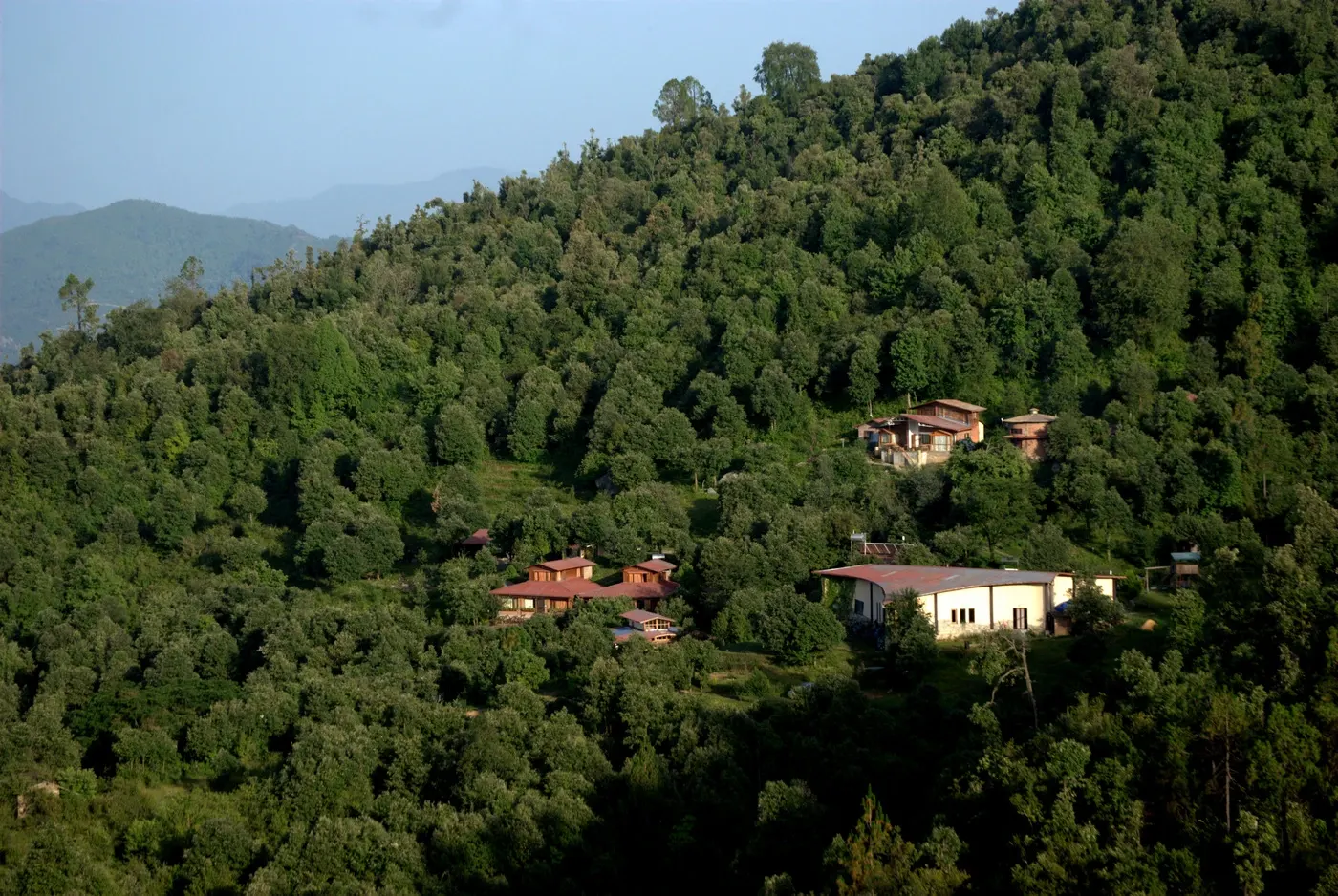
Jhaltola, nestled in the beautiful landscapes of Kumaon, offers more than breathtaking Himalayan views and peaceful mountain surroundings. It is also a wonderful place to appreciate the natural diversity of the Himalayan region. From birds calling through forest canopies to colourful species moving between branches, the forests of Kumaon create fascinating experiences for nature enthusiasts and birdwatchers.
For travellers who enjoy discovering wildlife, exploring forest trails, and spending time close to nature, Jhaltola offers an opportunity to experience the quieter side of Uttarakhand. Birdwatching here is not simply about spotting different species. It is about understanding nature, observing wildlife responsibly, and appreciating the delicate relationship between forests and the creatures that inhabit them.
1. Jhaltola: A Beautiful Destination for Birdwatching in Kumaon
Jhaltola is surrounded by natural landscapes that make the region appealing to nature lovers. Its forested surroundings, mountain vegetation, and peaceful environment provide opportunities to observe Himalayan birdlife.
The Kumaon region is known for its varied bird habitats, ranging from forest-covered hills to agricultural landscapes and mountain valleys. These different environments support diverse bird communities.
For travellers searching for birdwatching destinations in Uttarakhand, exploring the forests around Jhaltola can be a rewarding experience. Every walk offers an opportunity to notice different calls, movements, colours, and behaviours in the natural surroundings.
Unlike conventional sightseeing, birdwatching encourages visitors to slow down and observe the environment carefully.
2. Understanding the Rich Birdlife of the Himalayas
The Himalayan region supports remarkable bird diversity because of its varied elevations, vegetation, and climatic conditions. Different habitats provide food, shelter, and nesting opportunities for numerous bird species.
The forests of Kumaon are associated with several fascinating Himalayan birds, including:
-
Himalayan Monal: Known for its colourful plumage, it is the state bird of Uttarakhand.
-
Koklass Pheasant: A forest-dwelling pheasant found in Himalayan habitats.
-
Kalij Pheasant: Recognised by its distinctive appearance and association with forest environments.
-
Himalayan Bulbul: A familiar Himalayan bird often noticed around trees and gardens.
-
Verditer Flycatcher: Known for its beautiful blue-green colour.
-
Great Barbet: A striking bird recognised by its colourful appearance and loud calls.
-
Rufous Sibia: A lively Himalayan bird often associated with wooded landscapes.
Bird sightings depend on habitat, season, weather, and local conditions. Not every species will necessarily be visible during a particular visit.
For birdwatching enthusiasts exploring Kumaon, learning about these species makes every outdoor experience more interesting.
3. Forests: The Natural Homes of Himalayan Birds
Forests play an essential role in supporting Himalayan biodiversity. They provide birds with nesting spaces, natural food sources, shelter, and protection from environmental disturbances.
The Kumaon landscape includes different forest types, with oak, pine, and other native vegetation supporting a variety of wildlife.
Each forest layer offers different opportunities for birds. Some species search for insects along tree trunks, while others feed on fruits, seeds, and flowers. Certain birds prefer dense vegetation, whereas others are easier to notice around forest edges and open spaces.
Exploring forest trails near Jhaltola allows travellers to appreciate how closely birdlife depends on healthy natural habitats.
A peaceful nature retreat in Kumaon can offer the perfect opportunity to observe these surroundings without disturbing the wildlife.
4. The Art of Birdwatching: Learning to Observe Nature
Birdwatching is an activity that requires patience, attention, and curiosity. Unlike activities that depend on physical adventure, birdwatching encourages people to remain still and observe their surroundings.
Beginners can start by listening to bird calls, noticing movement between branches, and identifying birds through their colours and physical features.
A few useful birdwatching practices include:
-
Carrying binoculars for observing birds from a distance.
-
Using a bird identification guide to recognise different species.
-
Maintaining silence near forest habitats.
-
Wearing comfortable clothing suitable for walking outdoors.
-
Avoiding sudden movements that may disturb wildlife.
-
Recording observations through photographs or a birdwatching journal.
For anyone interested in birdwatching in Uttarakhand, these simple practices can make the experience more enjoyable and responsible.
5. Why Early Mornings Are Special for Birdwatching
Early mornings often provide wonderful opportunities for observing birds. Many species become active during the morning hours as they search for food, communicate through calls, and move between feeding areas.
The quiet atmosphere of a Himalayan morning makes it easier to notice sounds coming from the surrounding trees and forests.
At Jhaltola, mornings can be especially beautiful because of the fresh mountain air, changing sunlight, and peaceful natural surroundings.
Birdwatchers can enjoy the experience by beginning their walks early, remaining patient, and observing the environment without disturbing its natural rhythm.
A peaceful mountain stay in Uttarakhand makes it easier to appreciate these simple yet memorable experiences.
6. Seasonal Changes and Their Influence on Birdlife
The changing seasons influence bird activity, food availability, and movement throughout the Himalayan region.
Spring brings fresh vegetation, flowering plants, and increased natural activity. Summer offers opportunities to observe birds around forest habitats and water sources. During autumn, changing temperatures and vegetation create a different atmosphere across the mountains.
Winter can also bring interesting birdwatching opportunities, including the presence of seasonal visitors in suitable habitats.
Some Himalayan birds are resident species, while others move seasonally depending on food availability, weather, and breeding requirements.
For travellers planning birdwatching trips in Kumaon, understanding seasonal changes can help create more realistic expectations.
7. Bird Photography: Capturing the Beauty of Himalayan Wildlife
Bird photography combines patience, observation, and an appreciation for nature. The forests and mountain landscapes of Kumaon offer beautiful settings for wildlife photography.
Capturing a bird in its natural environment requires more than a good camera. Photographers must understand bird behaviour, maintain a respectful distance, and avoid disturbing nesting or feeding activities.
A few helpful bird photography tips include:
-
Use a telephoto lens to photograph birds from a distance.
-
Prefer natural lighting whenever possible.
-
Avoid using flash around wildlife.
-
Keep movements slow and quiet.
-
Never approach nests or disturb breeding birds.
-
Respect restricted areas and local conservation guidelines.
For photography enthusiasts visiting Jhaltola, birdwatching can become an opportunity to capture the natural beauty of Kumaon while learning about Himalayan biodiversity.
8. Birdwatching as a Way to Reconnect with Nature
Modern lifestyles often leave little time for observing the natural world. Birdwatching provides an opportunity to step away from daily distractions and develop a deeper connection with the environment.
Listening to birds, watching their movements, and understanding their behaviour can make even a short forest walk meaningful.
This activity can be enjoyed by families, couples, solo travellers, photographers, and nature enthusiasts.
A nature retreat in Uttarakhand offers an ideal setting for such experiences. Instead of following a busy sightseeing schedule, visitors can spend time outdoors and appreciate the natural surroundings at their own pace.
At Misty Mountain, Jhaltola, the peaceful mountain atmosphere creates an opportunity to enjoy nature beyond ordinary travel experiences.
9. The Importance of Protecting Himalayan Bird Habitats
Birds are an important part of healthy ecosystems. They contribute to natural processes such as seed dispersal, insect population control, and pollination.
However, habitat loss, deforestation, pollution, climate change, and human disturbance can affect bird populations.
Protecting the forests of Kumaon is essential for preserving the region's biodiversity. Responsible tourism can contribute by encouraging visitors to respect wildlife and minimise their environmental impact.
Travellers can support bird conservation by avoiding littering, reducing plastic waste, staying on designated trails, and never feeding wild birds.
Choosing responsible nature retreats and supporting local conservation awareness also helps promote sustainable tourism in Uttarakhand.
The future of Himalayan birdlife depends on protecting the natural habitats that allow these species to survive.
10. Misty Mountain, Jhaltola: Experience the Peaceful Side of Kumaon
A visit to Kumaon becomes more meaningful when travellers have time to appreciate the natural surroundings. Misty Mountain, Jhaltola, offers a peaceful mountain setting surrounded by the beautiful landscapes of Upper Kumaon.
Away from the busy atmosphere of commercial tourist destinations, visitors can enjoy forest surroundings, mountain views, fresh air, and the warmth of authentic Pahadi hospitality.
For travellers interested in birdwatching in Kumaon, staying in a peaceful natural environment can make early morning observations and outdoor exploration more convenient.
Whether you enjoy photography, nature walks, Himalayan landscapes, or simply listening to birds in the surrounding forests, Misty Mountain provides a setting to appreciate the quieter beauty of mountain living.
It is an opportunity to experience a different side of Uttarakhand, where nature becomes an important part of the journey.
11. Tips for Planning a Birdwatching Trip to Jhaltola
A little preparation can make a birdwatching experience more comfortable and rewarding.
Here are some useful suggestions for travellers:
-
Choose Suitable Timings: Early mornings are often productive for birdwatching.
-
Carry Binoculars: They help observe birds without approaching them.
-
Wear Comfortable Clothing: Choose suitable footwear and clothing for forest walks.
-
Learn About Local Species: Familiarise yourself with common Himalayan birds before travelling.
-
Respect Wildlife: Avoid loud noises, feeding birds, or disturbing nesting areas.
-
Check Local Conditions: Weather and trail accessibility can change in mountain regions.
-
Travel Responsibly: Keep natural surroundings clean and respect local communities.
These simple preparations can help visitors enjoy birdwatching while protecting the natural beauty of Kumaon.
Discover the Living Beauty of Jhaltola
The beauty of the Himalayas is not limited to snow-covered peaks, green valleys, and scenic mountain roads. It also exists in the colourful birds, forest sounds, and countless natural interactions that bring these landscapes to life.
Jhaltola offers an opportunity to appreciate this quieter side of Uttarakhand through nature observation, forest exploration, and peaceful mountain experiences.
For travellers searching for birdwatching in Kumaon, a nature retreat in Uttarakhand, or a peaceful mountain stay in Jhaltola, this destination offers a wonderful opportunity to reconnect with the natural world.
At Misty Mountain, Jhaltola, every morning brings a chance to experience the mountains differently. Listen to the birds, appreciate the forests, and discover the beauty of Himalayan nature.
Misty Mountain, Jhaltola. Where the mountains are alive with nature, and every sound tells a story.