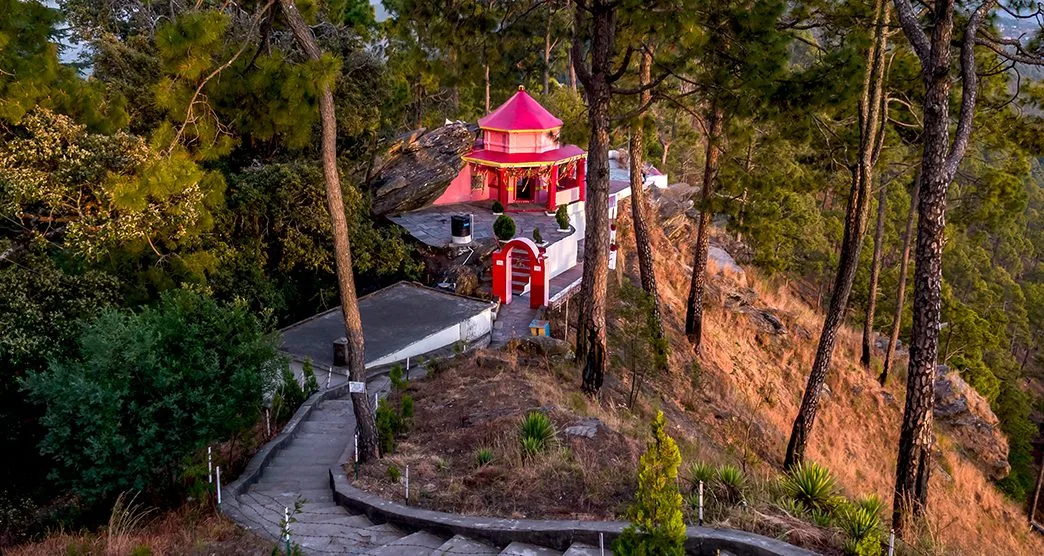
Kasar Devi Temple near Chaukori is one of the most distinctive spiritual places in Kumaon, known for its ancient Devi shrine, Himalayan landscape, local traditions and long association with meditation.
For travellers staying at Misty Mountain, Kasar Devi offers a meaningful Kumaon experience where temple heritage, village life, pine forests and mountain views come together naturally.
Unlike many famous Uttarakhand temples, Kasar Devi Temple is not known primarily for a grand structure, but for the quiet setting, old traditions and spiritual atmosphere surrounding the shrine.
The official Almora district tourism website identifies Kasar Devi as a village near Almora and records the temple structure as dating to the 2nd century CE.
Where Is Kasar Devi Temple?
Kasar Devi Temple is located in Kasar Devi village in Almora district, Uttarakhand, on a forested Himalayan ridge overlooking the surrounding Kumaon landscape.
The Kasar Devi Temple location near Almora has made the village an easy destination for travellers looking for a peaceful spiritual place away from the busier parts of Almora.
The temple is also associated with Crank’s Ridge, the pine-covered ridge that became known internationally because of artists, writers, spiritual seekers and travellers who spent time in the area.
For visitors travelling through Kumaon, Kasar Devi sightseeing can therefore be understood as more than a temple visit because the surrounding village and Himalayan ridge are an important part of the experience.
The Ancient Story of Kasar Devi Temple
The history of Kasar Devi Temple is generally placed many centuries before the modern tourism history of Almora.
According to the official Almora district tourism information, the structure of Kasar Devi Temple dates to the 2nd century CE, making it an important ancient temple in the Kumaon region.
The temple is dedicated to Kasar Devi, the local goddess after whom the village of Kasar Devi is named.
The religious importance of Kasar Devi Temple has continued through generations, even as the village later became known for meditation, international travellers and the cultural history of Crank’s Ridge.
The story of Kasar Devi is therefore not only a story about an ancient temple in Almora but also a story about how a small Kumaoni village remained connected with faith while becoming known to people from different parts of the world.
For local devotees, Kasar Devi Temple remains a place of worship first, while for travellers, Kasar Devi tourism often includes the surrounding forest, Himalayan views and peaceful atmosphere.
This difference in perspective is important because Kasar Devi Temple should not be reduced only to its reputation as a “mystical” destination.
What Do Local People Say About Kasar Devi?
The local voice around Kasar Devi Temple is best understood through the traditions and beliefs that have continued among people living around Almora and Kasar Devi.
For generations, the Kasar Devi shrine has been treated as a local place of devotion rather than simply a tourist attraction.
Local traditions connect Kasar Devi with the protective presence of the Devi, and devotees visit the temple as part of their personal religious practice.
This living tradition is one reason Kasar Devi Temple continues to have significance even after the arrival of modern tourism and international visitors.
Some local accounts also describe the Kasar Devi hills as a naturally peaceful place where people can sit quietly, pray or meditate.
The peaceful character of Kasar Devi village is easy to understand without adding supernatural explanations because the temple sits among Himalayan forests, open mountain slopes and relatively quiet village surroundings.
In the local understanding of Kasar Devi, the natural landscape and spiritual tradition are not necessarily separate things.
For many visitors to Kasar Devi Temple, the combination of a small ancient shrine and a quiet mountain environment is itself an important part of the experience.
Some modern accounts also repeat stories that the area has a special energy or unusual geomagnetic characteristics.
These claims are widely associated with the modern reputation of Kasar Devi and Crank’s Ridge, but they should be treated carefully because popular descriptions often go further than the available scientific evidence.
The belief in a special atmosphere around Kasar Devi is genuine as a cultural and visitor experience, but it should not automatically be presented as scientific proof of supernatural energy.
The Story of Swami Vivekananda and Kasar Devi
The history of Kasar Devi became even more widely known because of Swami Vivekananda’s association with the region.
The official Almora district tourism website records that Swami Vivekananda visited Kasar Devi in the 1890s and that he meditated there.
The Ramakrishna Mission’s Almora material also specifically mentions Swami Vivekananda’s meditation at Kasar Devi among the important places connected with his visits to Almora.
This connection gives Kasar Devi Temple an important place in the spiritual history of Almora and the wider Kumaon region.
Swami Vivekananda’s connection with Kasar Devi is particularly significant because his visits to Almora are well documented through historical accounts and publications associated with the Ramakrishna Mission.
The story is therefore different from many unverified stories that circulate online about famous Himalayan locations.
Visitors to Kasar Devi can appreciate the historical connection without turning it into a dramatic legend.
The simple fact that Vivekananda visited and meditated at Kasar Devi is already an important part of the temple’s modern history.
Kasar Devi and the Rise of Spiritual Seekers
After Swami Vivekananda’s visits, Kasar Devi gradually became associated with other spiritual seekers, writers, artists and travellers.
The official Almora tourism information records the presence of Western seekers as well as figures such as Sunyata Baba, Alfred Sorensen and Lama Anagarika Govinda.
This history helped transform Kasar Devi from a relatively quiet Himalayan village into a place known internationally among people interested in meditation, philosophy and alternative ways of living.
The story of Kasar Devi tourism therefore developed slowly through different generations rather than appearing suddenly because of modern social media.
Crank’s Ridge, located around Kasar Devi, became particularly associated with artists, spiritual seekers and the counterculture movement of the 1960s and 1970s.
This period gave Kasar Devi a reputation far beyond Almora and Uttarakhand.
However, the international reputation of Crank’s Ridge should not be confused with the older religious identity of Kasar Devi Temple.
The temple existed long before the counterculture movement, and local worship remains an important part of the identity of Kasar Devi village.
Why Is It Called Crank’s Ridge?
The name Crank’s Ridge is one of the most recognizable parts of Kasar Devi’s modern history.
The ridge near Kasar Devi became associated with Western travellers, artists and spiritual seekers during the twentieth century, particularly during the counterculture period of the 1960s and 1970s.
Because of this unusual mixture of local village life, spirituality and international travellers, the Kasar Devi area developed a reputation as a place where people came to slow down and think differently.
Today, Crank’s Ridge remains part of the broader Kasar Devi experience for travellers interested in the cultural history of Almora.
The important point is that Kasar Devi Temple and Crank’s Ridge represent two connected but different stories.
Kasar Devi Temple represents an old religious tradition in Kumaon, while Crank’s Ridge represents a much more recent cultural history of travellers, writers, artists and spiritual seekers.
Together, they explain why Kasar Devi has such a distinctive identity among places to visit near Almora.
Kasar Devi and the Popular “Energy” Story
One of the most repeated stories about Kasar Devi is that the area has an unusual geomagnetic or cosmic energy.
Online articles often connect Kasar Devi with the Van Allen radiation belts and sometimes claim that NASA identified Kasar Devi as one of only a few places in the world with a special energy field.
This version of the story has become extremely popular in Kasar Devi tourism content, but it should not be presented as an established NASA finding without strong scientific documentation.
The safest way to understand the Kasar Devi energy story is as part of the modern cultural reputation of the ridge rather than as a proven explanation for the temple’s spiritual atmosphere.
People can certainly experience Kasar Devi as peaceful, quiet or conducive to meditation, but personal experience should not be confused with scientific measurement.
The official Almora tourism information focuses on the ancient temple, Swami Vivekananda, spiritual seekers and Crank’s Ridge rather than making a scientific claim about a special NASA-certified energy zone.
This distinction makes the story of Kasar Devi more credible rather than less interesting.
The real history of Kasar Devi Temple already includes centuries of religious tradition, Swami Vivekananda’s visits and a remarkable twentieth-century history of international spiritual seekers.
There is no need to add unverified scientific claims to make Kasar Devi an interesting destination.
The Local Village Around Kasar Devi
Kasar Devi village is an important part of understanding Kasar Devi Temple because the shrine exists within a living Himalayan community.
The village landscape around Kasar Devi includes traditional Kumaoni surroundings, pine-covered slopes, mountain paths and homes spread across the hillside.
For visitors coming to Kasar Devi from Almora, the village provides a different experience from the busier tourist areas of the region.
The slower rhythm of Kasar Devi village is one reason travellers often include the area in a peaceful Almora itinerary.
Local people have lived with the temple as part of their cultural landscape for generations.
The Kasar Devi Temple is therefore not simply an archaeological structure preserved for tourists but a place that continues to be associated with local worship and community traditions.
This living relationship between village and temple is an important part of responsible Kasar Devi tourism.
Visitors should remember that Kasar Devi is a functioning religious and residential area, not just a sightseeing point.
The Annual Kasar Devi Fair
The Kasar Devi Fair is another important part of the local religious tradition.
The temple is associated with an annual fair around Kartik Purnima, usually falling in November or December depending on the lunar calendar.
The Kasar Devi Fair brings together religious observance, local participation and visitors who come to experience the cultural side of the temple.
For anyone interested in Kumaoni traditions, visiting Kasar Devi during a local festival can offer a different perspective from an ordinary sightseeing trip.
The importance of the Kasar Devi Fair also shows why the temple should be understood as part of local culture rather than only as a famous tourist destination.
The fair connects Kasar Devi Temple with the seasonal rhythm of religious life in Kumaon.
Local festivals, temple worship and village traditions continue to give Kasar Devi its identity even as the destination attracts visitors from outside Uttarakhand.
Kasar Devi as a Place for Quiet Travel
Kasar Devi is especially suitable for travellers who prefer slow travel, peaceful surroundings and cultural experiences.
Unlike crowded tourist destinations in Uttarakhand, Kasar Devi offers an opportunity to spend time walking through a Himalayan village, visiting an old temple and sitting quietly among the pine-covered hills.
For travellers staying at Misty Mountain, a visit to Kasar Devi can become part of a wider Kumaon journey focused on nature, culture and local history.
The experience is less about checking off tourist attractions and more about understanding why certain Himalayan places continue to attract people.
The quiet character of Kasar Devi is also connected with its history of meditation.
Swami Vivekananda’s meditation at Kasar Devi in the 1890s is one of the strongest documented links between the temple and contemplative practice.
Later spiritual seekers also contributed to the reputation of the Kasar Devi ridge as a place for reflection.
Today, visitors can experience the same landscape without needing to accept every modern story attached to it.
What Makes Kasar Devi Different From Other Temples?
Kasar Devi Temple is different from many famous Uttarakhand temples because its appeal comes from the combination of history, landscape and local tradition.
The Kasar Devi shrine is relatively modest, but the setting on a Himalayan ridge gives the temple a strong sense of place.
The surrounding pine forest and mountain views make Kasar Devi feel connected with the landscape rather than separated from it.
This relationship between temple and nature is a familiar feature of Kumaoni religious culture.
Another distinctive feature of Kasar Devi is the way several historical periods overlap in one small area.
The ancient Kasar Devi Temple represents the older religious history of Kumaon, while Swami Vivekananda represents the spiritual history of the late nineteenth century.
Western seekers and Tibetan Buddhist practitioners represent another chapter, while Crank’s Ridge represents the international counterculture of the twentieth century.
Modern travellers now add another chapter by visiting Kasar Devi for nature, meditation, photography and cultural tourism.
Kasar Devi and Kumaoni Spiritual Culture
The spiritual identity of Kasar Devi is closely connected with the wider religious culture of Kumaon.
Kumaon is known for temples dedicated to different forms of Devi, Shiva and local deities, with many shrines located in forested hills and village landscapes.
Kasar Devi Temple fits naturally into this wider Kumaoni tradition while also having a history that has attracted visitors from outside the region.
For travellers interested in Uttarakhand temples, Kasar Devi provides an opportunity to see how local worship and broader spiritual interest can exist together.
The local importance of Kasar Devi is therefore not dependent on international fame.
The temple’s connection with the village, local worship and seasonal traditions remains central to its identity.
International visitors may have made Kasar Devi famous in travel literature, but local religious tradition existed before that attention and continues after it.
That distinction is important when telling the real story of Kasar Devi.
A Visit From Misty Mountain
For guests staying at Misty Mountain, a Kasar Devi visit can be planned as part of a broader Kumaon exploration.
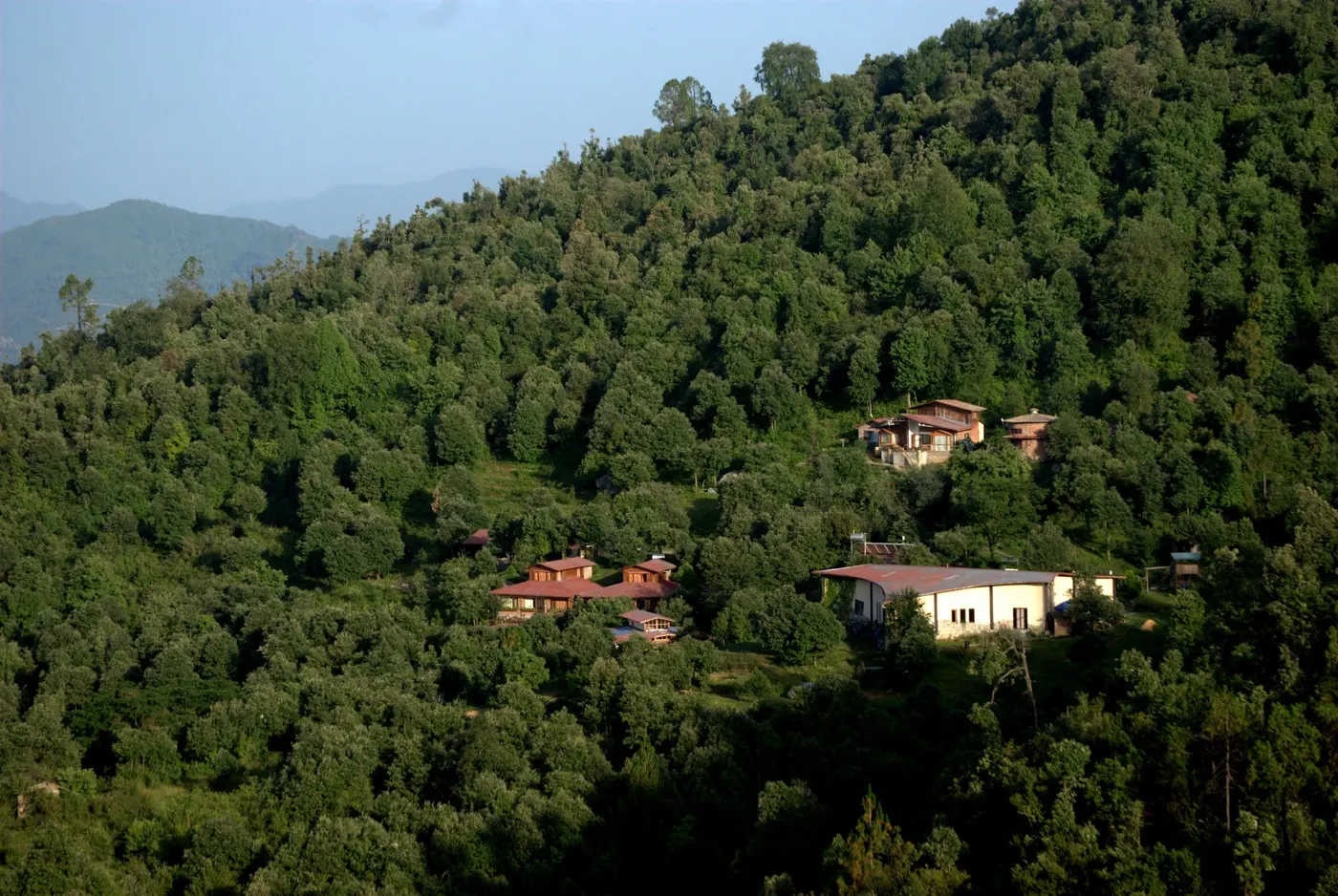
A journey from Misty Mountain to Kasar Devi can combine mountain roads, forest landscapes, village life and one of Almora’s best-known spiritual landmarks.
The route itself becomes part of the Kumaon travel experience because the region is best explored slowly rather than treated as a collection of isolated attractions.
A Kasar Devi day visit can therefore complement the peaceful forest experience of staying at Misty Mountain.
Guests at Misty Mountain who are interested in Himalayan culture can combine Kasar Devi with other destinations around Almora and Kumaon depending on their itinerary.
Kasar Devi is particularly suitable for travellers who enjoy temples, local stories, mountain walks and quiet viewpoints.
The destination can also appeal to travellers who are interested in the history of Swami Vivekananda and the international spiritual movement that developed around the Almora hills.
For Misty Mountain guests, Kasar Devi offers a cultural experience that balances the property's forest and nature-focused atmosphere.
What Can You See Around Kasar Devi?
The Kasar Devi area offers more than the temple itself because the surrounding ridge is part of the attraction.
Visitors to Kasar Devi can explore the village surroundings, pine-covered paths and viewpoints across the Kumaon hills.
Crank’s Ridge is an important nearby point for understanding the cultural history of Kasar Devi and its association with twentieth-century travellers.
The surrounding Himalayan landscape also makes Kasar Devi a natural place for photography and quiet walks.
The experience of Kasar Devi changes with the season.
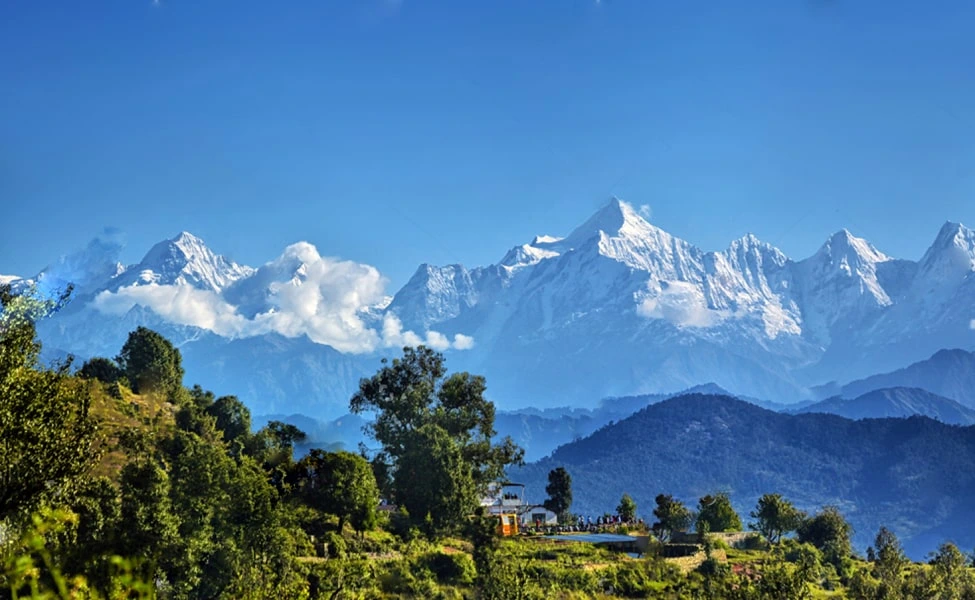
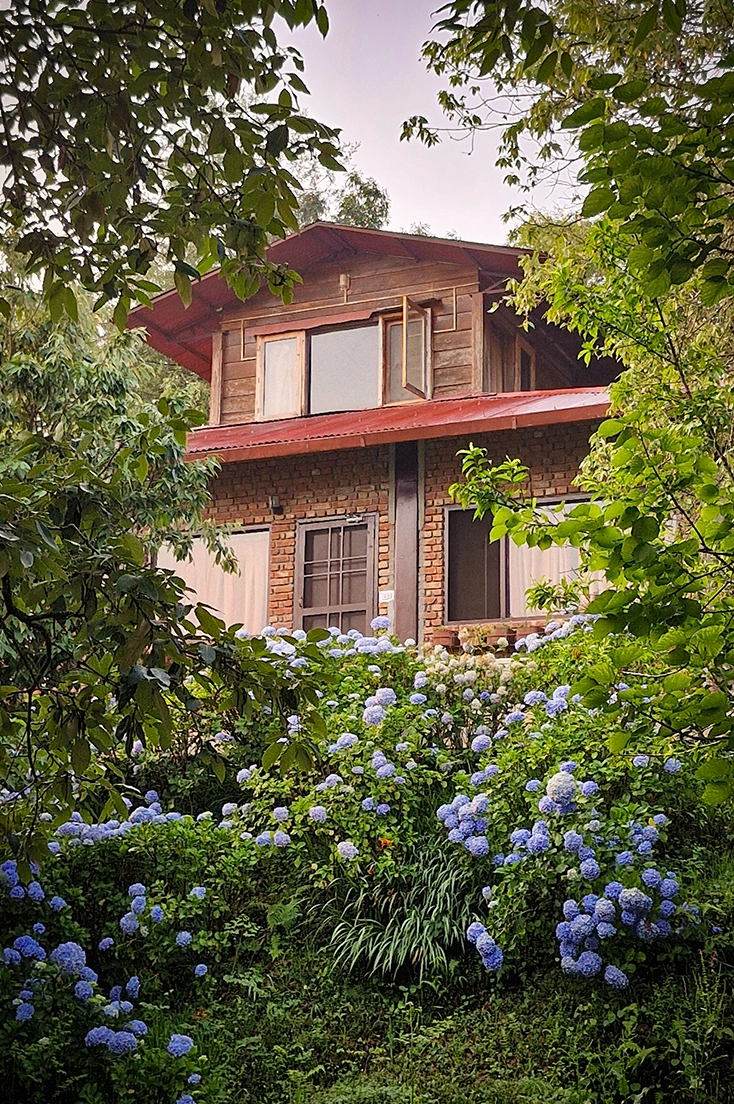
In clear weather, the Himalayan landscape around Kasar Devi can provide broad mountain views, while the monsoon months bring greener forests and cloudier mountain conditions.
Winter can make the ridge feel quieter and colder, while festival periods bring more local activity around the temple.
Travellers planning a Kasar Devi visit should therefore choose their timing according to whether they prefer clear views, greenery, quietness or festival atmosphere.
A Note About the Stories You Hear in Kasar Devi
Kasar Devi has accumulated many stories over the decades, and not every story found online has the same historical reliability.
Some Kasar Devi stories come from local religious traditions, some come from documented historical records, and others have grown through travel writing and modern internet culture.
A responsible Kasar Devi travel guide should clearly distinguish between these categories.
That is especially important when discussing claims about cosmic energy, NASA, famous personalities or extraordinary spiritual experiences.
The most reliable foundation for the Kasar Devi story is simple: the village is home to an ancient Devi temple, the official district tourism record places the temple structure in the 2nd century CE, Swami Vivekananda visited in the 1890s, and the area later became associated with spiritual seekers and Crank’s Ridge.
These facts already provide a remarkable history without exaggeration.
The local beliefs and personal experiences can then be understood respectfully as part of the cultural story of Kasar Devi.
Respecting the Local Voice
The local voice of Kasar Devi should not be reduced to a dramatic quotation created for a travel article.
Real local tradition is usually quieter and more ordinary because temples remain part of everyday community life.
For local devotees, Kasar Devi Temple is a place where people come with faith, prayer and personal reasons rather than simply to take photographs.
For visitors, respecting that local relationship is one of the most important parts of responsible Kasar Devi tourism.
A respectful traveller visiting Kasar Devi should follow temple rules, maintain appropriate behaviour and avoid disturbing worshippers.
Photography should be done only where it is permitted, particularly around areas used for prayer and religious activity.
Visitors should also remember that the Kasar Devi village is a residential community where people live and work.
Simple behaviour such as keeping the area clean, avoiding unnecessary noise and respecting local customs helps preserve the character of Kasar Devi.
Why Kasar Devi Still Attracts People
The continuing popularity of Kasar Devi cannot be explained by one single story.
For pilgrims, Kasar Devi Temple offers an old place of worship connected with local religious tradition.
For history lovers, Kasar Devi offers an ancient temple and a documented association with Swami Vivekananda.
For cultural travellers, Crank’s Ridge offers a fascinating story of artists, writers, Tibetan Buddhist practitioners and international seekers.
For nature lovers, Kasar Devi offers pine forests, mountain air and Himalayan landscapes around Almora.
For slow travellers, Kasar Devi offers an opportunity to sit quietly, walk through a village and experience a destination without rushing from one attraction to another.
For guests staying at Misty Mountain, Kasar Devi adds another layer to a Kumaon holiday by connecting forest, culture, spirituality and history.
This combination is what makes Kasar Devi one of the most distinctive places to visit near Almora.
The Real Story of Kasar Devi
The real story of Kasar Devi is not only about mysterious energy or famous travellers.
The real story of Kasar Devi begins with an old hill shrine and the local religious tradition that kept it meaningful through generations.
The real history of Kasar Devi then expands through Swami Vivekananda’s visit, later spiritual seekers and the unusual cultural history of Crank’s Ridge.
The modern Kasar Devi experience is therefore a meeting point of Kumaoni tradition, Himalayan landscape and international spiritual history.
The official district tourism record confirms the ancient identity of Kasar Devi Temple and its connection with Swami Vivekananda and later seekers.
The Ramakrishna Mission’s Almora material further records meditation at Kasar Devi among the important experiences connected with Vivekananda’s visits to Almora.
These documented details provide a strong foundation for understanding why Kasar Devi remains culturally important today.
Kasar Devi: A Place to Experience, Not Exaggerate
Kasar Devi does not need an exaggerated story to be worth visiting.
An ancient temple, a living local tradition, a Himalayan village, Swami Vivekananda’s documented connection and the unusual history of Crank’s Ridge already make Kasar Devi a remarkable destination.
The best way to experience Kasar Devi is to slow down, respect the temple, listen to local traditions and observe the landscape around the shrine.
For travellers staying at Misty Mountain, that slower approach fits naturally with the peaceful character of a Himalayan forest holiday.
Perhaps the most interesting thing about Kasar Devi is that different people can come to the same hill for different reasons.
A local devotee may come to pray at Kasar Devi Temple, a traveller may come to understand its history, and a visitor may simply sit quietly beneath the pine trees.
All of these experiences are part of the modern story of Kasar Devi, provided they are approached with respect for the place and the people who call it home.
That balance between faith, history, nature and quiet travel is what continues to make Kasar Devi special in the Kumaon Himalayas.
Visit Kasar Devi From Misty Mountain,Jhaltola
For guests of Misty Mountain, a visit to Kasar Devi can become more than another sightseeing stop on a Uttarakhand itinerary.
It can be a chance to understand a different side of Kumaon through an ancient temple, a living village and a ridge with an unusual modern history.
The Kasar Devi experience complements the peaceful surroundings of Misty Mountain by adding local culture, spiritual heritage and the history of Almora to the journey.
Whether you come to Kasar Devi for the temple, the landscape, the history or simply a quiet morning in the hills, the destination is best experienced without rushing.
Kasar Devi remains a place where an old Kumaoni tradition continues alongside a much newer international reputation.
Its story belongs equally to the local people who continue to respect the shrine, the historical figures who visited the hills and the travellers who come today looking for a quieter Himalayan experience.
For anyone exploring Kumaon from Misty Mountain, Kasar Devi is therefore not simply another tourist attraction but a place where history, faith, nature and local life can be experienced together.