The definition of luxury in the culinary world is undergoing a profound structural shift. For decades, mainstream high-end hospitality equated fine dining with the "grand buffet"—a vast, high-density display of multiple cuisines, rows of stainless steel chafing dishes, and an overwhelming volume of food choices. From five-star corporate hotels to commercial mountain resorts, the buffet became the standard signifier of premium service. It promised variety, abundance, and immediate access.
However, for the modern conscious traveler, data strategist, creative leader, and high-performing professional, this traditional buffet culture has begun to lose its appeal. What was once seen as prestigious is now increasingly recognized as an uninspired, industrial approach to food. The massive buffet setup relies on centralized raw procurement, heavy preparation hours in advance, and long periods where dishes sit over artificial heating elements. The result is often a repetitive, heavy dining experience that leaves guests feeling sluggish, disconnected from the local geography, and structurally unsatisfied.
As corporate burnout and urban exhaustion rise, a new era of fine dining has emerged—one centered on biological purity, cultural preservation, and uncompromised freshness. True culinary luxury is transitioning away from industrial variety and moving toward De-Structured, Farm-to-Table Gastronomy.
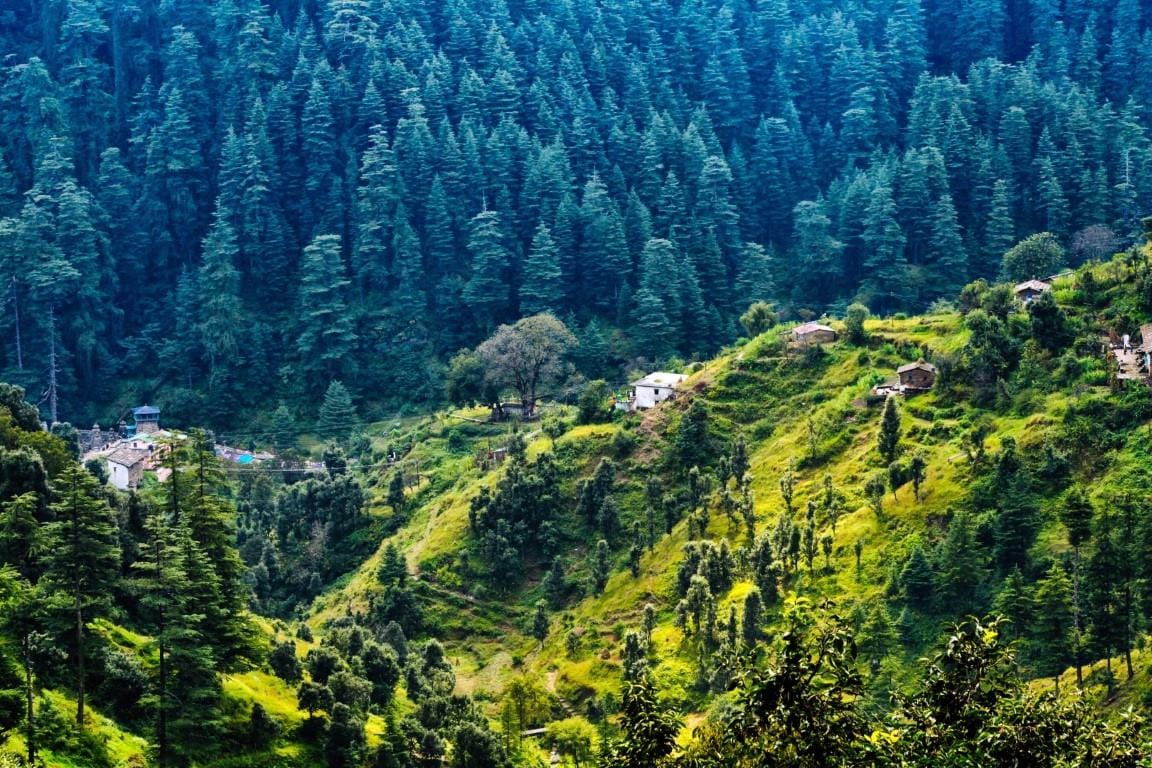
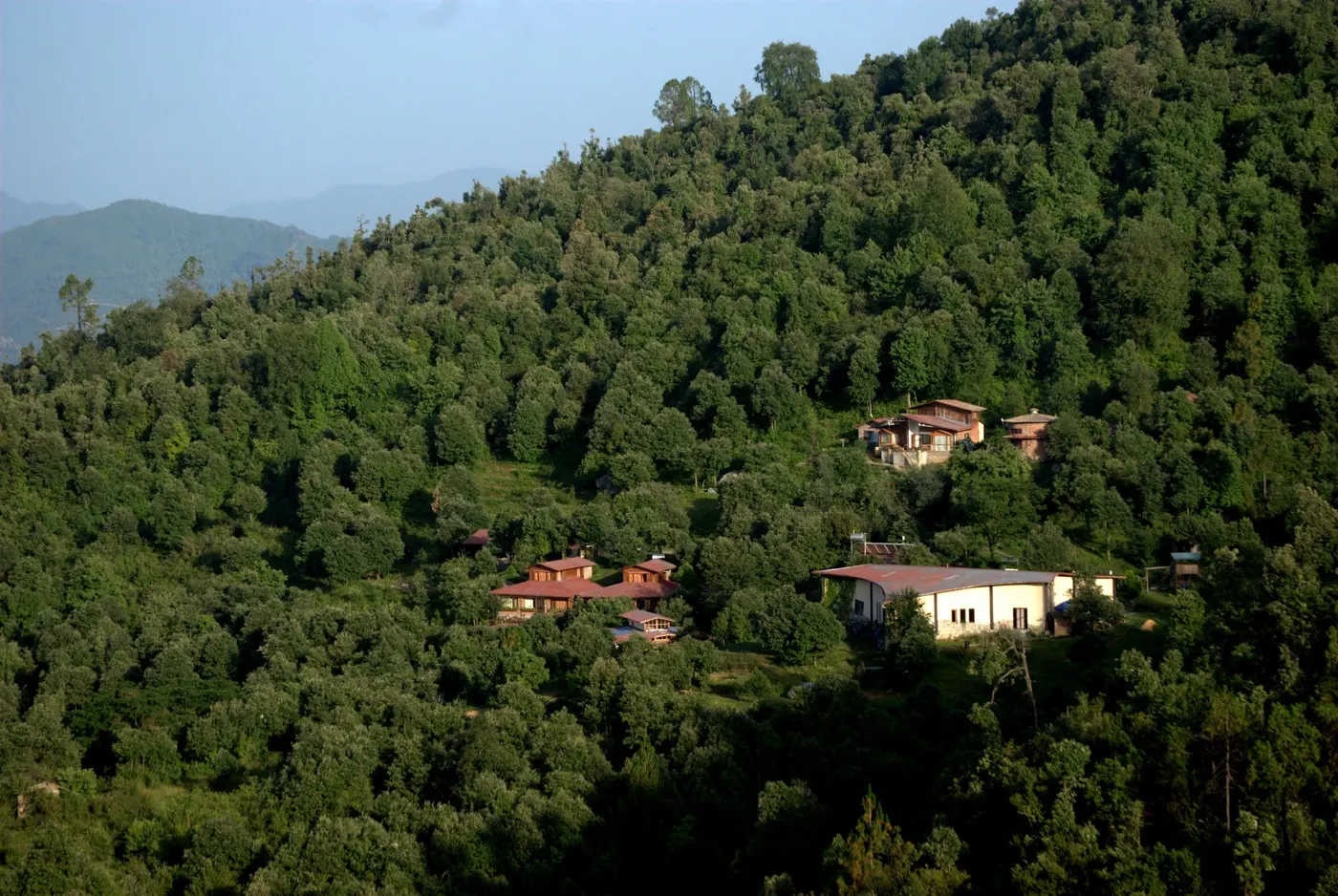
Deep within the pristine interiors of Upper Kumaon, the 1000-acre private forest estate of Misty Mountains Jhaltola is leading this culinary evolution. By replacing predictable buffet lines with a dynamic, hyper-local Kumaoni farm-to-table system, the estate offers a dining experience that acts as an active healing mechanism for both the body and the mind. Here is an analytical breakdown of why standard buffet culture is fading, and how authentic mountain gastronomy is defining the future of premium dining.
1. The Industrialization of Taste: The Hidden Cost of Buffet Culture
To understand the value of farm-to-table dining, one must first audit the mechanics of the standard hospitality buffet. The traditional buffet is designed around operational scale, not individual vitality. Food must be prepared in massive quantities to ensure that a guest arriving at the end of the dining window sees the same abundance as a guest arriving at the start.
This high-volume approach requires specific culinary compromises:
-
Pre-Prepared Stagnation: Dishes are often cooked hours before they are consumed. To keep food from spoiling or drying out on the buffet line, kitchens frequently rely on excess oil, heavy creams, and sodium-heavy preservatives. This continuous exposure to heat degrades the original nutrient profile, alters natural textures, and results in a heavy, uniform taste.
-
Homogenized Sourcing: Large-scale commercial resorts typically procure ingredients from centralized supply chains. Tomatoes, potatoes, lentils, and grains are shipped across hundreds of kilometers from urban wholesale markets. By the time these ingredients reach a mountain kitchen, they have lost their cellular freshness and seasonal character, tasting exactly like the food served in any metropolitan area.
-
Cognitive and Physical Fatigue: Navigating a hundred-item buffet forces the human brain into a state of decision fatigue. The chaotic mixing of mismatched cuisines—such as pairing a heavy continental sauce with an industrial curry—disrupts digestion. Instead of leaving the table energized for an evening of strategic thinking or a deep walk along the trails, guests experience a sharp drop in physical energy and focus.
2. Defining Farm-to-Table: The Living Kumaoni Food Philosophy
Authentic Kumaoni gastronomy operates on the exact opposite principle of industrial dining. It is a food philosophy born out of necessity, isolation, and a deep, ancestral respect for the earth. In the rugged terrains of the Himalayas, communities traditionally relied entirely on what could be grown locally, harvested seasonally, and cooked fresh daily.
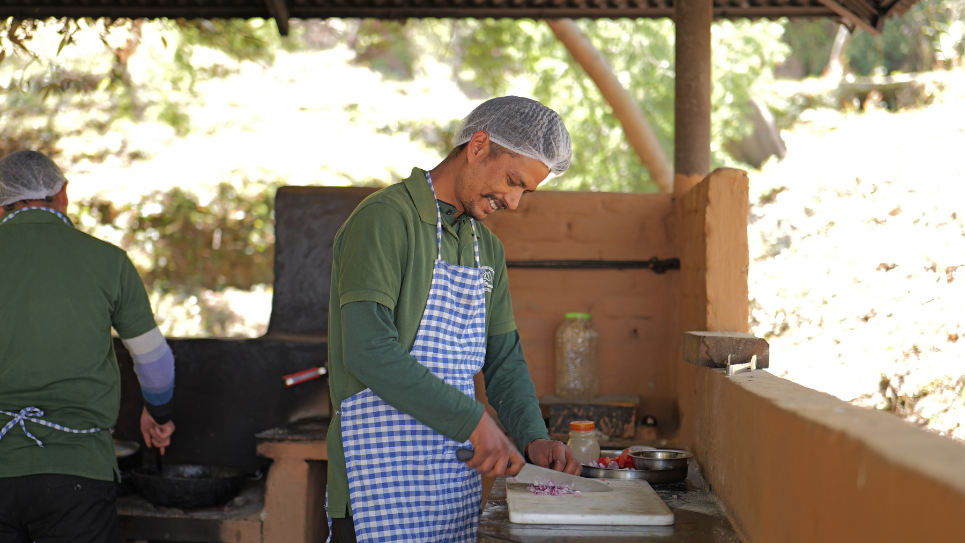
When this traditional knowledge is integrated into an eco-luxury sanctuary like Misty Mountains Jhaltola, it transforms into an intentional wellness module. Farm-to-table dining means that the timeline from harvest to consumption is measured in hours, not weeks. The menu is not fixed in a corporate office; it is dictated daily by what is mature, crisp, and ready in the surrounding rich mountain soil.
This close connection to the land ensures that every ingredient retains its full biological value. The flavors are vibrant, clean, and distinct, requiring no artificial flavor enhancers or heavy oils to mask their quality. It is a return to clean fuel, designed to support your body's natural baseline and keep your mind sharp.
3. The Nutritional Matrix of Kumaon: Ancient Grains and Mountain Pulses
The traditional diet of the Kumaon region is inherently rich in nutrients, featuring a complex matrix of ancient grains, organic pulses, and unique wild herbs that thrive under specific high-altitude conditions. Sourcing these ingredients directly from local micro-farms ensures a clean, unrefined nutritional intake:
Madua (Finger Millet)
Unlike highly processed white flour that causes rapid blood sugar spikes, Madua is a gluten-free ancient grain packed with dietary fiber, calcium, and essential amino acids. Slow-cooked into fresh, warm rotis, it releases energy slowly throughout the day, preventing afternoon fatigue and maintaining stable focus during your deep work sessions.
Bhatt and Gahat (Local Pulses)
Bhatt (indigenous black soybeans) and Gahat (horse gram) are the protein foundations of the mountains. Rich in iron and antioxidants, these pulses are slow-cooked in traditional iron vessels (kadhai) to create deep, flavorful gravies like Bhatt ki Churkani. This traditional method naturally infuses the food with dietary iron, boosting oxygen transport in your blood and clearing away chronic fatigue.
Jhangora (Barnyard Millet)
Often used to create light, nutritious puddings or served as a direct substitute for polished white rice, Jhangora is an easily digestible, low-glycemic grain that supports metabolic health and prevents the sluggishness typically caused by industrial buffet starches.
4. The Catalyst of Purity: Untreated Mountain Spring Water
A critical element that standard commercial hotels cannot duplicate is the quality of the water used in food preparation. Mainstream properties rely on intensive chemical purification systems or recycled water grids, which strip out natural minerals and leave a flat, synthetic taste.
At Misty Mountains Jhaltola, the entire kitchen runs on untreated water sourced directly from deep, natural mountain springs protected by our 1000-acre private forest. This pristine water is naturally filtered through layers of mineral-rich Himalayan rock and root systems.
When utilized to slow-cook lentils, brew local herbal infusions, or steam fresh vegetables, this mineral-rich spring water acts as a natural digestive catalyst. It enhances the natural flavors of the ingredients and ensures optimal hydration at a cellular level, helping eliminate city sleep deprivation and restoring raw physical vitality.
5. De-Structured Hospitality: Personalizing the Dining Experience
One of the greatest points of friction in standard buffet culture is its rigid structure. Guests are forced to dine within fixed hours, stand in lines, and adapt their personal schedules to institutional timing.
Misty Mountains Jhaltola replaces this rigid protocol with De-Structured Hospitality, where the service moves entirely around your personal rhythm:
-
Fluid Dining Framework: If you are deep in a creative project, adjusting a performance marketing funnel, or tracking rare wildlife along the trails, you should never be rushed by a closing kitchen window. Your meals are prepared fresh and served when your schedule naturally permits.
-
Secluded Culinary Spaces: You are never confined to a crowded, noisy dining hall. Our team can seamlessly set up your dining experience on a quiet wooden deck looking out at the snow-clad peaks of Nanda Devi, or within a quiet forest clearing where the acoustic backdrop is managed entirely by the calls of local avifauna.
-
Collaborative Customization: There are no cold corporate scripts here. Our local chefs engage with you directly to understand your physical needs and personal preferences, tailoring the spice levels, ingredient choices, and preparation styles to match your day's energy expenditure.
6. The Biological Impact: Clean Fuel for Creative Longevity
The food we consume directly shapes our cognitive performance, emotional stability, and long-term health. A diet consisting of pre-prepared buffet food forces the liver and digestive system to work overtime, drawing blood flow away from the brain and causing continuous brain fog.
Transitioning to a dedicated farm-to-table routine initiates a complete biological reset:
-
Reduced Systematic Inflammation: By completely removing hydrogenated fats, mass-processed preservatives, and chemically treated vegetables from your diet, your body’s baseline inflammation drops significantly within 48 hours.
-
Enhanced Cognitive Capacity: The high density of antioxidants, pure mountain iron, and clean complex carbohydrates stabilizes your neurological energy, giving you the stamina needed for deep, uninterrupted creative focus.
-
Restored Sleep Cycles: The combination of pure alpine air, mineral-dense spring water, and light, nutritious local dinners helps lower your evening cortisol levels, leading to deep, restorative REM sleep cycles.
This focus on biological well-being is why high-performing professionals are choosing unshared eco-isolation over crowded luxury chains. Immersing your body in an environment where both the air and the nutrition are completely pure allows you to rebuild your physical and mental reserves. To understand how the surrounding wilderness works alongside this culinary framework to restore your focus, Read More: Top 5 Bird Species and Flora That Thrive in Jhaltola's 1000-Acre Private Forest.
Conclusion: Investing in the Future of Fine Dining
The choice between traditional buffet culture and experiential farm-to-table gastronomy comes down to how you value your personal health, time, and attention. Choosing a high-density corporate layout means accepting generic, mass-processed menus and noisy environments that continue to drain your energy.
Investing in a long-term stay at an uncompromised eco-luxury sanctuary like Misty Mountains Jhaltola gives you access to a protected natural environment where your physical vitality is nurtured by clean, real fuel. Authentic Kumaoni farm-to-table dining is not merely a culinary trend; it is a sustainable philosophy for long-term health and creative clarity.
🔴 PLAN YOUR RESTORATIVE RETREAT NOW
Ready to escape industrial burnout, leave the crowded buffet lines behind, and experience the transformative power of authentic mountain gastronomy in an unshared 1000-acre private forest sanctuary? Connect with our travel curators to design a personalized multi-day wilderness getaway tailored to your complete physical and mental well-being.
-
Call / WhatsApp: +91 99270 39123
-
Locate Our Sanctuary: Jhaltola, Near Raiagar, Pithoragarh District, Uttarakhand, India
-
Review Curated Packages: Read More: Experience Packages