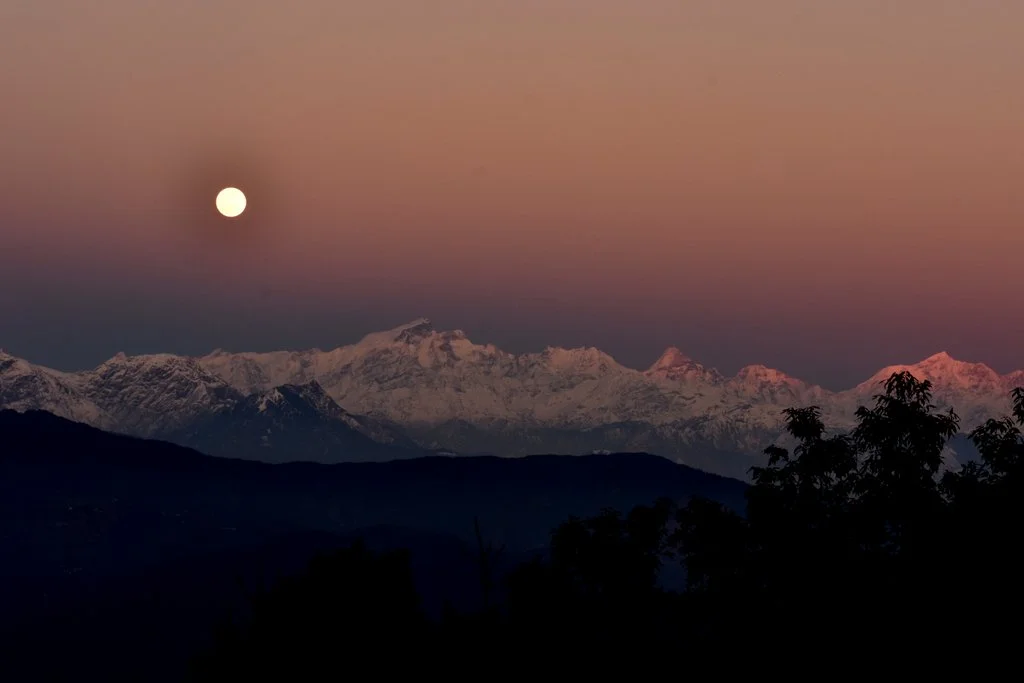
When we close our eyes and imagine an escape to the Himalayas, the mental picture is almost always the same: crisp mountain air, towering snow-capped peaks, the rustle of wind through ancient pines, and a profound sense of inner calm. It is a dream built on space, silence, and an intimate connection with raw nature.
Yet, when most travelers act on this dream, they book trips to familiar, mainstream hill stations—destinations like Nainital, Mussoorie, Shimla, or Manali. Upon arrival, the romanticized Himalayan dream quickly collides with a very different reality.
Instead of mountain quiet, you find bumper-to-bumper traffic crawling along narrow ridge roads. Instead of pristine forest walks, you navigate crowded commercial promenades lined with souvenir stalls and fast-food outlets. Instead of waking up to an unobstructed view of snow peaks, your hotel balcony looks directly into the concrete wall of another resort built just feet away.
The truth is simple: you cannot build deep, lifelong mountain memories in a place that has traded its natural soul for mass tourism.
To experience the Himalayas as they were meant to be felt, you have to look beyond the popular tourist hubs and step into Upper Kumaon, Uttarakhand, where high-altitude sanctuaries like Jhaltola offer an entirely different way to experience the mountains.
1. The Illusion of the Popular Hill Station
Mainstream hill stations were originally established decades ago as quiet summer retreats. Over time, high-density development and rapid commercialization altered their fundamental nature.
When a destination prioritizes high visitor turnover over environmental preservation, several critical elements of the mountain experience break down:
-
Acoustic Overload: The constant drone of automobile engines, honking horns, and noisy tour groups replaces the natural sounds of the forest. The nervous system remains on low alert, preventing true relaxation.
-
Visual Pollution: Commercial billboards, tangled power lines, and multi-story concrete structures block natural sightlines, stripping away the feeling of wild wilderness.
-
Structured Sightseeing: Vacationing becomes a series of checklist tasks—waiting in long queues for cable cars, fighting for parking spots at designated viewpoints, and navigating crowded markets.
These environments create transaction-based travel—short bursts of activity packed into crowded spaces—rather than the slow, restorative experiences that leave lasting marks on our memory.
2. The Anatomy of a True Mountain Memory
Think back to the travel experiences that stay with you for years. They are rarely defined by buying souvenirs or standing in crowded lines. True memories are forged in moments of deep sensory connection, unexpected quiet, and shared presence:
-
Watching the first golden rays of dawn hit a 7,000-meter snow peak while drinking warm tea on a completely silent terrace.
-
Walking along a soft, leaf-covered forest path where the only sound is the call of wild birds across a deep valley.
-
Sharing unhurried, fireside conversations under a night sky so clear that the Milky Way stretches overhead like a bright river of light.
These moments require physical space, acoustic quiet, and an unshared natural environment—qualities that are nearly impossible to find in a commercial hill station, but form the very foundation of Misty Mountains Jhaltola.
3. The Jhaltola Difference: A 1,000-Acre Private Forest Sanctuary
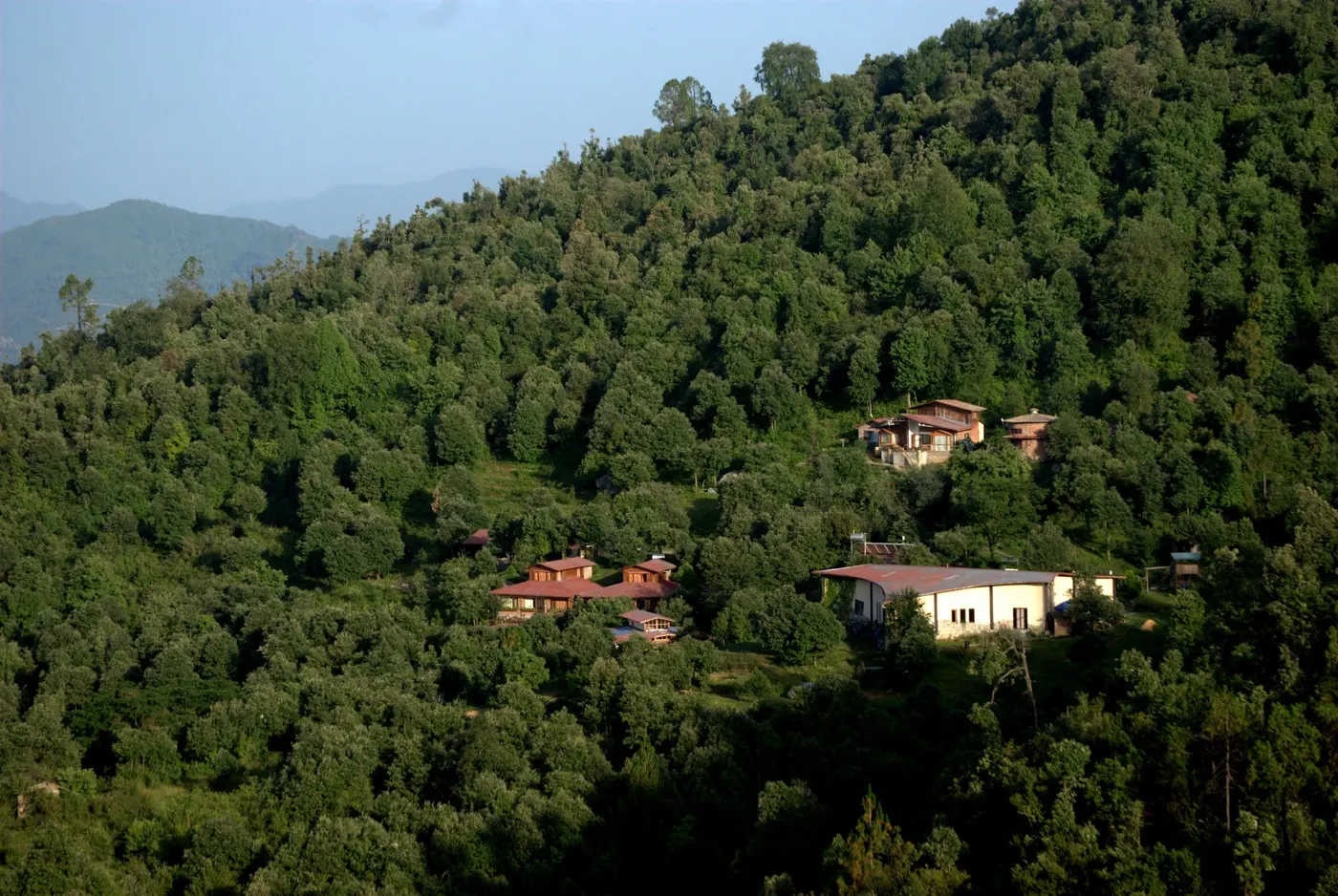
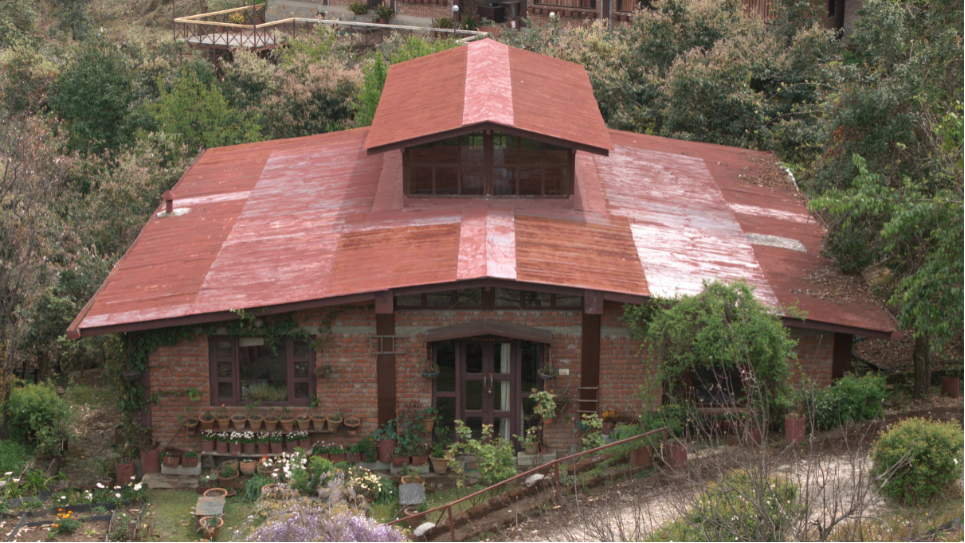
Perched at an elevation of 7,500 feet between Chaukori and Pithoragarh, Jhaltola offers a powerful alternative to mainstream travel. It is not a commercial town or a collection of crowded hotels; it is an unshared, protected 1,000-acre private forest estate wrapped in deep oak, rhododendron, and pine woods.
Here, the mountain experience is carefully preserved through deliberate design:
An Unbroken 180-Degree Himalayan Panorama
In popular hill stations, viewing the snow peaks often requires going to a crowded public viewpoint. At Jhaltola, the entire ridge serves as a private balcony facing the Greater Himalayan Range. From your cottage, you can watch Mount Trishul, Nanda Devi, Nanda Kot, and the Panchachuli peaks shift from golden orange at sunrise to soft violet at dusk—without a single building or power line blocking your view.
The Buffer of a Private 4x4 Forest Track
Jhaltola stays pristine because it cannot be reached by standard city sedans or large tour buses. The final 4 kilometers climb through a private, unpaved forest track under an ancient oak canopy. Guests complete this final leg in specialized 4x4 vehicles. This physical threshold acts as a natural filter, keeping high-volume traffic away and preserving the quiet sanctuary within.
To learn how this unique philosophy shaped our sanctuary, Read More: Our Story.
4. How Space and Silence Transform Your Daily Rhythm
When you step out of a crowded resort and into a vast, private forest estate, your relationship with time completely shifts. A single day at Jhaltola is structured not by rigid schedules, but by the natural rhythms of the mountain environment:
   DAWN
   06:00 AM ──> Golden Alpenglow on Nanda Devi & Trishul

   MORNING
   09:00 AM ──> Forest Trail Treks through 1,000-Acre Oak Canopy

   AFTERNOON
   01:30 PM ──> Clean Kumaoni Gastronomy & Slow Reading

   DUSK
   06:00 PM ──> Fireside Tea as Snow Peaks Turn Violet

   NIGHT
   09:00 PM ──> Dark Sky Stargazing & Pure Milky Way Views
Whether you are hiking soft forest trails cushioned by decades of fallen oak leaves, enjoying slow-cooked Kumaoni dishes made with local organic grains, or spending hours writing and reading in absolute quiet, the environment actively restores your focus and energy.
To explore what a complete, unhurried 24-hour cycle looks like on the ridge, Read More: From Dawn to Dusk: A Perfect Day at Misty Mountains Jhaltola.
Comparing Your Options: Commercial Hubs vs. Jhaltola
| Travel Aspect | Crowded Commercial Hill Stations | Misty Mountains Jhaltola |
| Acoustic Environment | Vehicle horns, loud music, crowds | Wind in pine trees, bird calls, pure silence |
| Visual Boundaries | Neighboring concrete hotels, power lines | 180-degree unbroken Himalayan views |
| Access & Traffic | Congested public highways, parking issues | Private 4x4 forest track through oak woods |
| Nature Access | Public parks, commercialized viewpoints | 1,000-acre private broadleaf forest estate |
| Night Experience | Commercial light pollution, streetlights | Dark Sky sanctuary with vivid Milky Way views |
| Overall Pace | Rushed, checklist-driven sightseeing | Slow travel, deep restoration, quiet focus |
Conclusion: Choose Experience Over Crowds
Your time in the mountains is precious. When you look back years from now on your trip to the Himalayas, you won't remember the traffic jams, the commercial shops, or the crowded viewing decks. You will remember the feeling of standing on a silent ridge as the morning sun turned the snow peaks gold, the smell of damp pine needles after a gentle mountain rain, and the quiet peace that settled over your mind.
It is time to leave the crowded hill stations behind and choose a sanctuary built for real memories.
🔴 PLAN YOUR HIGH-ALTITUDE RETREAT
Ready to escape the commercial tourist circuit and discover the undisturbed beauty of Upper Kumaon? Reach out to our travel curators today to select your cottage, arrange your private 4x4 forest transfer, and plan your stay.
-
Call / WhatsApp: +91 99270 39123
-
Sanctuary Address: Jhaltola, Near Raiagar, Pithoragarh District, Uttarakhand, India
-
Direct Inquiries: Contact our team for customized travel itineraries, family stays, and seasonal wellness packages.