Discover the Wildlife of Kumaon, Uttarakhand
The forests of Kumaon, Uttarakhand, are home to a fascinating variety of Himalayan wildlife, forest birds, and smaller creatures that contribute to the region's rich biodiversity. Around Jhaltola and Chaukori in Upper Kumaon, forested slopes, oak and rhododendron vegetation, and changing elevations create natural habitats for a variety of species.
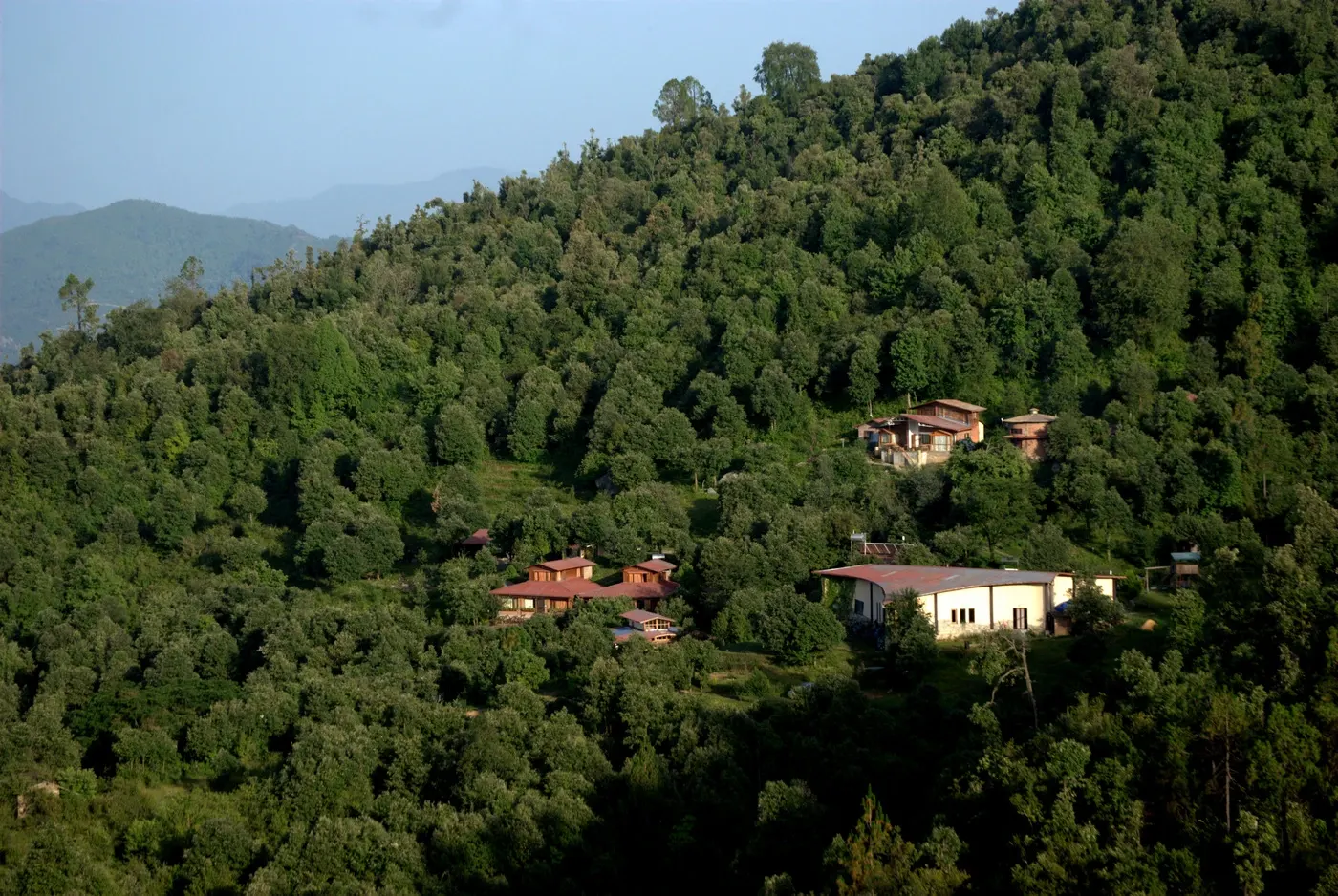
Misty Mountains Jhaltola, a nature retreat in the Kumaon Himalayas, offers visitors an opportunity to experience this peaceful forest landscape through nature walks, birdwatching, and slow travel. Its official website highlights a forest estate spanning different elevations and a birding environment with more than 150 bird species recorded in its birding material. This documented bird diversity makes the surrounding landscape particularly interesting for nature enthusiasts. Source: Misty Mountains, Jhaltola
However, understanding the wildlife of the Misty Mountains requires an important distinction. Animals documented across Kumaon are not necessarily confirmed residents of the Misty Mountains property. This guide explores the mammals, birds, habitats, and wildlife experiences associated with the wider region without presenting unverified sightings as facts.
What Makes the Forests of Jhaltola and Chaukori Special?
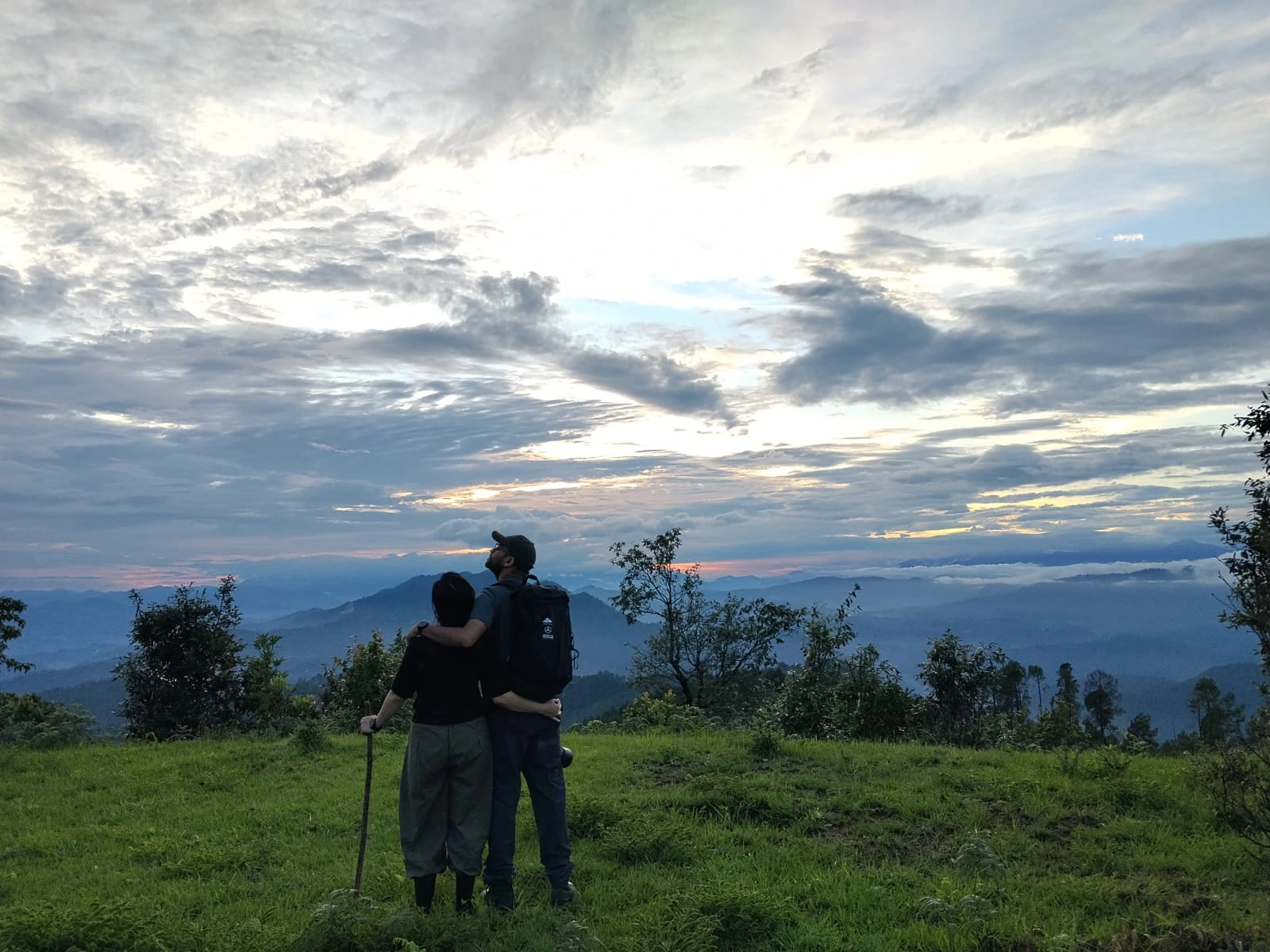
Jhaltola and Chaukori are located in the Upper Kumaon region of Uttarakhand, where mountain forests, village landscapes, cultivated land, and natural vegetation form a diverse Himalayan environment.
The changing elevation of the Kumaon Himalayas influences temperature, vegetation, and the types of animals and birds that can live in different habitats. Oak and rhododendron forests provide shelter, nesting opportunities, and food resources for numerous bird species, while forest edges and rocky slopes support other forms of wildlife.
Misty Mountains Jhaltola promotes birdwatching and forest walks, allowing visitors to appreciate the area's natural surroundings without relying on crowded tourist attractions.
For travellers interested in Kumaon wildlife, the experience is not limited to spotting a large animal. Bird calls, movement in the forest canopy, tracks, and the changing sounds of the landscape can all offer insights into Himalayan biodiversity.
Which Wild Animals Are Found in the Kumaon Region?
The wider Kumaon region supports a range of wild mammals, including leopards, barking deer, Himalayan goral, wild boar, and other species depending on the location and habitat.
The presence of a species somewhere in Kumaon does not establish that it has been recorded on the Misty Mountains estate. The following sections describe regional wildlife and its ecological characteristics rather than guarantee sightings at Jhaltola.
1. Leopard, locally known as Guldar
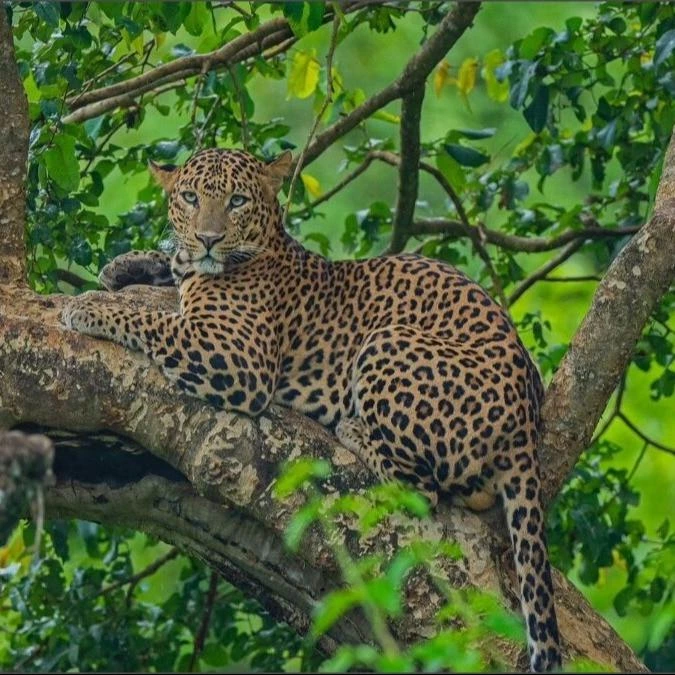
The leopard, commonly called guldar in Uttarakhand, is one of the important large carnivores found across parts of the Himalayan foothills and middle-elevation forest landscapes.
Leopards are adaptable animals that use forests, rocky terrain, and areas near villages where suitable prey is available. Their spotted coats provide camouflage, and their secretive behaviour means they may live in an area without being seen frequently.
In the wider Kumaon region, leopard presence is an important consideration for wildlife conservation and human safety. Visitors exploring forested areas around Jhaltola and Chaukori should follow local guidance and any forest department advisories.
A leopard sighting should never be promised as part of a stay at Misty Mountains Jhaltola without reliable, location-specific evidence.
2. Barking Deer, Known as Kakar
The barking deer, also called kakar, is a small deer associated with forest habitats across parts of the Himalayan region.
Its name comes from its distinctive bark-like alarm call, which may be heard when the animal senses a potential threat. Barking deer generally prefer vegetation that provides food and cover, and their cautious behaviour can make them difficult to observe.
Barking deer are documented in the broader Himalayan landscape, including regional wildlife accounts for Uttarakhand. However, their presence on the Misty Mountains property should not be assumed without a confirmed local record.
For nature enthusiasts, learning to recognise the calls and behaviour of forest animals is a valuable part of understanding Kumaon wildlife.
3. Himalayan Goral
The Himalayan goral is a goat-like wild mammal associated with steep, rocky slopes and forested mountain terrain.
Gorals are well adapted to uneven ground and often use rocky habitats where their agility helps them move across challenging terrain. Their natural camouflage and cautious behaviour can make them difficult to spot from a distance.
The species is documented in parts of the Himalayan region, including Uttarakhand. Whether it occurs regularly on the Misty Mountains estate would require local wildlife records to establish.
For visitors exploring the wider Kumaon landscape, the Himalayan goral illustrates how mountain wildlife adapts to steep slopes and varied vegetation.
4. Wild Boar
Wild boars are adaptable mammals found in a range of habitats across India, including suitable forest and agricultural landscapes.
They feed on a variety of plant materials and other available food sources. Their ability to use different habitats allows them to survive in landscapes where forests meet cultivated land.
Wild boars are part of the broader wildlife diversity of Uttarakhand. Nevertheless, a general regional record should not be treated as proof of a sighting at Misty Mountains Jhaltola.
Visitors should never approach a wild boar or attempt to feed it. Maintaining distance helps protect both people and wildlife.
5. Porcupines and Other Small Mammals
Small and medium-sized mammals play an important role in Himalayan forest ecosystems, even though they often receive less attention than leopards or deer.
Porcupines are nocturnal or largely night-active rodents known for their protective quills. Depending on the species and habitat, they feed on plant material, roots, bark, and other vegetation.
The wider Himalayan region also supports several other small mammals, including rodents and members of the weasel and marten families in suitable habitats.
The exact small-mammal species present around the Misty Mountains would need to be established through local surveys, camera-trap records, or reliable observations by qualified wildlife experts.
The Birdlife of Misty Mountains, Jhaltola
Birdwatching is one of the best-documented wildlife experiences associated with Misty Mountains Jhaltola.
The property's official birding information describes more than 150 recorded bird species in its birding material. The estate's elevation range and forest habitats provide opportunities to observe resident Himalayan birds and seasonal visitors. Source: Misty Mountains Birding Retreat
Birds are often easier to observe than mammals because they may call, feed, or move through the forest canopy during daylight hours. However, sightings depend on season, weather, habitat conditions, and individual bird behaviour.
Himalayan Woodpecker
The Himalayan woodpecker is included in the Misty Mountains birding checklist.
Woodpeckers are adapted to life around trees, where they search for food and use their strong bills to investigate bark and wood. Observing a woodpecker can help visitors appreciate the ecological importance of mature forest vegetation.
Kalij Pheasant
The Kalij pheasant is another bird listed in the Misty Mountains birding material.
This forest-dwelling pheasant generally spends much of its time on or near the ground, where it searches for food among vegetation and leaf litter. Its cautious behaviour means visitors may hear movement or calls before getting a clear view.
Green-tailed Sunbird
The green-tailed sunbird is also listed among the birds recorded at Misty Mountains.
Sunbirds are nectar-feeding birds that can be observed around flowering plants. Their feeding behaviour connects them with the ecological processes that support flowering vegetation in mountain landscapes.
Verditer Flycatcher
The Verditer Flycatcher appears on the property's birding checklist as a resident species.
Flycatchers typically feed on insects and may be seen making short flights from a perch to catch prey. Their behaviour offers an interesting subject for bird photographers and visitors learning to identify Himalayan birds.
Blue-fronted Redstart
The Blue-fronted Redstart is listed in the Misty Mountains birding information as a winter visitor.
Seasonal bird movements demonstrate why the birdlife of Kumaon can change throughout the year. Winter birdwatching may offer opportunities to observe species that are less noticeable or absent during other seasons.
Himalayan Griffon
The Himalayan Griffon is included in the estate's birding checklist as an occasional species.
This large vulture is associated with mountainous landscapes and plays an ecological role as a scavenger. Its inclusion on a birding checklist does not mean it can be seen on every visit.
These examples demonstrate the documented bird diversity associated with the Misty Mountains. They should not be interpreted as a guarantee that every species will be visible during a particular stay.
How Forest Habitats Support Wildlife in Kumaon
The wildlife of Kumaon depends on more than the presence of trees. Different habitat types support different feeding, breeding, and shelter requirements.
Oak and Rhododendron Forests
Oak and rhododendron forests provide vegetation cover, food resources, and habitat for a variety of birds and other forest organisms.
The trees and understory plants support insects, while flowers and seeds provide food for different species. Mature forests also create nesting and shelter opportunities for birds.
Misty Mountains highlights oak and rhododendron forest landscapes as an important part of its birding experience.
Rocky Slopes and Forest Edges
Rocky slopes and forest edges create different environmental conditions from dense woodland. Some mountain mammals use these areas for movement, feeding, or shelter, depending on their ecological needs.
The Himalayan goral, for example, is associated with steep rocky terrain. Other species may use the transition between forest and open land.
The availability of suitable habitat does not automatically confirm that a particular animal lives at a specific location.
Seasonal Changes in the Himalayan Forest
The forests of Upper Kumaon change with the seasons. Spring brings flowering vegetation, the monsoon transforms the landscape with new growth, autumn changes the colours of the forest, and winter brings colder conditions.
These seasonal changes affect food availability, animal activity, and bird movements. Some birds are present throughout the year, while others visit seasonally.
For this reason, wildlife observation around Jhaltola and Chaukori is best approached with patience rather than an expectation of guaranteed sightings.
When Is the Best Time for Wildlife and Birdwatching in Jhaltola?
The best time to explore the forests of Jhaltola depends on the type of wildlife experience you are seeking.
October to March: Misty Mountains identifies this period as a key birding season. Cooler weather and the arrival of some seasonal birds can make it an appealing time for birdwatchers. Individual sightings will vary.
Spring: Flowering vegetation and increasing forest activity create an attractive setting for nature walks and birdwatching.
Monsoon: The landscape becomes greener, but rain, mist, and slippery paths may affect outdoor activities. Visitors should follow local advice about trail conditions.
Summer: Early mornings and quieter periods of the day can be suitable for nature walks, depending on weather and local conditions.
There is no single season that guarantees sightings of wild mammals. Animal activity varies with food availability, weather, disturbance, and other natural factors.
Responsible Wildlife Tourism at Misty Mountains Jhaltola
Responsible wildlife tourism helps visitors enjoy the Himalayan environment while reducing disturbance to animals and their habitats.
If you are planning a nature-focused stay at Misty Mountains Jhaltola, follow these precautions:
-
Maintain a safe distance from all wild animals.
-
Never feed wild animals or attempt to attract them with food.
-
Avoid chasing animals for photographs or approaching them for closer views.
-
Keep noise levels low during forest walks and birdwatching.
-
Use binoculars or a camera zoom rather than approaching birds and mammals.
-
Follow the guidance of local hosts, experienced guides, and forest authorities.
-
Do not leave food waste or plastic in forest areas.
-
Avoid walking alone in unfamiliar forest areas, particularly when local wildlife advisories recommend caution.
-
Follow official guidance regarding leopard activity or other wildlife-related safety concerns.
Wildlife encounters are unpredictable. Responsible visitors recognise that a quiet walk without a large-animal sighting is still a meaningful opportunity to experience nature.
Is It Possible to See Wild Animals During a Stay at Misty Mountains?
Misty Mountains Jhaltola is positioned as a nature retreat where visitors can enjoy forest surroundings, birdwatching, and outdoor experiences in Upper Kumaon.
Birdwatching has a documented presence in the property's published experiences. Large-mammal sightings, on the other hand, should be treated as uncertain unless the property provides verified, recent information about specific animals.
Visitors interested in mammals can ask the property about recent local observations, available guided walks, and appropriate safety precautions before travelling.
It is also important to understand that seeing wildlife is not the only way to appreciate a Himalayan forest. Listening to bird calls, noticing changes in vegetation, observing insects, and experiencing the stillness of the mountains are all valuable parts of nature travel.
Why Wildlife Conservation Matters in Kumaon
Wildlife conservation is essential for maintaining the ecological balance of the Kumaon Himalayas.
Predators such as leopards contribute to natural food webs, while herbivores influence vegetation through their feeding behaviour. Birds help with ecological processes such as insect control, seed dispersal, and pollination, depending on the species.
Healthy forest habitats also support soil stability, water regulation, and the natural landscapes that make Uttarakhand an important destination for nature tourism.
Responsible travel can support greater awareness of biodiversity. Visitors who respect wildlife, avoid littering, and follow local guidance help reduce unnecessary pressure on natural habitats.
Conservation also requires reliable information. Recording wildlife observations accurately and distinguishing confirmed sightings from assumptions are important steps towards responsible nature education.
Frequently Asked Questions About Wildlife in Misty Mountains Jhaltola
1. Which wild animals are found in the forests of Kumaon?
The wider Kumaon region supports mammals such as leopards, barking deer, Himalayan goral, and wild boar, along with many other species. Their distribution varies by habitat and location, and not every regional species is confirmed at Misty Mountains Jhaltola.
2. How many wild animal species live at Misty Mountains Jhaltola?
A verified total number of mammal species for the property has not been established in the sources cited here. The property's birding material reports more than 150 recorded bird species. This figure refers to birds, not the total number of all animals.
3. Can visitors see leopards near Chaukori?
Leopards occur in parts of Uttarakhand, including suitable Himalayan foothill and middle-elevation habitats. However, a leopard sighting near Chaukori or at Misty Mountains cannot be guaranteed. Visitors should follow local wildlife safety advice.
4. What birds can visitors look for at Misty Mountains?
The property's birding checklist includes the Himalayan Woodpecker, Kalij Pheasant, Green-tailed Sunbird, Verditer Flycatcher, Blue-fronted Redstart, and Himalayan Griffon. Actual sightings depend on season and conditions.
5. Is Misty Mountains suitable for nature lovers and birdwatchers?
Misty Mountains promotes birdwatching, forest walks, and nature-based experiences in the Kumaon Himalayas. Its documented birding checklist makes it relevant to travellers interested in observing Himalayan birdlife and enjoying forest landscapes.
6. How can visitors explore Kumaon wildlife responsibly?
Visitors should choose appropriate walking routes, follow local guidance, maintain a safe distance from wildlife, avoid feeding animals, and respect forest regulations. Responsible wildlife observation prioritises animal welfare and visitor safety.
Experience the Natural Beauty of Misty Mountains Jhaltola
The forests of Jhaltola and the wider Kumaon Himalayas offer a chance to appreciate the region's biodiversity, changing mountain landscapes, and remarkable birdlife.
For travellers who value slow travel, forest walks, and birdwatching, Misty Mountains Jhaltola provides a setting to experience the natural character of Upper Kumaon.
Whether you are interested in Himalayan birds, the ecology of mountain forests, or the wildlife found across Uttarakhand, approach every encounter with curiosity and respect.
Explore Misty Mountains Jhaltola, Chaukori, and discover the quieter side of the Kumaon Himalayas, where nature deserves to be experienced responsibly.
For property details and birding experiences, visit the official website: https://www.mistymountainsjhaltola.com/
Wildlife accuracy note: Regional references to mammals in this article are not claims of confirmed sightings on the Misty Mountains estate. The bird examples are based on the property's published birding checklist. Confirmed property-level mammal records should be obtained from the property or the relevant forest authorities before publishing more specific claims.