Experience the Changing Seasons of Jhaltola, Kumaon
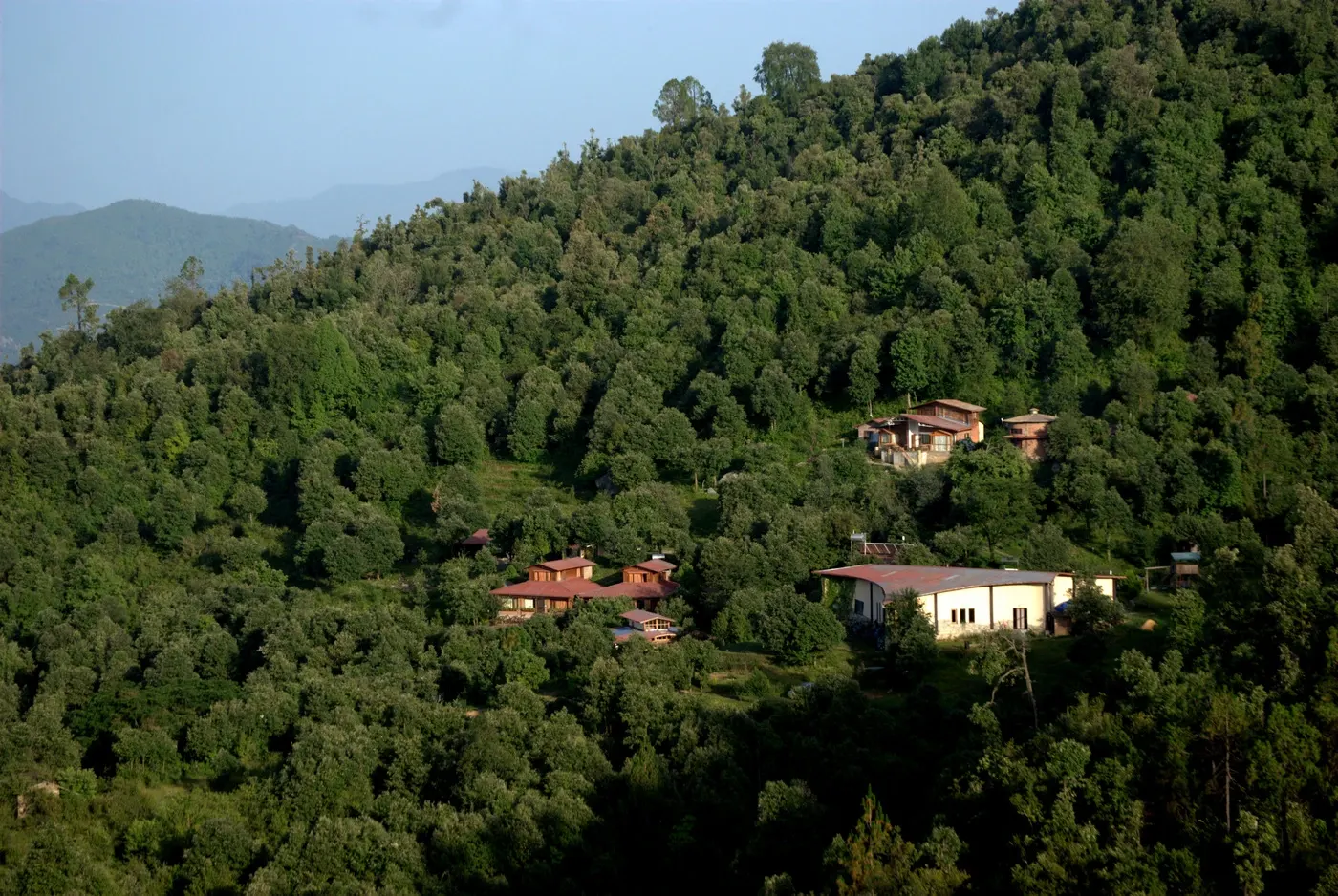
The Kumaon Himalayas in Uttarakhand offer a different natural experience in every season, from spring flowers and summer forest walks to monsoon greenery and clear winter mountain views. Located in the Upper Kumaon region, Misty Mountains Jhaltola provides a peaceful setting to experience the changing landscape, forest trails, Himalayan horizons, and seasonal beauty of the mountains.
Jhaltola's natural surroundings change throughout the year as temperatures shift, rainfall transforms the forests, clouds move across the valleys, and the visibility of distant Himalayan peaks varies with the weather. These seasonal changes make Misty Mountains Jhaltola an appealing destination for travellers interested in nature walks, birdwatching, mountain photography, and slow travel in Uttarakhand.
Understanding the best time to visit Jhaltola helps travellers plan outdoor activities, choose suitable clothing, and set realistic expectations about mountain views. While autumn and winter often offer clearer Himalayan visibility, spring and summer are attractive for outdoor exploration, and the monsoon brings a lush green landscape with more weather-related limitations.
Why Does the Landscape of Jhaltola Change With Every Season?
The seasonal landscape of Jhaltola reflects the broader climate patterns of the Kumaon Himalayas, where temperature, rainfall, cloud cover, and elevation influence the appearance of forests and mountain views.
During spring, the forest landscape begins to show fresh growth and flowering vegetation. Summer brings generally pleasant conditions in the higher hills compared with the hotter plains, while the monsoon covers the Kumaon mountains in greenery and frequently drifting mist.
After the monsoon, autumn often brings drier weather and improved visibility across the Himalayan horizon. Winter introduces colder mornings and evenings, and clear days can reveal impressive views of the distant mountain ranges.
According to the official Misty Mountains Jhaltola website, the property promotes different experiences throughout the year, including spring walks, summer forest immersion, monsoon relaxation, autumn birdwatching, and winter Himalayan views. The actual weather and visibility can vary from year to year.
January: Winter Mornings and Clear Himalayan Views
January is one of the coldest months around Jhaltola and Chaukori, making warm clothing essential for anyone planning a winter stay in the Kumaon Himalayas.
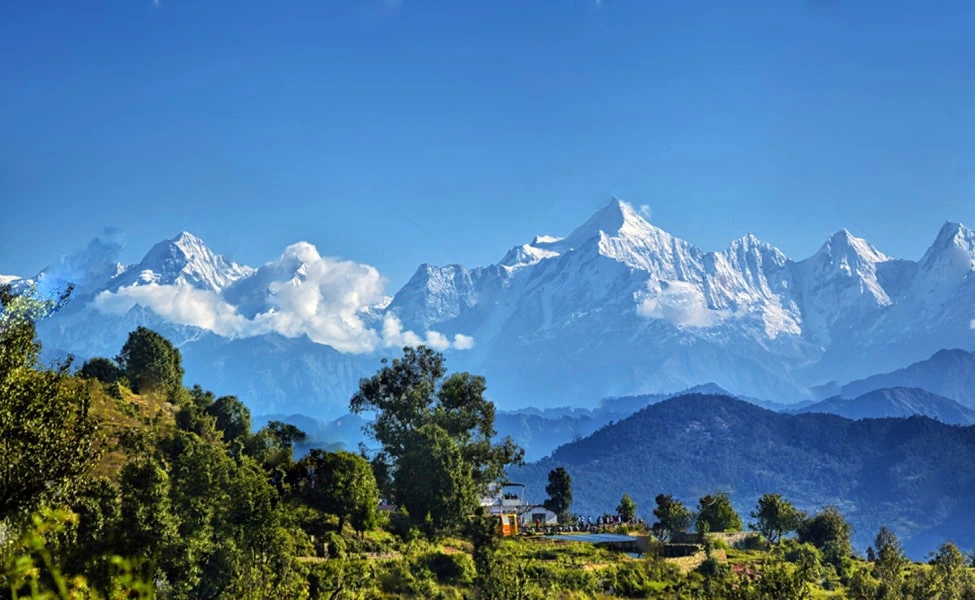
The winter landscape can feel especially peaceful, with crisp mornings, cold evenings, and quiet forest surroundings. When skies are clear, January can offer excellent opportunities to admire distant Himalayan peaks from suitable viewpoints around the region.
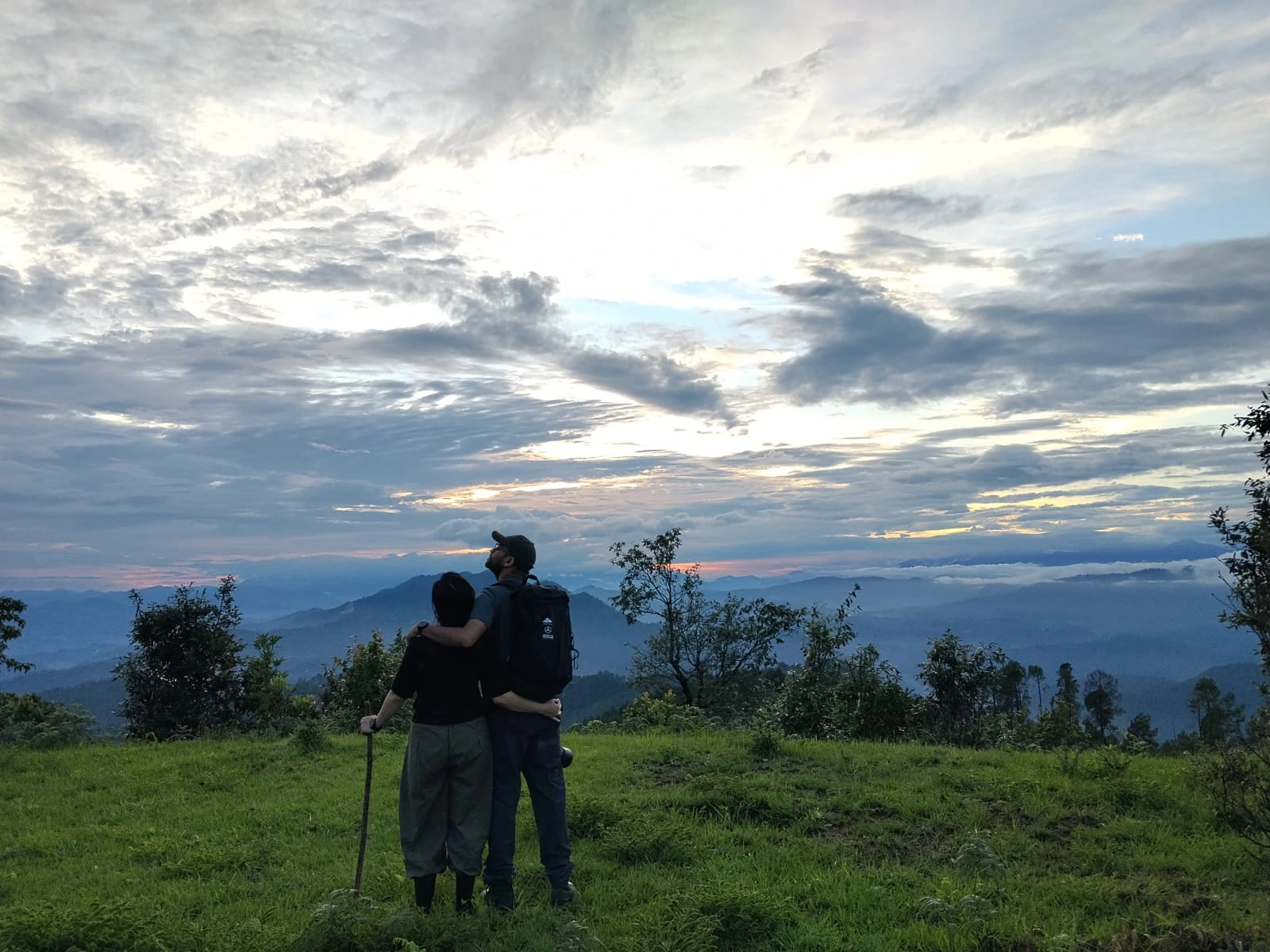
For travellers visiting Misty Mountains Jhaltola in January, the best outdoor experiences include short daytime forest walks, mountain photography, birdwatching, and enjoying the changing colours of sunrise and sunset.
Clear mountain views are possible in January, but clouds, winter weather systems, or haze can still obscure the Himalayan skyline. Snowfall is not guaranteed at Jhaltola itself, so travellers should check local conditions before expecting a snow-covered landscape.
Best January experiences in Jhaltola: Winter birdwatching, daytime nature walks, Himalayan photography on clear days, and peaceful evenings in the mountain environment.
February: The Last Weeks of Winter in Kumaon
February continues the winter season around Jhaltola, although temperatures gradually begin to rise as spring approaches.
The forest landscape remains relatively quiet, and clear weather can provide excellent opportunities for mountain photography and views of the Kumaon Himalayas. Early mornings and evenings can still be very cold, so warm layers remain important for outdoor activities.
February is suitable for travellers who enjoy a calm mountain retreat, nature observation, and the possibility of clear Himalayan views without relying on busy tourist attractions.
As the month progresses, the first signs of seasonal change may become noticeable in local vegetation. However, flowering periods depend on elevation, weather, and the particular plant species, so spring colours should not be expected everywhere at the same time.
Best February experiences in Jhaltola: Scenic forest walks, birdwatching, quiet mountain stays, and photography during clear weather.
March: Spring Begins in the Kumaon Himalayas
March marks the beginning of spring around Jhaltola, when temperatures gradually become more comfortable for spending time outdoors.
The transition from winter to spring brings changes in forest vegetation, flowering plants, and bird activity across parts of Kumaon. Rhododendrons bloom in suitable Himalayan habitats during the spring season, although the timing and intensity of flowering depend on local conditions.
For visitors staying at Misty Mountains Jhaltola, March can be a rewarding month for nature walks, birdwatching, and observing seasonal changes in the forest landscape.
The Himalayan mountain range may be visible on clear days, particularly during suitable morning weather. However, visibility can vary with cloud cover, atmospheric haze, and changing weather systems.
March is also a good time to explore the natural surroundings at a relaxed pace, provided walking routes are suitable and local weather conditions remain favourable.
Best March experiences in Jhaltola: Spring nature walks, seasonal flower observation, birdwatching, and Himalayan photography on clear days.
April: Flowers, Forest Walks, and Pleasant Mountain Weather
April brings further spring changes to the Kumaon Himalayas, with generally pleasant daytime conditions around Jhaltola and Chaukori.
The combination of mountain air, forest trails, and seasonal vegetation makes April a suitable month for outdoor experiences. Visitors can explore the surrounding landscape, observe flowering plants where present, and enjoy the quieter atmosphere of an Upper Kumaon retreat.
For travellers interested in birdwatching, April offers opportunities to observe forest birds and listen to their calls during nature walks. Sightings depend on species, habitat, time of day, and seasonal activity.
Mountain visibility in April can be good, although haze and afternoon clouds may sometimes reduce the clarity of distant peaks. Travellers hoping to photograph the Himalayan skyline should remain flexible and make use of clear weather windows.
Best April experiences in Jhaltola: Forest walks, spring photography, birdwatching, outdoor relaxation, and exploring the natural landscape of Kumaon.
May: A Comfortable Time for Mountain Escapes
May is generally a pleasant month for visiting the higher hills of Kumaon, especially for travellers seeking relief from the heat of the plains.
Around Jhaltola, the weather can support outdoor activities such as nature walks, forest exploration, picnics, and birdwatching. The surrounding vegetation provides an attractive setting for visitors who enjoy slow travel and time away from crowded destinations.
The Himalayan views can be impressive during clear mornings, but increasing atmospheric haze and afternoon cloud development may affect visibility on some days.
May is particularly suitable for families and travellers who want to spend time outdoors without the persistent rainfall associated with the monsoon. Evenings can be cooler than expected, so carrying a light jacket is sensible.
Best May experiences in Jhaltola: Forest bathing, nature trails, family picnics, birdwatching, and relaxed outdoor experiences in the Kumaon Himalayas.
June: Early Monsoon Changes the Mountain Weather
June marks the transition from the warmer pre-monsoon period towards the rainy season in Uttarakhand, although the timing of monsoon conditions varies each year.
Early June can still be suitable for outdoor exploration around Jhaltola, with generally pleasant conditions in the hills. Later in the month, increasing humidity, showers, and cloud cover may become more common.
Rainfall can transform the forests and valleys around Jhaltola, bringing fresh greenery and changing the appearance of the mountain landscape. However, clouds can obscure distant Himalayan peaks, making mountain photography less predictable.
Travellers visiting Misty Mountains Jhaltola in June should monitor weather forecasts, carry rain protection, and plan flexible outdoor activities. Local advice is particularly important when rainfall affects forest paths or mountain roads.
Best June experiences in Jhaltola: Early-morning walks during suitable weather, forest observation, quiet retreats, and enjoying the changing landscape between the pre-monsoon and monsoon seasons.
July: Monsoon Greenery and Misty Forests
July is typically part of the main monsoon season in the Kumaon Himalayas, when rainfall can make the forests around Jhaltola especially green.
The mountain landscape may be covered in mist, with clouds drifting across valleys and reducing the visibility of distant peaks. For travellers who appreciate rain-soaked forests, changing cloud formations, and quiet surroundings, the monsoon offers a very different experience from the clear skies of autumn and winter.
However, heavy rainfall can create slippery paths, disrupt outdoor activities, and increase the risk of landslides or road closures in parts of Uttarakhand.
Visitors should avoid assuming that every forest trail remains safe during the rainy season. Follow local guidance, check road conditions, and postpone outdoor excursions whenever the weather creates unsafe conditions.
Best July experiences in Jhaltola: Enjoying the monsoon landscape from safe locations, reading and relaxing indoors, observing forest greenery, and taking short walks only when local conditions permit.
August: The Lushest Side of the Kumaon Landscape
August generally continues the monsoon season in Jhaltola and the wider Kumaon region, bringing frequent rain, thick greenery, and misty mountain scenery.
Forests and valleys may appear especially vibrant as vegetation responds to rainfall. Streams and seasonal water flows may also change, depending on local rainfall and drainage conditions.
The monsoon atmosphere can make Misty Mountains Jhaltola appealing to travellers seeking a quiet retreat, time for reading, photography of rain clouds, or a slower holiday away from busy tourist centres.
However, August is not the most reliable month for uninterrupted Himalayan mountain views. Persistent clouds can hide the peaks for extended periods, while wet surfaces and heavy rainfall can limit nature walks.
For a safe monsoon stay, keep outdoor plans flexible, carry waterproof clothing, and follow local advice about road and trail conditions.
Best August experiences in Jhaltola: Observing lush forest scenery, enjoying quiet indoor activities, photographing mist when conditions are safe, and experiencing the slower rhythm of monsoon travel.
September: The Transition From Monsoon to Autumn
September is a transitional month in the Kumaon Himalayas, as monsoon conditions gradually begin to ease, although rainfall can continue during parts of the month.
The forest landscape often remains lush after the rainy season, while clearer intervals may offer occasional views across the valleys and distant Himalayan peaks.
For visitors interested in nature photography, September can provide a combination of green landscapes, moving clouds, and changing light. However, the timing of the monsoon withdrawal differs from year to year, so clear skies should not be assumed for a particular travel date.
Outdoor activities around Jhaltola become more practical when rainfall decreases and local paths begin to dry. Travellers should still check conditions before setting out, especially after heavy rain.
Best September experiences in Jhaltola: Landscape photography during clear intervals, forest walks when paths are safe, birdwatching, and enjoying the transition from monsoon greenery to autumn scenery.
October: Autumn Brings the Himalayan Landscape Into Focus
October is one of the most appealing months for visiting Misty Mountains Jhaltola, particularly for travellers interested in clear mountain views, forest walks, and birdwatching.
Following the main monsoon period, drier weather can improve visibility across the Kumaon Himalayas. On suitable days, the distant mountain skyline may appear sharper, making October a strong choice for landscape photography and sunrise views.
The forests retain much of their monsoon greenery, while the air often feels fresher and the weather becomes more comfortable for outdoor activities.
October is also highlighted by Misty Mountains Jhaltola as part of its autumn season, with an emphasis on Himalayan views, birdwatching, and time outdoors.
Visibility is never guaranteed, as local cloud cover and atmospheric conditions can change quickly. Planning a stay of more than one night can give travellers additional opportunities to enjoy clear weather if conditions vary.
Best October experiences in Jhaltola: Himalayan mountain photography, autumn birdwatching, forest walks, sunrise observation, and outdoor relaxation in the Kumaon landscape.
November: Crisp Weather and Scenic Mountain Horizons
November is another excellent month to consider for a visit to Jhaltola, as post-monsoon conditions often provide crisp air and good opportunities for Himalayan views.
The weather generally becomes colder, especially during early mornings and evenings, while daytime conditions can remain suitable for walking and outdoor exploration.
For travellers who enjoy peaceful mountain surroundings, November offers opportunities to experience the forests, observe birds, and appreciate the distant Himalayan skyline during clear weather.
The changing light of late autumn can also create attractive conditions for photography, particularly during sunrise and sunset. Visitors should carry warm clothing and allow enough time for outdoor activities during daylight hours.
Best November experiences in Jhaltola: Mountain photography, birdwatching, nature walks, peaceful stays, and clear-weather Himalayan viewing.
December: Winter Returns to the Mountains of Kumaon
December marks the return of winter conditions around Jhaltola, with colder nights and increasingly chilly mornings.
Clear winter days can offer excellent views of the distant Himalayan peaks, although clouds and weather systems may still affect visibility. Temperatures can drop significantly after sunset, making warm clothing essential for visitors planning outdoor activities.
The quieter winter atmosphere makes December suitable for travellers seeking a peaceful mountain retreat, scenic photography, and time away from the busy tourist season.
Snowfall should not be treated as a guaranteed feature of a December stay at Jhaltola. Conditions differ across elevations, and snow in higher Himalayan areas does not necessarily mean snowfall at the property.
Visitors should check the local forecast before travelling and confirm road conditions when winter weather is expected.
Best December experiences in Jhaltola: Winter nature walks during suitable weather, clear-day mountain photography, birdwatching, and relaxing in a peaceful Himalayan setting.
Which Month Is Best for Himalayan Mountain Views in Jhaltola?
For travellers whose main goal is to see the distant Himalayan peaks, October and November are particularly attractive months because post-monsoon weather often brings clearer skies and improved visibility.
December, January, and February can also provide excellent mountain views during clear weather, although colder conditions require suitable clothing and flexible outdoor plans.
March and April offer a combination of spring vegetation, nature walks, and possible Himalayan views, while May and June are appealing for comfortable outdoor experiences before the main monsoon period.
During July and August, persistent cloud cover and rainfall can reduce visibility considerably. September is a transition month, and the chances of clear views often improve as the monsoon withdraws.
The best time for mountain photography ultimately depends on the weather during your stay. Even in a generally favourable month, clouds or haze may temporarily hide the Himalayan skyline.
When Is the Best Time for Nature Walks and Birdwatching in Jhaltola?
Nature walks around Misty Mountains Jhaltola can be enjoyable in several seasons, provided the weather and trail conditions are suitable.
March to June is attractive for spring and early-summer exploration, with opportunities to observe vegetation, forest birds, and seasonal changes in the landscape.
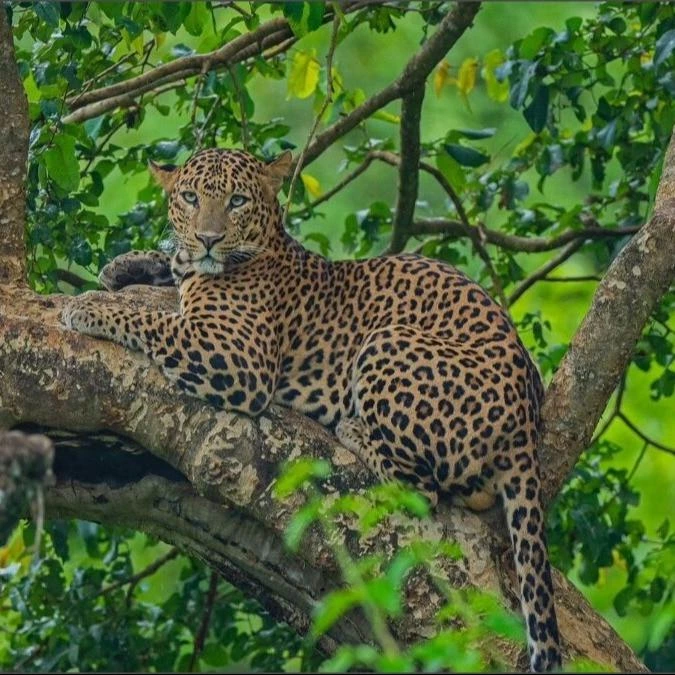
October to March is particularly relevant for visitors interested in autumn and winter birdwatching, as the property highlights this period for its birding experience. The species observed can vary with season, and individual sightings are never guaranteed.
Monsoon walks require greater caution because heavy rainfall can make trails slippery and affect access. Travellers should choose activities according to local guidance rather than following a fixed itinerary regardless of weather.
For a balanced nature holiday, plan outdoor activities for the morning when conditions are suitable, carry water and appropriate clothing, and allow time to enjoy the landscape without rushing.
What Should You Pack for a Seasonal Stay at Misty Mountains Jhaltola?
Packing for Jhaltola depends on the season, but the mountain climate makes layers useful throughout the year.
For spring and summer in Kumaon: Pack comfortable walking shoes, breathable clothing, a light jacket, sun protection, and a reusable water bottle.
For the monsoon season in Jhaltola: Carry a waterproof jacket, quick-drying clothing, suitable footwear with good grip, and protection for electronic devices.
For autumn in the Kumaon Himalayas: Pack layers for comfortable daytime walks and warmer clothing for cooler evenings, along with binoculars or a camera if you enjoy birdwatching and mountain photography.
For winter in Jhaltola: Bring warm jackets, thermals, gloves, woollen socks, and comfortable shoes suitable for cold conditions.
Before travelling, check the local weather forecast and ask Misty Mountains Jhaltola about current conditions, especially if you plan to spend extended periods outdoors.
Responsible Nature Tourism in the Kumaon Himalayas
Responsible nature tourism helps protect the forests, wildlife, and mountain environment that make Jhaltola special.
Visitors should remain on suitable paths, avoid littering, respect local communities, and never disturb birds or other wildlife for photographs. During the monsoon, it is especially important to follow local advice and avoid exposed slopes or unsafe trails.
Mountain weather can change rapidly, so checking forecasts and adjusting plans are essential parts of responsible travel in Uttarakhand.
By travelling thoughtfully, visitors can enjoy the seasonal beauty of the Kumaon Himalayas while helping preserve the natural landscape for future generations.
Frequently Asked Questions About the Seasons in Jhaltola
What is the best month to visit Misty Mountains Jhaltola?
October and November are strong choices for travellers seeking Himalayan views, pleasant daytime weather, and autumn birdwatching. March to June is also attractive for nature walks and outdoor activities, while winter suits travellers who enjoy colder weather and clear-day mountain scenery.
When are the Himalayan peaks most visible from Jhaltola?
Himalayan peaks are often more visible during post-monsoon autumn and clear winter weather. October to February can offer favourable viewing opportunities, but actual visibility depends on cloud cover, haze, and local weather.
Is the monsoon a good time to visit Jhaltola?
The monsoon brings lush forests, mist, and a peaceful atmosphere to Jhaltola. However, heavy rainfall can obscure mountain views and create slippery trails or road disruptions, so visitors should plan flexibly and follow local safety advice.
Can visitors expect snowfall at Misty Mountains Jhaltola in winter?
Snowfall at the property is not guaranteed. Winter can bring cold temperatures and clear mountain views, while snowfall depends on the weather and elevation.
Which season is best for birdwatching in Jhaltola?
Misty Mountains highlights autumn and winter, particularly October to March, for birdwatching. Spring and summer can also offer rewarding birdwatching opportunities, depending on species and conditions.
Is Jhaltola suitable for a family holiday throughout the year?
Jhaltola can offer different family experiences in different seasons, from spring walks and summer picnics to autumn mountain views and peaceful winter stays. Families should consider weather, clothing, road conditions, and the suitability of outdoor activities before travelling.
Experience Every Season at Misty Mountains Jhaltola
Every season gives the Kumaon Himalayas a different character, from the fresh growth of spring and the comfortable outdoor weather of early summer to the lush monsoon forests and crisp mountain views of autumn and winter.
Misty Mountains Jhaltola offers a setting for travellers who want to experience this changing landscape through nature walks, birdwatching, forest immersion, and unhurried time in the mountains.
Whether you visit for autumn Himalayan views, spring forest trails, a quiet monsoon retreat, or a peaceful winter holiday, the best experience comes from understanding the season and planning around the weather.
Plan your stay at Misty Mountains Jhaltola and experience the changing beauty of Kumaon, Uttarakhand, one season at a time.