The modern urban environment is characterized by an unyielding sensory assault. For professionals, creators, and strategists living in concrete landscapes, daily life is governed by artificial lights, traffic noise, and the constant chime of digital devices. This continuous high-stimulus lifestyle leaves the human brain in a state of cognitive fatigue, stripping away creative precision and emotional balance. While many attempt to find relief in mainstream, commercial hill stations, they often discover that crowded resorts and high-density tourist hubs merely replicate the noise they left behind.
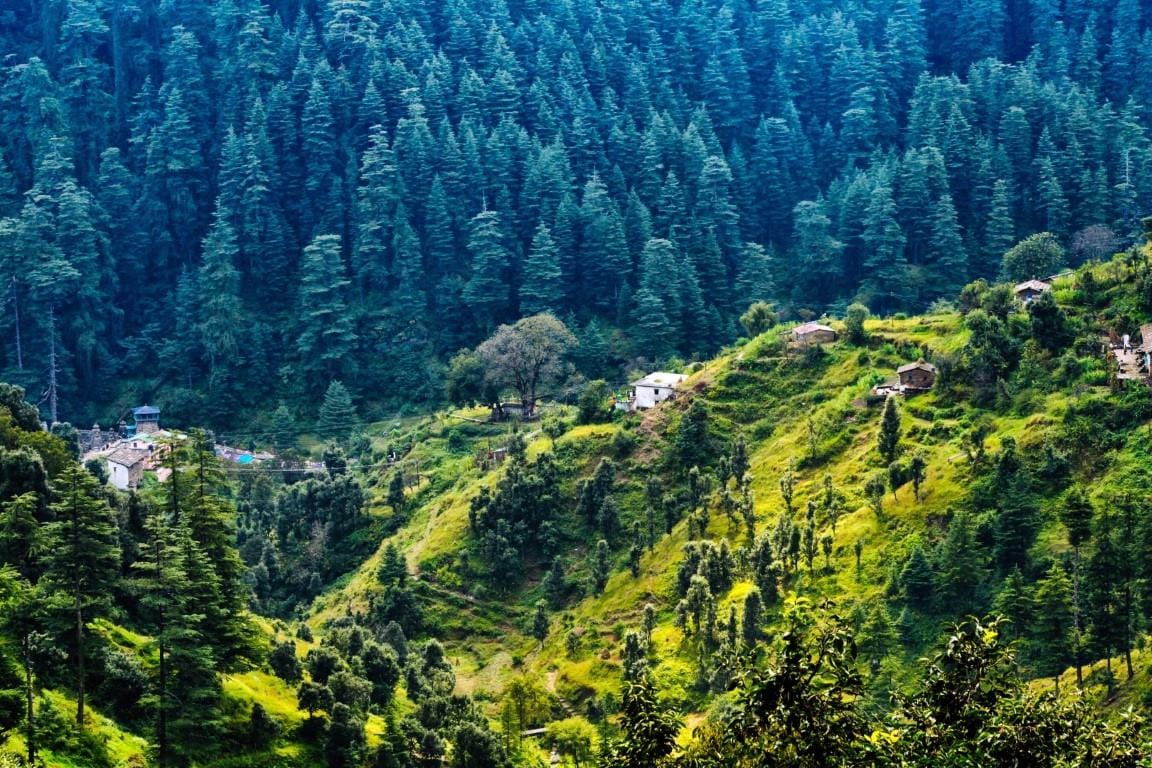
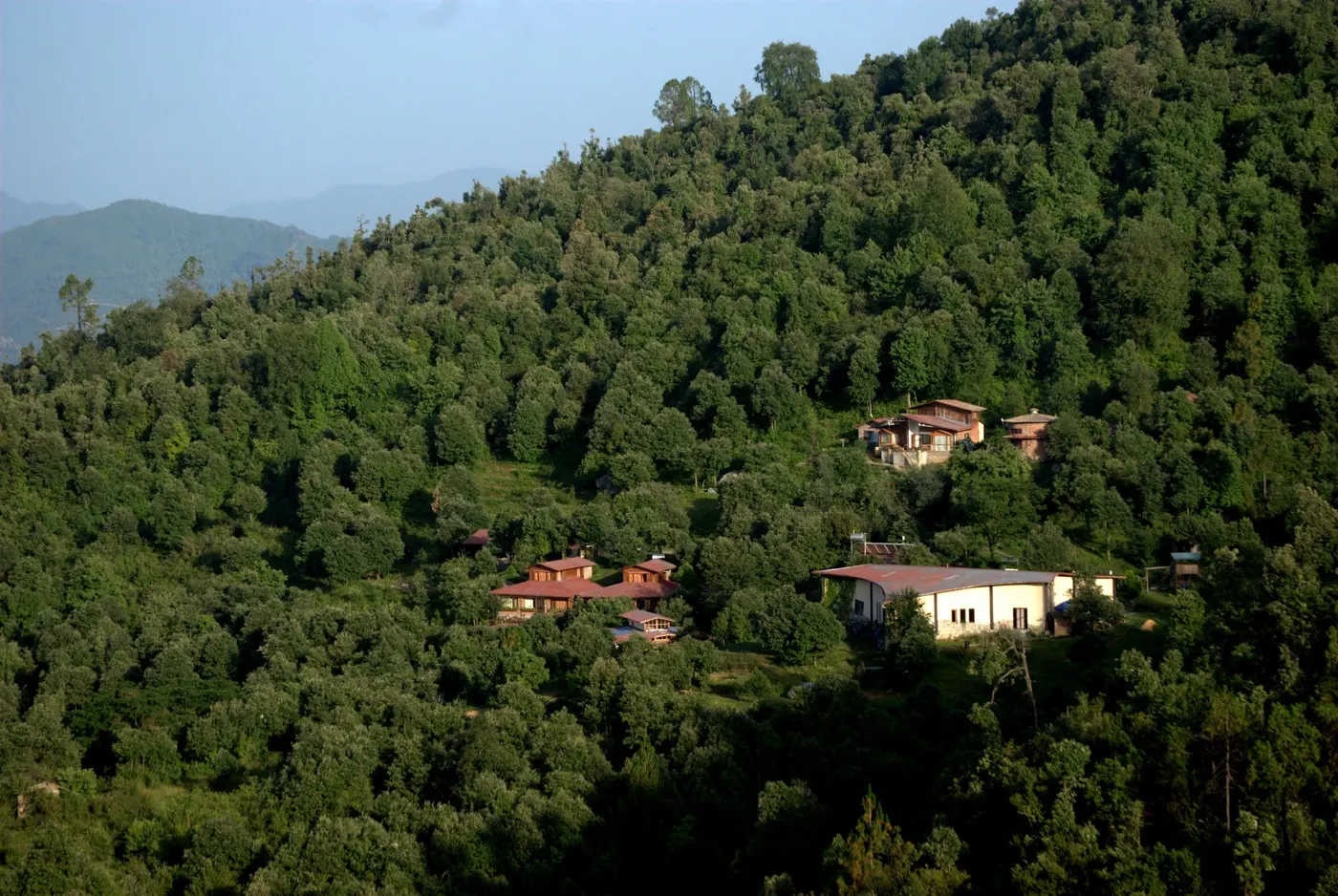
True biological recovery requires stepping completely out of the commercial loop and entering a pristine, unshared natural ecosystem. Deep within the untouched interiors of Upper Kumaon, the 1000-acre private forest estate of Misty Mountains Jhaltola serves as a preserved ecological sanctuary. This vast woodland, dense with ancient trees and vibrant wildlife, operates as a living healing mechanism for the human nervous system.
When your attention shifts from a digital screen to the complex textures of a living forest, your mind undergoes a profound transition. The study of nature is an active meditation that restores mental stamina and lowers baseline anxiety to zero. To guide your next mindful immersion, let us explore the top five bird species and flora that thrive within the private wilderness of Jhaltola, demonstrating why this protected valley is a haven for biodiversity and human restoration.
Part 1: The Avian Sanctuary – Top 5 Bird Species of Jhaltola
The private valley of Jhaltola is a critical habitat for rare and migratory Himalayan avifauna. Because the 1000-acre estate is strictly protected from commercial development, deforestation, and tourist traffic, it preserves a complex multi-layered canopy where birds can nest, forage, and thrive undisturbed. For travelers, observing these species provides an effortless exercise in mindfulness, anchoring the wandering mind to the vivid colors and rhythms of the natural world.
1. The Himalayan Monal (Lophophorus impejanus)
The undisputed icon of high-altitude Himalayan avifauna, the Himalayan Monal is a bird of breathtaking beauty. The males possess an iridescent, multicolored plumage featuring metallic shades of green, blue, purple, and bronze, topped with a distinct crest. Witnessing a Monal take flight against a backdrop of snow-capped peaks is a rare and profound experience.
Within the protected slopes of Jhaltola, these birds find safety in the dense undergrowth and open clearings. Tracking the Monal requires quiet patience and keen observation. This slow, deliberate practice forces an urban mind to abandon its frantic pace, replacing digital restlessness with deep, focused awareness.
2. The Great Barbet (Psilopogon virens)
The deep, resonant call of the Great Barbet is the true soundtrack of the Kumaoni wilderness. As the largest of the Barbet species, this bird features a striking, heavy yellow bill, a dark blue head, and a vibrant green body accented by a bright red vent. Despite their large size, they blend seamlessly into the high forest canopy.
The Barbet's repetitive, rhythmic call echoes through the valleys of Jhaltola from dawn until dusk. For a remote professional seeking focus, this natural cadence acts as a steady anchor. Immersing yourself in an environment shaped by organic sounds provides your mind with a deep acoustic rest, allowing cognitive clarity to return naturally.
3. The Common Green Magpie (Cissa chinensis)
A flash of brilliant color among the shaded oak trails, the Common Green Magpie is one of the most striking birds found within the Jhaltola estate. It features a vivid leaf-green plumage, rich chestnut wings, a thick black band running through its eyes, and a bright red bill and legs.
These highly intelligent birds are typically found in pairs or small family groups, moving through the lower and mid-canopy with sharp, varied calls. Observing their lively interactions requires you to step out of your internal narrative and engage entirely with the present moment, breaking the cycle of chronic overthinking.
4. The Koklass Pheasant (Pucrasia macrolopha)
Unlike many of the brighter pheasant species, the Koklass Pheasant relies on elegant, intricate camouflage to navigate the forest floor. They feature beautifully detailed streaked gray and brown plumage, with males displaying a distinct dark green head, long crests, and a bold white patch on the side of the neck.
The Koklass Pheasant is an elusive resident of the dense, undisturbed oak and rhododendron forests of Jhaltola. Because they are highly sensitive to human noise, they thrive only in areas of absolute isolation. Catching a glimpse of a Koklass on an early morning walk is a testament to the uncompromised privacy and untouched wilderness that defines this private estate.
5. The Rufous-bellied Niltava (Niltava sundara)
A jewel of the lower canopy and forest undergrowth, the Rufous-bellied Niltava is a small flycatcher that brings vibrant color to the deep woods. The male displays an intense deep blue upper body, a glowing cobalt crown and shoulder patch, and a brilliant orange-rufous belly that contrasts sharply with the dark forest floor.
The Niltava sits quietly on low branches, making swift, elegant aerial sweeps to catch insects before returning to its perch. Watching this bird requires still, unhurried observation. This deliberate deceleration is a core principle for resetting a strained nervous system, shifting your internal energy from frantic activity to peaceful presence.
Part 2: The Living Canopy – Top 5 Flora Species of Jhaltola
The incredible bird life of Jhaltola exists because of the vibrant health of its plant life. The 1000-acre estate acts as a vital carbon shield and single-digit AQI sanctuary because its vast plant life has been allowed to mature naturally over centuries. This rich green canopy purifies the atmosphere and fills the air with organic compounds that actively repair human biology.
1. The Tree Rhododendron (Rhododendron arboreum)
Known locally as Buransh, the Tree Rhododendron is the soul of the Kumaon forest. Growing into massive, ancient trees rather than small shrubs, these specimens dominate the hillsides of Jhaltola. When spring arrives, the forest undergoes a spectacular transformation as the canopy bursts into a dense sea of crimson blossoms.
Beyond its visual beauty, the Rhododendron provides a vital source of nourishment for the valley’s birds and insects. The fresh petals are carefully harvested by our team to create therapeutic local juices and teas. Drinking this fresh blend during your stay introduces clean, antioxidant-rich mountain nutrition directly into your system.
2. The Banj Oak (Quercus leucotrichophora)
The Banj Oak is the true ecological foundation of the Kumaon hills. These grand, moss-covered trees form the dense, protective forest shield that covers Jhaltola. Their extensive root systems act as natural sponges, collecting monsoon rainwater and releasing it slowly throughout the year to feed natural, crystal-clear mountain springs.
Walking beneath the shade of these ancient oak trees is a powerful therapeutic experience. The dense canopy blocks out harsh sunlight and noise, creating a cool, quiet microclimate. Inhaling the pure air inside this mature forest section helps clear away mental fatigue and restores physical energy.
3. The Himalayan Deodar (Cedrus deodara)
The name Deodar is derived from ancient roots meaning "Timber of the Gods," and these magnificent conifers carry an undeniable presence. Growing perfectly straight toward the sky, these towering trees feature dense needles and a rich, aromatic wood that infuses the Jhaltola breeze with a distinct, clean scent.
Deodar forests release high concentrations of Phytoncides—organic, antimicrobial compounds that trees produce to protect themselves. When you spend time among the Deodars, inhaling these compounds reduces your cortisol levels, balances blood pressure, and boosts immune system performance, providing an internal reset that city life cannot replicate.
4. The Chir Pine (Pinus roxburghii)
Occupying the sunnier ridges and open slopes of the estate, the Chir Pine brings a unique texture and sound to the Jhaltola landscape. Characterized by long, slender needles and robust wooden cones, these trees sway gracefully in the mountain breeze, creating a gentle, whispering sound that flows across the valley.
The dry pine needles create a soft, golden carpet across the forest floor. Walking along these pine-lined paths encourages a slow, rhythmic pace. The gentle rustle of the wind through the long needles provides a soothing natural backdrop that helps ease internal stress and calm an overactive mind.
5. Wild Himalayan Clematis (Clematis montana)
Bringing a delicate balance to the rugged mountain forest, the Wild Himalayan Clematis is a vigorous climbing vine that weaves through the lower canopy and drapes over ancient stone paths. In late spring, it produces a profusion of delicate white and pale pink blossoms that fill the forest air with a soft, sweet fragrance.
The Clematis reminds us of the delicate connections that hold a wild ecosystem together. It softens the grand landscape, inviting travelers to focus on fine details rather than just vast views. This shift in attention sharpens your observational awareness and restores your capacity for deep, creative focus.
Part 3: The Interconnected Sanctuary – Why This Ecosystem Heals
The unique value of Jhaltola does not lie in any single bird or tree; it lies in the uncompromised connection of the entire ecosystem. In a standard commercial luxury hotel, nature is often reduced to manicured lawns, isolated decorative planters, and artificial water features. This synthetic approach fails to provide genuine restoration because it lacks the living energy of a mature, intact wilderness.
When you enter a genuine 1000-acre private forest, you are stepping into a complex, self-sustaining ecosystem where every element supports another:
-
The Oak and the Springs: The mature Banj Oak trees retain pure water within the soil, feeding the natural springs that supply the resort with sweet, mineral-rich spring water for your daily meals.
-
The Canopy and the Soundscape: The vast height of the Deodars and Pines absorbs ambient noise, creating a quiet sanctuary where the delicate calls of the Niltava and Barbet can guide your thoughts.
-
The Pure Air and Deep Work: This massive green canopy acts as a natural purifier, maintaining air quality in the single digits. This oxygen-rich environment increases your energy levels, making it easy to sustain deep focus over extended periods.
For remote professionals, creative leaders, and entrepreneurs looking to step away from city pressures without sacrificing executive performance, this natural sanctuary provides the ultimate setting for a long-term retreat. Balancing professional execution with this level of ecological immersion allows you to establish a highly efficient routine. To learn how to structure your daily schedule around this balance of isolation and connectivity, read our comprehensive framework on How to Plan the Perfect Himalayan Workation (The Digital Detox Deep Work Rule).
Part 4: Embodying the Slowcation Framework
To truly benefit from the biological and psychological healing power of Jhaltola’s private forest, you must step away from the fast-paced habits of commercial tourism. If you visit a natural sanctuary with the same rushed energy used to manage a corporate project, your mind will remain closed to the restorative benefits around you.
A premium "Slowcation" requires an absolute change in pace:
-
Practice Screen-Free Trail Exploration: Dedicate at least two hours every afternoon to exploring the inner forest paths completely screen-free. Leave your smartphone behind and let your eyes adjust to the soft variations of green, brown, and gold in the woods.
-
Engage in Still Avi-Fauna Observation: Find a comfortable spot on a wooden deck facing the peaks or near a quiet forest clearing. Sit silently for thirty minutes with a pair of binoculars, tracking the movements of the Green Magpie or listening for the call of the Great Barbet.
-
Consume Real, Mindful Nutrition: Allow your body to heal from the inside out by enjoying our farm-to-table culinary offerings. Savor traditional Kumaoni dishes slow-cooked with fresh local ingredients and clean mountain spring water, restoring your physical energy while the forest restores your mind.
Conclusion: Returning to True Scale
The long-running debate between conventional luxury and experiential eco-isolation comes down to a clear choice of environment. High-density commercial properties ask you to spend a premium to remain inside a crowded, controlled setting that mimics the underlying stress of the city. True eco-luxury invites you to invest in your long-term health and creative longevity, providing an expansive sanctuary where your peace of mind is treated as the highest priority.
Misty Mountains Jhaltola offers a beautiful alternative pathway. It invites you to step away from the noise of mass tourism and settle into a pure, balanced environment. When you plan your next essential break, do not look for another busy hotel lobby. Choose true scale, choose silent isolation, and let the wild canopy of Jhaltola restore your mind.
🔴 PLAN YOUR IMMERSIVE NATURE RETREAT NOW
Ready to escape urban burnout, leave the concrete crowds behind, and experience the calming power of an unshared 1000-acre private forest sanctuary firsthand? Connect with our travel curators to design a personalized multi-day wilderness getaway tailored to your peace and quiet.
-
Call / WhatsApp: +91 99270 39123
-
Locate Our Sanctuary: Jhaltola, Near Raiagar, Pithoragarh District, Uttarakhand, India
-
Explore Seasonal Options: Plan Now