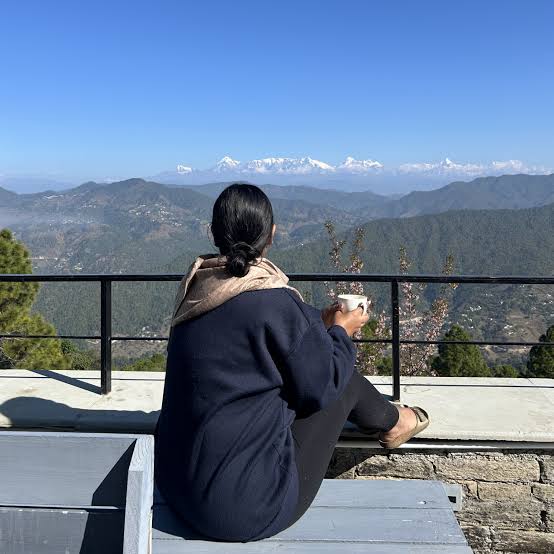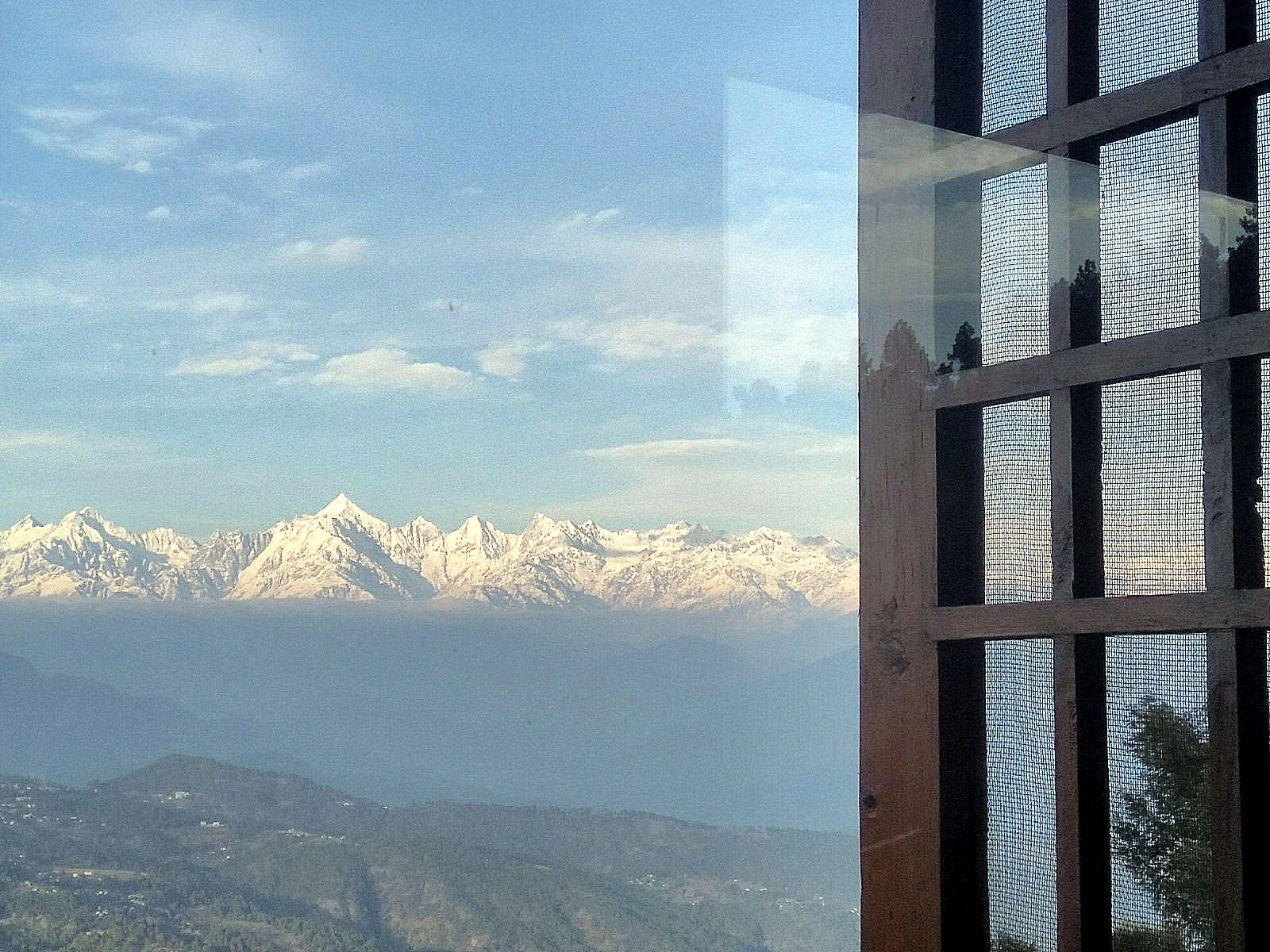
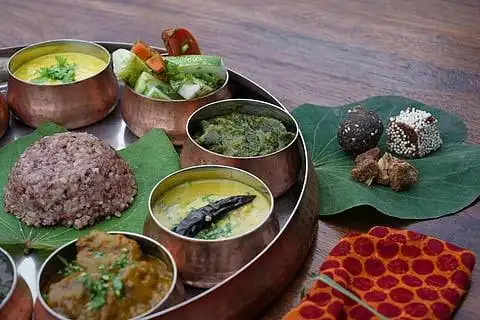
A journey through the Kumaon Himalayas is incomplete without discovering its food. Beyond the mountains and peaceful villages, the region has a rich culinary heritage worth exploring.
Kumaoni cuisine reflects the land, climate and agricultural traditions of Uttarakhand. Local millets, pulses, seasonal vegetables and traditional spices come together to create flavours that have been passed down through generations.
From Bhatt Ki Churkani to Mandua Roti and Bal Mithai, every dish offers a glimpse into the region's identity. For travellers exploring Jhaltola, Chaukori, Berinag and Upper Kumaon, discovering these local flavours can become a memorable part of the journey.
1. Understanding the Food Culture of Kumaon
Traditional Kumaoni food is closely connected with mountain agriculture and locally available ingredients. Grains such as mandua and jhangora, along with pulses like bhatt and gahat, have long been important parts of everyday meals.
The cuisine is known for its simple preparation and distinctive flavours. Recipes often vary between villages and households, with families adding their own traditional methods and ingredients.
This makes exploring Kumaoni food particularly interesting. There is always something new to discover, even when trying a familiar dish.
2. Bhatt Ki Churkani: A Traditional Kumaoni Favourite
Bhatt Ki Churkani is one of the most recognisable dishes of Kumaoni cuisine. It is prepared using bhatt, a variety of black soybean commonly used in the region.
The beans are cooked with spices to create a rich, flavourful curry. Some traditional recipes use wheat flour to give the preparation its characteristic consistency.
It is commonly served with steamed rice and makes a satisfying traditional meal. If you are discovering Kumaoni food for the first time, this is one dish worth trying.
3. Kafuli: The Green Goodness of the Himalayas
Kafuli is a traditional Uttarakhand dish prepared using green leafy vegetables such as spinach and fenugreek leaves.
The greens are cooked and blended into a thick preparation with local spices. Its flavour and texture make it different from an ordinary vegetable curry.
Kafuli highlights the importance of seasonal vegetables in mountain cooking. It is often enjoyed with rice and other traditional accompaniments.
4. Chainsoo: A Rich and Distinctive Lentil Preparation
Chainsoo is a traditional lentil dish associated with Uttarakhand's Pahari food culture. It is generally prepared using roasted black gram or other lentils.
The roasted lentils are ground and cooked with spices. This process gives Chainsoo its distinctive aroma and rich flavour.
Usually served with steamed rice, it is a hearty meal that showcases the creativity of traditional mountain cooking.
5. Dubuk: Comfort Food from the Kumaon Kitchen
Dubuk is a traditional Kumaoni preparation made using pulses such as bhatt. The lentils are soaked, ground and slowly cooked to create a thick, smooth dish.
Different households use different pulses and preparation methods. This gives the dish variations in flavour and texture.
Dubuk is a wonderful example of how simple local ingredients can create memorable traditional food.
6. Mandua Roti: The Traditional Taste of Mountain Agriculture
Mandua, also known as finger millet or ragi, is an important traditional grain of Uttarakhand. Its flour is used to prepare rotis with a distinctive colour and earthy flavour.
Mandua rotis are commonly enjoyed with local vegetables, dal and chutneys. Their preparation requires a little practice because the dough is more delicate than regular wheat dough.
Beyond its taste, mandua represents the agricultural heritage of the Himalayan region. Trying a freshly prepared mandua roti is a simple way to experience this food tradition.
7. Gahat Ki Dal: A Taste of Traditional Pahari Cooking
Gahat, commonly known as horse gram, is another traditional pulse used in Uttarakhand cuisine.
Gahat Ki Dal is prepared with spices and usually served with rice. Its earthy flavour makes it a distinctive part of regional cooking.
In some parts of Uttarakhand, gahat is also used to prepare Ras, a traditional preparation made by bringing together the flavours of different pulses.
Recipes vary between households, making each preparation slightly different.
8. Aloo Ke Gutke: A Simple Dish Full of Flavour
Aloo Ke Gutke is a popular Kumaoni preparation made with potatoes, mustard oil and traditional spices.
The potatoes are cooked with ingredients such as red chilli, turmeric and coriander. Jakhya, a traditional seasoning used in Uttarakhand, is often added for its distinctive aroma.
It is commonly enjoyed with Bhang Ki Chutney and can be served as a snack or part of a larger meal. Its appeal lies in the combination of simple ingredients and bold flavours.
9. Bhang Ki Chutney: A Distinctive Kumaoni Accompaniment
Bhang Ki Chutney is one of the most distinctive accompaniments in Kumaoni cuisine. It is prepared using roasted hemp seeds, green chillies, citrus juice and seasonings.
The ingredients are ground together to create a chutney with a nutty and tangy flavour. It is often served with Aloo Ke Gutke and other traditional meals.
Despite its name, this is a traditional culinary preparation made using seeds, not an intoxicating preparation.
For travellers who enjoy discovering regional flavours, Bhang Ki Chutney is definitely worth trying.
10. Sisunak Saag: A Traditional Preparation Using Stinging Nettle
Sisunak, commonly known as stinging nettle, is a plant used in traditional Himalayan food practices.
After proper identification, handling and cooking, its leaves can be used to prepare saag and other local dishes. Raw leaves can cause skin irritation, so they should never be handled or consumed casually.
Sisunak-based dishes reflect the traditional knowledge of local communities and their familiarity with the surrounding environment.
11. Jhangora Ki Kheer: A Traditional Sweet Treat
Jhangora, also known as barnyard millet, is another traditional grain used in Uttarakhand cuisine.
One of its popular preparations is Jhangora Ki Kheer. It is cooked slowly with milk and sugar until it develops a creamy consistency.
Cardamom and dry fruits may be added for flavour. This traditional dessert is an interesting alternative to the usual rice-based kheer.
12. Kumaon's Famous Sweets: Bal Mithai and Singori
Kumaon is also known for its traditional sweets. Two of the most recognisable are Bal Mithai and Singori, both associated with the culinary heritage of Almora.
Bal Mithai
Bal Mithai is one of the most famous sweets of Kumaon. It is made using roasted khoya and traditionally coated with small white sugar balls.
Its deep brown colour and rich flavour make it instantly recognisable. Many travellers visiting Almora purchase it as a local speciality to take home.
Singori
Singori is another traditional Kumaoni sweet made using khoya, sugar and flavouring ingredients.
Its most distinctive feature is its traditional wrapping in a leaf from the Malu plant. The leaf gives the sweet its characteristic appearance.
Both sweets offer a delicious introduction to the traditional flavours of the Almora region.
13. Arsa and Other Traditional Homemade Delicacies
Kumaon's food culture includes several traditional sweets prepared during festivals, family gatherings and special occasions.
Arsa is made using rice flour and jaggery. The mixture is shaped and fried to create a sweet with a distinctive texture and flavour.
Another preparation is Rot, a traditional sweet bread-like delicacy. Recipes vary between households and communities.
These homemade preparations are closely connected with family traditions, with recipes often passed down through generations.
14. The Ingredients That Give Kumaoni Food Its Identity
The identity of Kumaoni cuisine comes from its traditional ingredients. Many of these have been part of mountain agriculture and household cooking for generations.
Some important ingredients include:
-
Mandua: Finger millet used to prepare rotis and other dishes.
-
Jhangora: Barnyard millet used in savoury preparations and desserts.
-
Bhatt: Black soybean used in Bhatt Ki Churkani and Dubuk.
-
Gahat: Horse gram used in traditional dals and other preparations.
-
Jakhya: A traditional seasoning seed used in Uttarakhand cooking.
-
Bhang Seeds: Used to prepare the distinctive Bhang Ki Chutney.
-
Seasonal Greens: Local leafy vegetables used in traditional preparations.
Together, these ingredients reflect a food culture shaped by mountain agriculture and regional knowledge.
15. Where Can You Experience Traditional Kumaoni Food?
Exploring local food is an excellent way to understand the culture of Kumaon. Traditional eateries, local restaurants and family-run kitchens may offer regional preparations, although availability varies by location.
Here are a few places to explore during your journey.
Explore Local Food in Almora
Almora is a great destination for travellers interested in traditional Kumaoni sweets. Bal Mithai and Singori are particularly associated with the town.
Explore local sweet shops and ask about their traditional preparations.
Discover Local Flavours Around Chaukori
Chaukori offers an opportunity to enjoy regional food while experiencing its beautiful mountain surroundings.
Ask local eateries whether they serve mandua roti, bhatt-based dishes or traditional chutneys.
Explore Berinag and Nearby Villages
Smaller towns and villages can offer a more personal introduction to local food habits. You may discover regional ingredients and traditional preparations that are less familiar to visitors.
Availability depends on the establishment and season, so enquire before planning a specific food experience.
Experience Regional Food Around Jhaltola
A stay around Jhaltola can also be an opportunity to discover the local flavours of Upper Kumaon.
Discuss your meal preferences with your accommodation provider in advance. Some traditional preparations may require advance planning depending on ingredient availability.
16. Food Is One of the Best Ways to Understand a Destination
Travel is often remembered through the places we visit, but food can create equally lasting memories.
A traditional meal introduces you to local ingredients, agricultural practices and household traditions. It also shows how communities have developed recipes around the resources available in their surroundings.
In Kumaon, this connection is particularly interesting. Millets, pulses, seasonal vegetables and local herbs continue to influence the region's culinary identity.
For travellers, trying unfamiliar dishes can make a holiday more meaningful. Ask about the ingredients, learn their local names and discover the stories behind the recipes.
17. A Few Tips for Exploring Kumaoni Cuisine
If you are planning a food-focused journey through Kumaon, keep these suggestions in mind:
-
Ask for local specialities: Explore regional dishes instead of choosing only familiar food.
-
Try traditional grains: Look for mandua roti and jhangora-based preparations.
-
Explore local pulses: Bhatt and gahat are important ingredients in Kumaoni cooking.
-
Taste regional chutneys: Try Bhang Ki Chutney with traditional meals.
-
Save room for sweets: Discover Bal Mithai and Singori when visiting Almora.
-
Mention dietary preferences: Inform your restaurant or accommodation about allergies and food restrictions.
-
Support local businesses: Choose local food establishments whenever possible.
Remember that recipes and availability can vary between villages, towns and seasons.
18. Discover Kumaon's Flavours During Your Stay at Misty Mountains Jhaltola
A journey through Upper Kumaon offers much more than beautiful mountain scenery. It provides an opportunity to discover the region through its food, culture and everyday experiences.
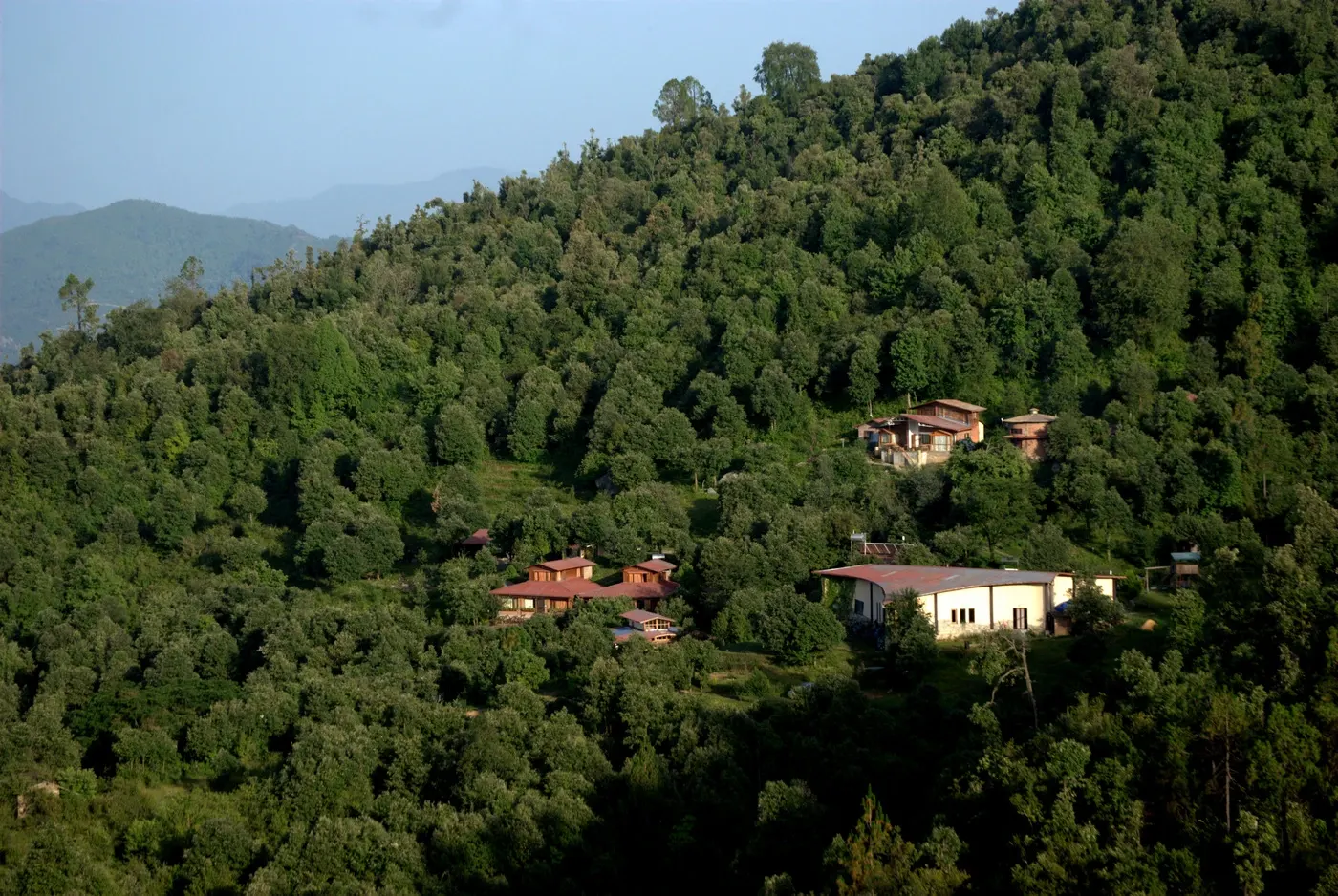
Misty Mountains Jhaltola offers a forest-surrounded setting for travellers who want to explore the quieter side of the Kumaon Himalayas.
From Jhaltola, you can plan excursions towards Chaukori, Berinag, Gangolihat and other destinations in the region. These journeys also offer opportunities to discover local markets and traditional food.
After a day exploring the mountains, enjoying a relaxed meal can become one of the most memorable parts of your stay.
If you are planning a visit, speak with the Misty Mountains team about available meal arrangements and regional food preferences.
Because discovering a destination is not only about seeing its landscapes. It is also about experiencing the flavours that belong to it.
Conclusion: Let Kumaon's Food Become Part of Your Journey
Kumaoni cuisine is a reflection of the region's land, traditions and people.
From Bhatt Ki Churkani and Chainsoo to Mandua Roti, Gahat Ki Dal and Aloo Ke Gutke, every dish introduces a different part of the local culinary identity.
Traditional sweets such as Bal Mithai and Singori add another dimension to the experience, while ingredients like mandua, jhangora and bhatt reflect the agricultural heritage of the mountains.
So, on your next journey through Jhaltola, Chaukori and Upper Kumaon, look beyond the viewpoints and scenic roads. Make time for a traditional meal and discover the stories behind the recipes.
Come for the mountains. Stay for the experience. And take home the flavours of Kumaon.