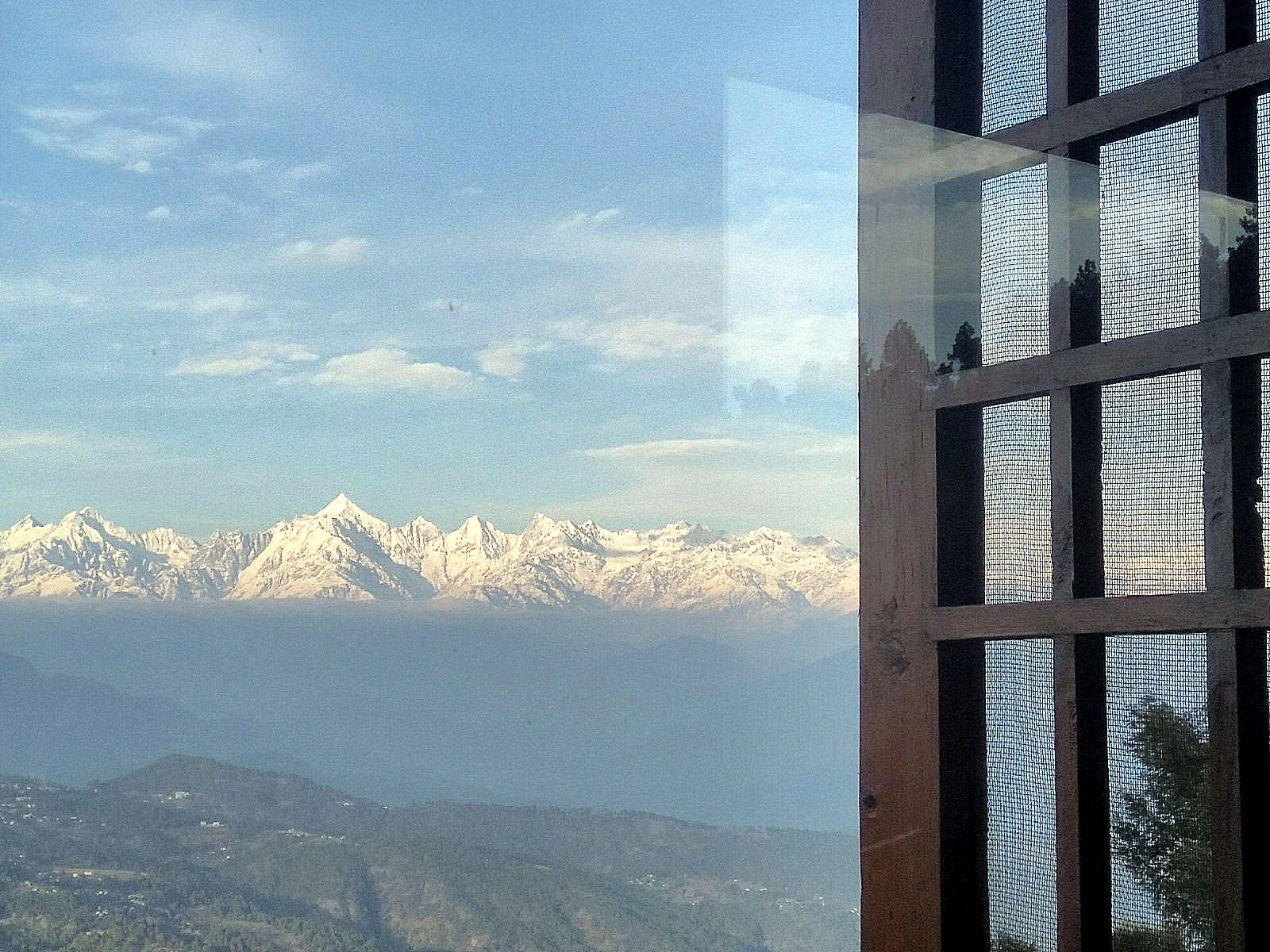
When people imagine winter in the Himalayas, they often picture snow-covered rooftops, frozen lakes and mountains wrapped in white. But winter in Kumaon tells a much richer story. It is not simply a season of cold temperatures or changing landscapes. It is a time when local traditions become more visible, kitchens grow warmer, families come together and everyday life follows a slower, more thoughtful rhythm.
In the villages of Kumaon, winter has its own character. The mornings begin with crisp mountain air, sunlight slowly reaching the hillsides and the familiar sounds of village life. Traditional meals are prepared with locally grown ingredients, woollen clothes come out of storage, and old customs continue to connect people with their land and community.
Around Jhaltola, Chaukori, Berinag and the wider Upper Kumaon region, this way of life offers travellers an opportunity to experience a side of Uttarakhand that goes beyond conventional sightseeing. It is about understanding how people live with the seasons, how food reflects the local landscape and how cultural traditions continue to shape mountain communities.
If you are planning a winter journey to Kumaon, here is a closer look at the traditions, food and everyday experiences that make the season special.
1. Winter in Kumaon Is More Than a Change in Weather
The arrival of winter changes the pace of life across the Kumaon hills. As temperatures fall, people naturally adjust their daily routines. Outdoor work is often planned around available sunlight, homes become gathering spaces and meals are prepared to suit the colder weather.
In mountain villages, the relationship between people and nature is particularly visible. The seasons influence agriculture, food habits, clothing, festivals and even the timing of everyday activities. Winter is a reminder of this connection.
Unlike a conventional holiday destination where visitors may spend most of their time moving between attractions, rural Kumaon invites you to observe. You may notice people sitting in sunny courtyards, preparing ingredients for the next meal, collecting supplies or simply enjoying conversations with neighbours.
The experience is not built around a packed itinerary. It comes from noticing the small details that make mountain living distinctive.
In places such as Jhaltola and Chaukori, the landscape provides a beautiful setting for this slower rhythm. The surrounding hills, forests and village settlements make it possible to appreciate winter not only as a scenic season but also as an important part of local life.
2. The Cultural Significance of Winter Festivals in Kumaon
Winter in Kumaon is closely connected with festivals, folk traditions and community gatherings. These celebrations are not merely occasions for entertainment. They carry stories about nature, agriculture, seasonal change, faith and the relationship between people and their surroundings.
One of the most recognisable celebrations is Ghughutiya, also known as Kale Kauva, observed around Makar Sankranti in the Kumaon region.
Ghughutiya: A Festival of Sweets, Birds and Childhood Memories
Ghughutiya is one of Kumaon's distinctive winter traditions. Families prepare small sweet delicacies called ghughute using flour and jaggery. The dough is shaped into different forms, fried and often arranged into decorative garlands.
Children traditionally wear these garlands and sing folk verses to call crows. Pieces of the sweets are offered to the birds, creating a charming connection between a family celebration and the natural world.
The tradition is especially meaningful because it brings together food, folklore, childhood memories and respect for birds. It also reflects how local customs often carry lessons about sharing and living alongside nature.
For travellers visiting Kumaon around Makar Sankranti, learning about Ghughutiya can offer a glimpse into the cultural identity of the region. It is a reminder that some of the most memorable travel experiences come from understanding traditions rather than simply photographing a destination.
Uttarayani: A Gathering of Culture and Community
Makar Sankranti is also associated with Uttarayani fairs across Kumaon. The fair at Bageshwar is particularly well known and brings together people for religious observances, local trade, cultural activities and folk performances.
Traditional songs, dances and locally made products contribute to the atmosphere. These gatherings have historically provided opportunities for communities to meet, exchange goods and maintain social connections.
For visitors, the Uttarayani tradition offers an insight into the cultural life of Kumaon beyond its mountain scenery.
Khatarua: Welcoming the Colder Season
Another seasonal tradition is Khatarua, observed in parts of Kumaon around the transition towards autumn and winter. The festival is associated with pastoral and agricultural communities. Bonfires form an important part of the celebration, symbolising the seasonal transition and the warmth of community life.
Together, these traditions show how festivals in Kumaon are closely connected with the rhythm of the natural year.
3. The Winter Kitchen: Where Local Food Tells a Story
One of the most rewarding ways to understand Kumaoni culture is through its food.
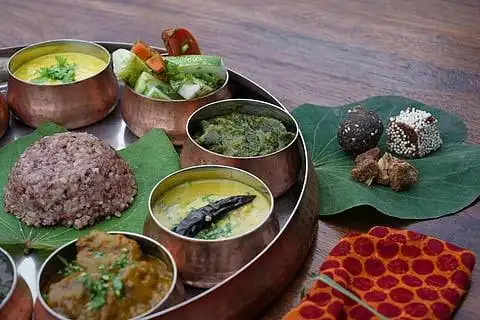
Traditional food in the hills is shaped by geography, climate, farming practices and the availability of local ingredients. Many dishes are prepared using grains, pulses and produce that have been part of mountain households for generations.
During winter, warm and nourishing meals become an important part of everyday life. A traditional Kumaoni kitchen is not simply a place where food is cooked. It is also where family members gather, recipes are passed between generations and local ingredients are transformed into familiar flavours.
Some dishes and ingredients offer a particularly interesting introduction to the food culture of the region.
Bhatt: The Local Black Soybean
Bhatt, a variety of black soybean commonly used in Kumaoni cooking, is an important ingredient in the region's traditional food culture.
One well-known preparation is Bhatt ki Churkani, a hearty dish made using black soybeans. It is commonly enjoyed with rice and is valued for its rich flavour and satisfying character.
The dish is a good example of how local ingredients become central to regional identity. Instead of relying on elaborate techniques or imported products, traditional cooking often draws its character from ingredients that are familiar to the local landscape.
Gahat: A Traditional Himalayan Pulse
Gahat, also known as horse gram, is another traditional pulse used in Uttarakhand cuisine. It appears in preparations such as dals and other regional dishes.
Its earthy flavour makes it a natural part of the mountain food repertoire. For visitors exploring Kumaoni food, trying a preparation made with gahat can be a simple way to discover an ingredient that has long been valued in local kitchens.
Mandua: The Traditional Finger Millet
Mandua, or finger millet, has an important place in the food traditions of Uttarakhand. Mandua flour is used to prepare rotis and other dishes.
Its association with traditional hill agriculture makes it more than just an ingredient. It represents the food knowledge that developed around crops suited to the region's conditions.
A freshly prepared mandua roti, served with a local vegetable preparation or dal, offers a taste of everyday mountain cooking.
Jhangora and Other Local Grains
Jhangora, a type of barnyard millet, is another grain associated with traditional food in Uttarakhand. It is used in different preparations, including savoury dishes and regional desserts.
Along with mandua and locally grown pulses, such grains reflect the diversity of traditional hill agriculture.
The Flavours That Complete a Kumaoni Meal
A traditional meal is often remembered not only for its main dish but also for its accompaniments. Local chutneys, seasonal vegetables, pulses and familiar cooking techniques bring different flavours together.
Bhang ki chutney, prepared using hemp seeds, is one example of a distinctive regional accompaniment. Its flavour adds another dimension to a traditional Kumaoni meal.
Food preferences and recipes vary from household to household, so travellers may discover different versions of familiar dishes in different parts of the region. That variety is part of the experience.
4. Sunlight, Courtyards and the Everyday Rhythm of Mountain Life
Winter in the hills changes how people use their homes and outdoor spaces.
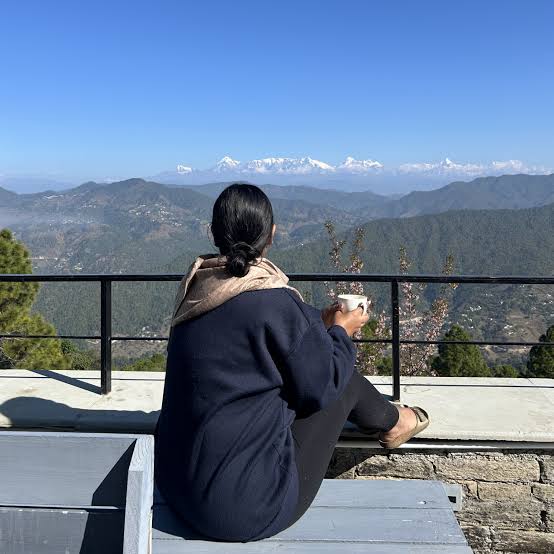
On clear days, sunlight becomes especially valuable. Courtyards, verandahs and open spaces often turn into places where people sit, talk, complete small tasks or simply enjoy the warmth of the sun.
This everyday habit reveals something important about life in the mountains: comfort is often found in simple things.
A sunny afternoon may involve a cup of tea, a conversation with family members, a little household work or time spent watching the surrounding hills. There is no need for a major event to make the day meaningful.
For visitors, these ordinary moments can become a memorable part of a winter stay. Instead of trying to fill every hour with activities, you can allow yourself time to enjoy the natural pace of the region.
In Jhaltola, the changing light across the hills and the peaceful surroundings provide a setting in which this slower rhythm feels especially rewarding.
5. Woollens, Warm Homes and Practical Mountain Wisdom
Traditional mountain living is shaped by practical knowledge developed over generations. Clothing, home arrangements and daily habits all reflect the need to adapt to colder conditions.
Warm layers are essential during winter. Woollen shawls, sweaters, caps and socks are useful because temperatures can change significantly between sunny afternoons and cold mornings or evenings.
Homes are also arranged around comfort and the available warmth. People make the most of sunlight during the day and prepare for colder conditions after sunset.
For travellers, this offers a useful lesson: experiencing winter in Kumaon is more enjoyable when you prepare for the season rather than expecting the weather to remain comfortable throughout the day.
Carry layers that can be added or removed, keep warm footwear handy and plan outdoor activities around daylight. A little preparation makes it easier to appreciate the surroundings without discomfort.
6. The Connection Between Mountain Communities and Nature
Life in Kumaon has always been closely connected with the surrounding environment. Forests, fields, water sources, local crops and seasonal changes influence how communities organise their lives.
This relationship can be seen in traditional food, agricultural practices and local festivals. It can also be seen in the way people observe the landscape.
For example, the changing availability of crops influences what is cooked at home. Seasonal conditions affect outdoor work. Local celebrations often reflect agricultural cycles or changes in the natural year.
This connection is one of the reasons why rural Kumaon offers a different kind of travel experience.
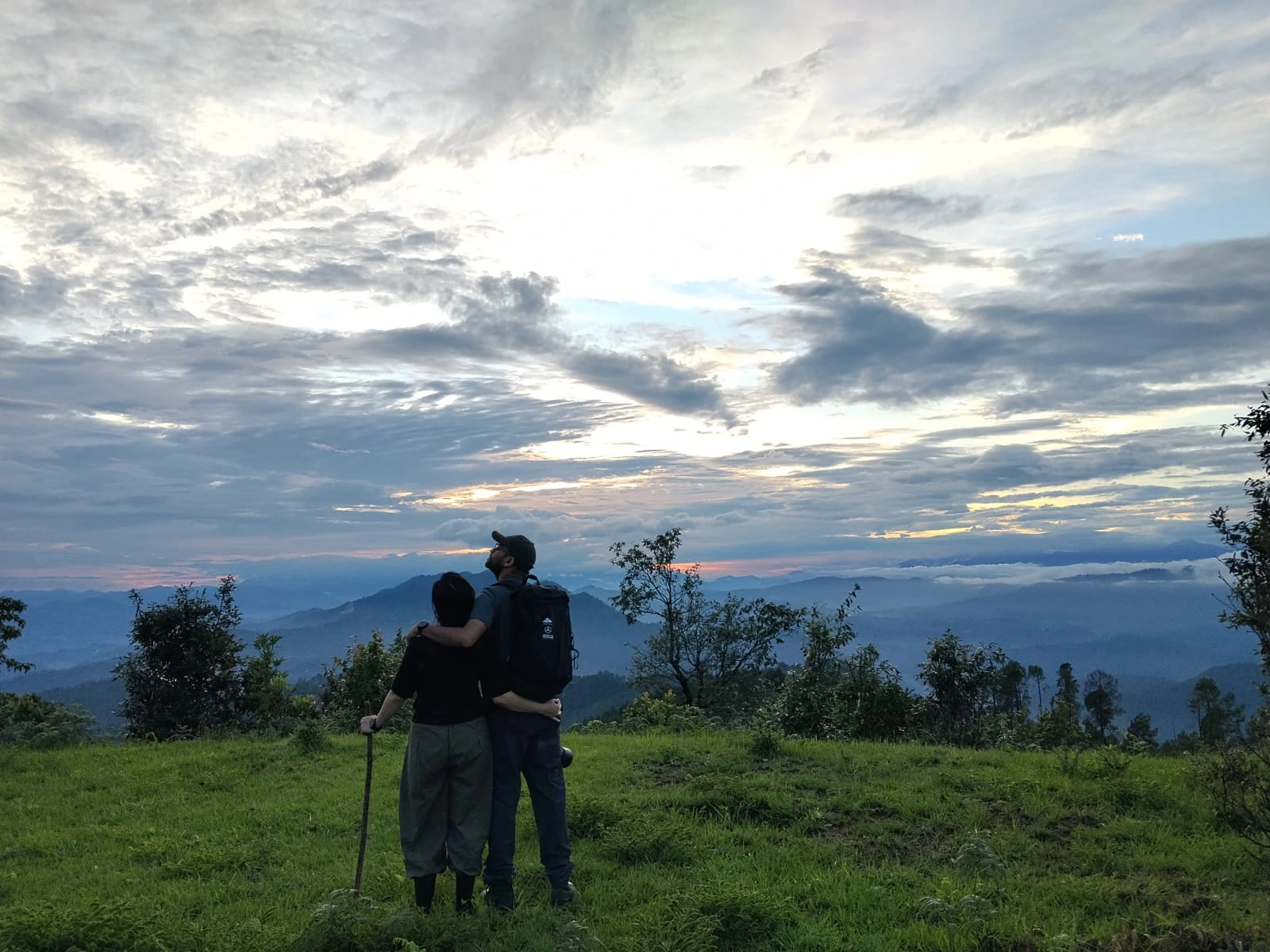
Visitors who take time to understand the region may begin to notice details that are easy to overlook during a hurried trip: the variety of trees along a village path, the way sunlight moves across a hillside, the ingredients used in a local meal or the stories associated with a seasonal celebration.
These small observations help create a deeper appreciation of the place.
7. Exploring the Cultural Landscape Around Jhaltola
Jhaltola is a wonderful base for travellers who want to explore the quieter side of Upper Kumaon. Located in the Pithoragarh region of Uttarakhand, it offers access to a landscape shaped by mountain villages, forests, traditional food habits and local cultural practices.
Nearby destinations such as Chaukori, Berinag, Gangolihat and Patal Bhuvaneshwar each have their own character. While these places are known for their landscapes and cultural or spiritual significance, the journey between them can also reveal the everyday life of the region.
A visit to a local market, a conversation about regional food or an opportunity to learn about a festival can add meaning to a journey.
Rather than treating every stop as a checklist item, consider giving yourself time to experience the places along the way.
Chaukori
Chaukori is known for its mountain setting, tea gardens and views of the Himalayan ranges. During winter, clear conditions can offer beautiful views, although visibility always depends on the weather.
It is a good place to enjoy a relaxed day, take photographs and experience the quieter side of the Kumaon hills.
Berinag
Berinag is another destination in Upper Kumaon with a distinct local character. The surrounding landscape and settlements offer opportunities to understand the region beyond its more widely known tourist centres.
Gangolihat and Patal Bhuvaneshwar
Gangolihat and Patal Bhuvaneshwar are associated with important religious and cultural traditions. Visitors interested in the spiritual heritage of Kumaon can include them in a wider regional journey.
When planning winter travel, check road and local conditions in advance, particularly if your route includes smaller mountain roads.
8. What Travellers Can Learn from a Kumaoni Winter
A winter journey through Kumaon can be more meaningful when approached with curiosity and respect.
Here are a few ways to experience the region more thoughtfully:
Learn about local festivals. If your visit coincides with Ghughutiya or Uttarayani, take time to understand the stories and customs associated with the celebrations.
Try regional food. Ask about local ingredients and traditional preparations. A meal can tell you a great deal about the landscape and agricultural history of a place.
Support local communities. Choose locally run services where possible, purchase authentic local products and treat cultural experiences with respect.
Slow down your itinerary. Avoid planning too many destinations in a short period. Give yourself time to enjoy the surroundings and understand the character of each place.
Be prepared for the weather. Winter conditions vary across elevations and locations. Carry warm clothing and check local travel updates before setting out.
Respect local customs. Ask before photographing people, homes or religious activities. Remember that traditions are part of everyday life, not performances arranged for visitors.
9. Staying in Jhaltola: Experiencing the Quieter Side of Winter
For travellers who want to experience the cultural and natural character of Upper Kumaon, choosing the right place to stay is an important part of the journey.
A peaceful mountain stay gives you time to enjoy the landscape without constantly moving between destinations. It allows you to wake up to fresh mountain air, spend time outdoors when the weather permits and return to a warm, comfortable space after exploring the region.
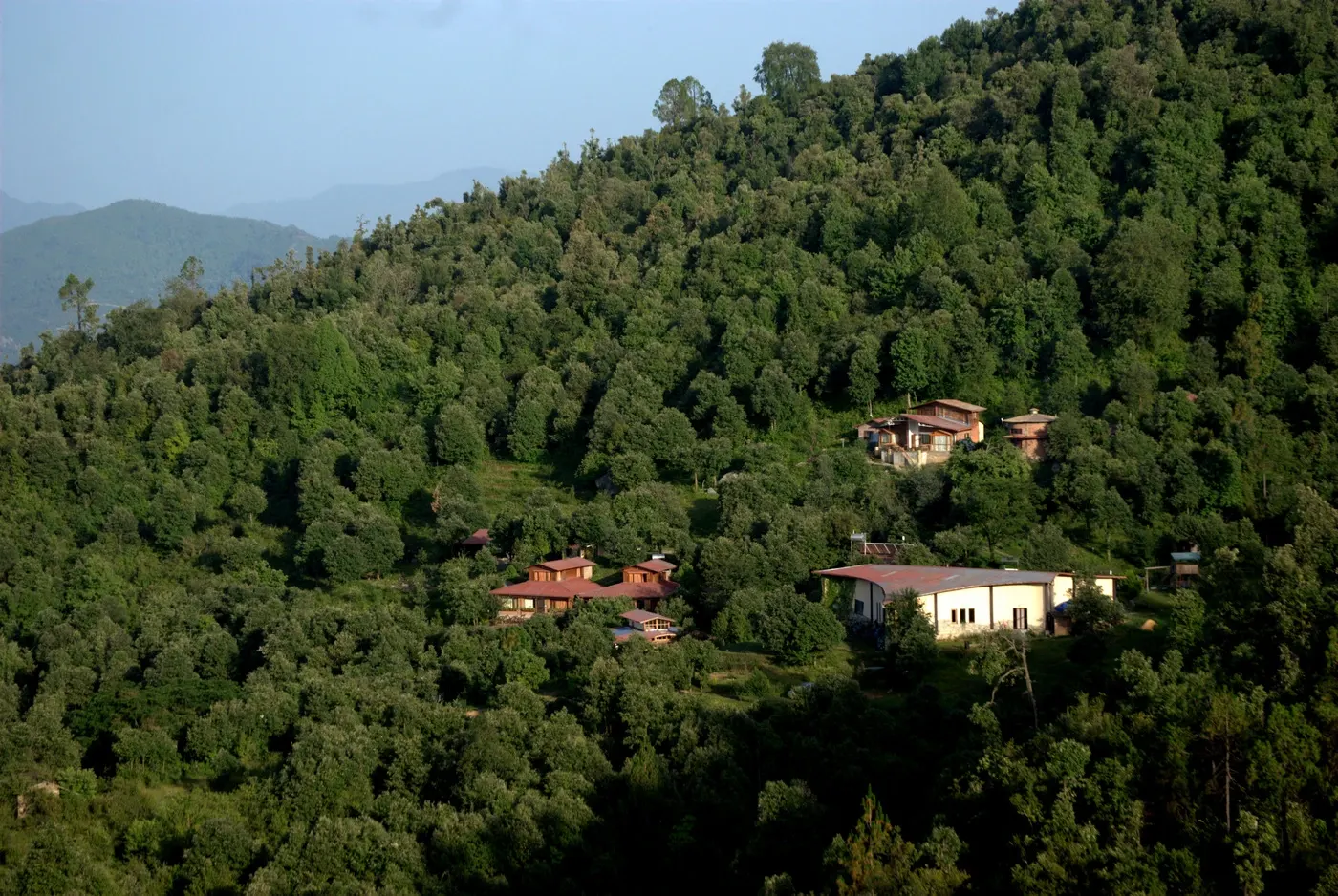
Misty Mountains Jhaltola offers a setting for travellers looking to experience the quieter side of Kumaon. Surrounded by a large forest landscape, the property provides an opportunity to step away from busy town routines and spend time closer to nature.
A winter stay here can be about simple experiences: enjoying the mountain atmosphere, spending unhurried time with family or friends, discovering local flavours and exploring nearby parts of Upper Kumaon.
The appeal is not limited to a particular weather condition. Even without snowfall, winter has its own charm through crisp mornings, changing light, peaceful surroundings and the cultural life of the region.
If you are planning a visit, check the property's current availability, facilities and seasonal arrangements before confirming your stay.
10. Planning Your Winter Visit to Kumaon
A little planning can make your winter trip more comfortable and enjoyable.
Choose your travel dates carefully. December, January and February bring colder conditions to many parts of the Kumaon hills. The exact experience varies with altitude and local weather.
Pack for changing temperatures. Carry thermal layers, sweaters, a warm jacket, socks, gloves and comfortable shoes. Sunglasses and sunscreen can also be useful during bright afternoons.
Allow enough travel time. Mountain roads require careful driving and journeys can take longer than expected. Avoid planning tight connections between destinations.
Check road conditions. Weather can affect road travel, particularly during periods of heavy rain, frost or snowfall at higher elevations. Confirm local conditions before departure.
Keep your plans flexible. A relaxed itinerary allows you to enjoy a sunny afternoon, spend more time at a cultural stop or adjust your plans if the weather changes.
Travel responsibly. Avoid littering, respect local communities, conserve water and support businesses that contribute positively to the region.
11. Discover the Kumaon That Lives Beyond the Postcard
The beauty of Kumaon is often described through its mountains, forests and scenic viewpoints. But the region's deeper identity is found in its people, traditions, food and everyday ways of life.
Winter brings these elements together in a special way. It is reflected in the sweets prepared for Ghughutiya, the gatherings around Uttarayani, the use of traditional grains and pulses, the warmth of a sunny courtyard and the practical wisdom of mountain households.
These experiences may not always appear on a conventional tourist itinerary, but they can become some of the most meaningful memories of a journey.
For travellers who want to discover more than the familiar image of a Himalayan holiday, a winter visit to Upper Kumaon offers an opportunity to connect with the region at a gentler pace.
And when you spend time in a place like Jhaltola, you begin to understand that the real charm of a Kumaoni winter is not only in what you see. It is also in what you learn, taste, hear and experience along the way.
Discover the quieter side of the Himalayas with Misty Mountains Jhaltola, and experience a Kumaoni winter beyond the snow.